Puma Posts Loss of 80-Year High, How Does Anta Rescue It
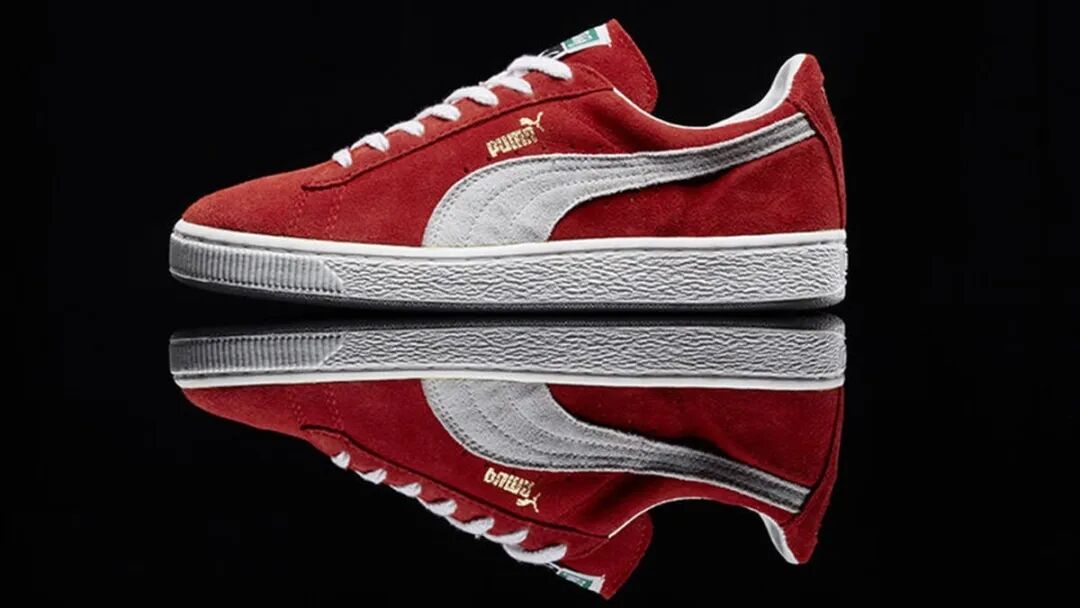
Source: Picture-Alliance
For sportswear manufacturer PUMA, 2025 has been a nightmare year. The company suffered its worst-ever loss, and its performance is expected to remain unprofitable throughout 2026. In 2025, PUMA’s revenue declined 13.1% year-on-year to €7.296 billion, with declines across all global markets and product lines. Its annual net loss amounted to €645.5 million—the largest in the company’s nearly 80-year history. PUMA announced the cancellation of its annual dividend and projected continued full-year losses in 2026. The company plans to adopt the business model of Chinese sportswear giant Anta Sports—the new majority shareholder—to achieve a rapid turnaround. German sportswear and lifestyle group PUMA was acquired by Chinese enterprise Anta Sports, becoming its largest shareholder, in late January.
Puma has defined 2025 as the "reset" year, and 2026 as the "transition" year. Puma expects revenue to continue to decline by low to mid-single digits this year. In the worst case, Puma's revenue could shrink to about 6.9 billion euros, while competitors such as New Balance, Skechers, and Lululemon all expect revenue growth.
Puma's Key Financial Data for Fiscal Year 2025:
2025 fiscal year revenue decreased by 13.1%, from 8.398 billion euros to 7.296 billion euros.
Revenue declined across all regions and all categories in FY2025.
Sales in the first half of 2025 were largely stable, but saw a noticeable decline in the second half, mainly due to the strategic adjustments initiated in the third quarter.
Net loss of €645.5 million for fiscal year 2025, compared to a profit of €281.6 million in 2024.
In fiscal year 2025, operating profit was a loss of €357.2 million, compared to a profit of €548.7 million in 2024. Operating loss for 2026 is projected to range between €50 million and €150 million.
Gross profit for fiscal year 2025 remains positive but declines by 17.9% year-on-year. Gross margin falls by 260 basis points to 45%.
The company stated that increased promotions in the wholesale channel, inventory reservations, an unfavorable product mix, and currency factors have brought pressure, but the optimization of the channel structure partially offset the negative impact. In addition, the decline in procurement costs, including tariffs, fully offset the adverse impact of US tariffs.
Revenue by region declined in fiscal year 2025.
Europe, Middle East and Africa (EMEA): down 9.6% to €3.143 billion
Americas: down 17.9%, to 2.558 billion euros
Asia: down 11.7% to €1.595 billion
Revenue by category declined in fiscal year 2025
Footwear: down 13.1% to €4.114 billion
Apparel: down 13.9% to €2.328 billion
Accessories: down 11.1%, to 854 million euros
Puma CEO Arthur Hoeld said at the earnings conference: "2025 is the year of adjustment and reset. Our goal is to make Puma one of the top three global sports brands again, to restore growth above the industry average, and to achieve solid profitability in the medium term." He also emphasized that Puma must reduce over-commercialization, and instead focus on competitive products, appealing brand narratives, and precise channel layouts. "Puma has become too commercialized, with excessive exposure in the wrong channels, too many discounts, and these mistakes have damaged the company's brand image."
Currently, Puma is expanding its direct business, focusing on its own stores and online sales. As part of the restructuring plan, the company announced in March 2025 a reduction of 500 employees, with an additional 900 layoffs by the end of 2026. This means that by the end of this year, Puma will cut 1,400 jobs, which is about one-fifth of its total workforce. Due to its lack of experience in direct business, Puma will rely on Anta Sports. Currently, the Greater China region accounts for only 7% of Puma's sales. Anta stated that after the completion of the share acquisition, it will increase this proportion.
After the announcement of the acquisition of Puma in January, Ding Shizhong, chairman of Anta Group, immediately stated, "25 years ago, foreign brands in the Chinese market were seen as unattainable. But today, Chinese brands have stood on equal footing with foreign brands."
By acquiring and integrating multiple brands across different price points and categories, Anta has grown into the world's third-largest sports goods company, just behind Nike and Adidas. Anta has infused its direct sales, product development, and supply chain management capabilities into its various brands to expand its business in the Chinese market. In 2024, the proportion of Anta's brand wholesale business has dropped to below 10%. The direct sales model makes it easier to adjust production based on sales data and to develop products that better meet consumer needs.
Arthur Hoeld stated at the Thursday press conference: “We welcome Anta as a strategic partner to support our growth. In the long term, the opportunities brought by Anta are highly encouraging—not only in the Chinese market but also in other global markets.”
In addition to thoroughly reforming its sales model, Puma's revival also requires creating hit products. The new products from the popular Speedcat series launched in 2025 have performed poorly so far. Arthur Hoeld admitted: "We recognize that the launch strategy of Speedcat last year and our expectation of global success did not meet the targets. However, some adjustment measures, such as rebalancing discounts and promotional policies, have indeed helped Speedcat, and they have given us confidence."
Puma’s net debt stood at €1.064 billion at the end of 2025, compared to just €119.8 million one year earlier. Puma’s Chief Financial Officer, Markus Neubrand, stated: “Given the elevated debt level, we are de-leveraging, which is a top priority, with the goal of reducing debt over the coming years.”
Puma is trying to reclaim the third position globally, but the gap between Puma and the second-place Adidas (24.8 billion euros in revenue) has become so large that it seems almost impossible to catch up, let alone surpass it, not to mention compared to Nike with 41 billion euros in revenue. Puma's current direct competitors, New Balance, Skechers, and Lululemon, have already surpassed Puma.
- New Balance: Revenue increased by 19% year-on-year to approximately €850 million.
- Skechers: Revenue to increase to approximately 8.6 billion euros in 2024
- Lululemon: Known for its yoga apparel, has now expanded into running and training shoes, achieving a record revenue of approximately €10.1 billion in 2025.
Arthur Hoeld said that Puma is currently undergoing "channel cleanup": repurchasing products from low-end wholesalers and shifting sales to channels such as its own factory stores. This is a painful adjustment aimed at moving Puma from a low-cost image to a premium positioning. The new brand, products, and marketing approach will take full effect in 2027, when the spring/summer and autumn/winter collections will be officially launched. Arthur Hoeld is also tightening and cleaning up in other areas: starting from the second quarter of 2026, the European sales model will be reorganized, merging seven regions into three (Central Europe, Northern Europe, Southern Europe).
Puma will focus on football, handball, F1, and Hyrox. Arthur Hoeld stated that sport is the core focus this year. The major sports year of 2026 gives Puma a favorable start.
- Africa Cup of Nations Final: Both Morocco and Senegal are sponsored by Puma
European Handball Championship Final: Both Germany and Denmark are sponsored by Puma.
- Starting from January, the McLaren team is added, becoming the second F1 team in cooperation (cooperated with Ferrari since 2005)
Arthur Hoeld called Anta's acquisition a "strategic investment," which he found exciting, but he also acknowledged it might have a short-term negative impact on Puma's Asia and China operations. Because Anta fully adopts a direct-to-retail model in the domestic market, while one-third of Puma's business in China relies on franchisees and wholesalers. Arthur Hoeld hinted that the new major shareholder Anta might push a direct-to-retail strategy for Puma in China in the future. Although he stated that "Puma products will still be available to wholesale customers in China in 2026," he did not reveal how the channel would be adjusted in the medium to long term. Regardless, Puma has already started a "channel cleanup" in China: in the fourth quarter, Puma's revenue in the Chinese market fell by 15.5%.
Arthur Hoeld's plan for Puma.
Shed the image of being low-priced and cheap
- Focus on core sports categories
Expand direct-operated business to absorb high inventory.
- Prevent dealers from selling products at low prices to clear inventory
- Streamline product line
【Copyright and Disclaimer】The above information is collected and organized by PlastMatch. The copyright belongs to the original author. This article is reprinted for the purpose of providing more information, and it does not imply that PlastMatch endorses the views expressed in the article or guarantees its accuracy. If there are any errors in the source attribution or if your legitimate rights have been infringed, please contact us, and we will promptly correct or remove the content. If other media, websites, or individuals use the aforementioned content, they must clearly indicate the original source and origin of the work and assume legal responsibility on their own.
Most Popular
-
Supply Extremely Tight! LG Chem Declares Force Majeure on Export Contracts for Di-Octyl Terephthalate (DOTP)
-
Huntsman Introduces “War Surcharge” Amid Shipping Disruption and Soaring Energy Costs, Global MDI Prices Continue to Rise
-
Deadly Impact: Hormuz Strait Blockade Sparks Shortage of Plastic Raw Materials, Threatening Shutdowns at Japanese and Korean Chemical Plants
-

LG Chem Declares Force Majeure on DOTP Exports! SABIC Joins Five Giants to Redefine EV Safety
-
Tao Lin: Tesla’s Supercharger Stations in China Surpass 2,500