On Opens Robot-Powered Factory in South Korea, Producing Around 1,000 Premium Running Shoes Daily
Swiss sportswear manufacturer On Holding AG (On) has announced the opening of a robotic factory in South Korea to produce high-end running shoes, with plans to add more robotic factories in the US and Europe to accelerate production and delivery.
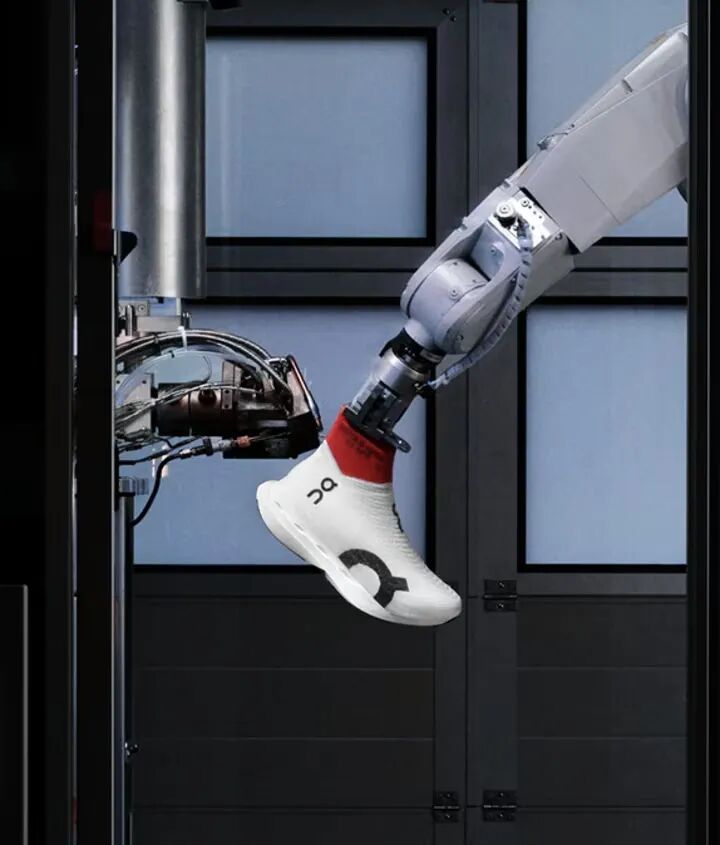
The company stated in its announcement that the new factory is located near Busan and is equipped internally with 32 fully automated robots dedicated to producing uppers for athletic footwear. This initiative will increase On’s robotic production capacity by 30 times. The Busan factory has a daily production capacity of approximately 1,000 pairs, and its spraying process compresses the traditional upper manufacturing—previously requiring collaboration across multiple factories and a total of 200 steps—into a single automated process.
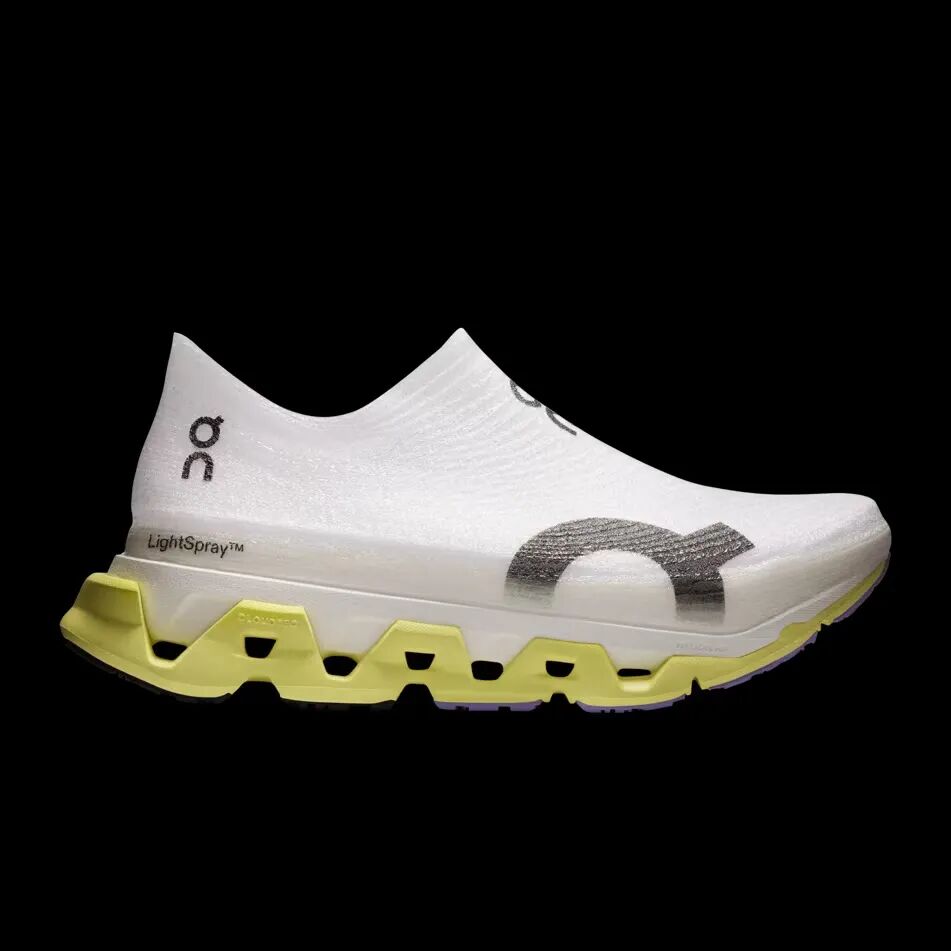
Currently, On has four robots utilizing its high-performance shoe upper spray-weaving technology, LightSpray, at its headquarters in Zurich, Switzerland.
According to the latest annual report, 90% of On's footwear is currently supplied by third-party manufacturers in Vietnam, with the remaining 10% coming from Indonesia.
Selecting Busan for the new factory is to leverage South Korea's strengths in robotics and automation, while also relying on the company's existing business and cooperative relationships in the area. The company stated that after perfecting the production process in Busan, it plans to roll out shoes made using LightSpray technology in various locations across the Americas and Europe over the next few years.
On Co-Founder Caspar Coppetti said during a factory visit: "We have learned a lot of new technologies and have brought in top experts that many other sports brands cannot match. This production model can be almost plug-and-play anywhere in the world."
"Whether in Zurich or Busan, we are able to precisely program each robot, creating a unique appearance and feel for every pair of shoes through standardized operations," said Scott Maguire, Chief Innovation Officer and Chief Operating Officer.
The long-term prosperity of the sports and outdoor lifestyle has driven the rise of high-performance footwear brands such as On, Salomon, and Hoka. However, global athletic footwear manufacturing has long relied heavily on production capacity in China and Southeast Asia, posing numerous challenges: factory shutdowns during the COVID-19 pandemic, strained shipping logistics, and U.S. tariff disputes—issues that have persistently plagued industry development. These risks are now prompting some retailers and brands to explore “nearshoring”—relocating production facilities closer to end consumers.
Caspar Coppetti stated that, compared to the traditional footwear manufacturing model—which relies on shipping finished shoes from factories in Southeast Asia and China to consumers in Europe and the U.S.—automation enables brands to produce footwear faster and with reduced environmental impact, while locating production capacity closer to their core markets. “Speed to market, sustainability, and the fact that low-cost labor regions are essentially saturated—these factors all support automated production and relocating capacity nearer to consumers.”
Over the past decade, bolstered by Swiss tennis legend Roger Federer, On has risen rapidly in the running shoe market with its signature "Cloud" sole with holes, minimalist upper design, and innovative cushioning technology, expanding into tennis shoes and athletic apparel.
Currently, On's design and R&D core remains centered in Zurich. The company launched its LightSpray technology for the first time in 2024 and activated four robotic production lines in this Swiss city last year.
In traditional footwear production, uppers are typically assembled from dozens of components stitched and bonded together across multiple factories; in contrast, LightSpray technology enables seamless, one-piece molding, creating an upper that fits like a sock. On Labs’ proprietary robotic arm secures an On outsole last—pre-manufactured using conventional methods—and rotates it at a constant speed while a spray gun deposits approximately 1.5 kilometers of specialized filament in about three minutes to form a high-performance, lightweight upper. Another robot then handles surface finishing and coloring. The resulting running shoe is lightweight, durable, anatomically conforming, and laceless—designed for effortless slip-on wear.
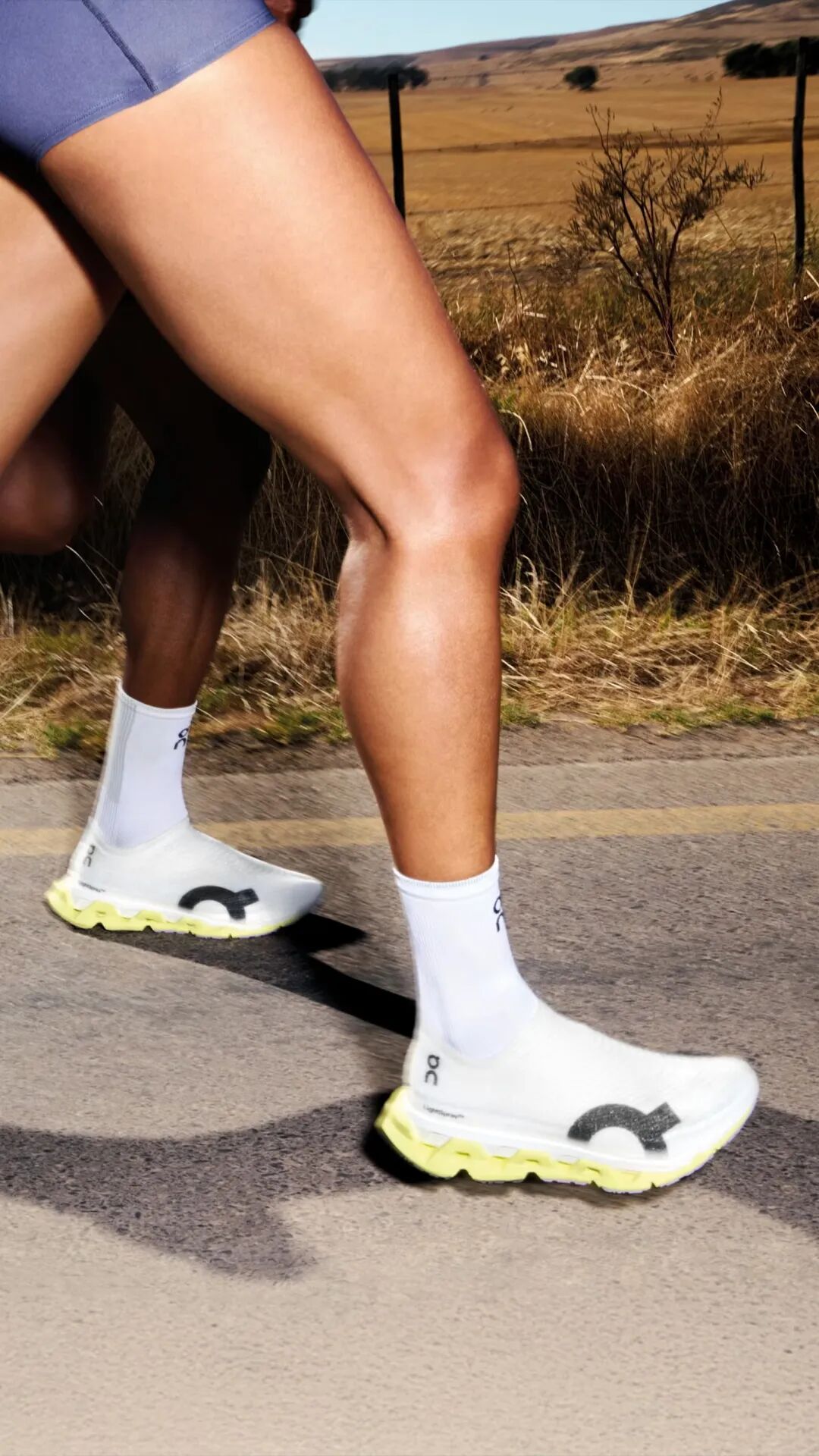
On currently produces the LightSpray Cloudboom Strike running shoes in small batches, priced at $330, intended for professional and advanced runners, and has gained attention in major events. For example, Kenyan athlete Hellen Obiri won the 2024 Boston Marathon wearing On LightSpray running shoes and broke the course record at the New York Marathon in November of the same year.
The Korean factory is currently producing the On Cloudmonster 3 Hyper running shoes (pictured below), targeting a broader range of everyday runners. The On management has long believed that LightSpray technology will eventually drive growth and profit, and this is the first time the company has scaled up its mass production.
The new shoe model’s insole will feature the label “Sprayed in Korea.” It will be released in a limited edition on March 5 and will launch globally starting April 16. The company is currently considering applying the LightSpray technology to non-running shoe categories and plans to introduce additional new products this year.
【Copyright and Disclaimer】The above information is collected and organized by PlastMatch. The copyright belongs to the original author. This article is reprinted for the purpose of providing more information, and it does not imply that PlastMatch endorses the views expressed in the article or guarantees its accuracy. If there are any errors in the source attribution or if your legitimate rights have been infringed, please contact us, and we will promptly correct or remove the content. If other media, websites, or individuals use the aforementioned content, they must clearly indicate the original source and origin of the work and assume legal responsibility on their own.
Most Popular
-
Supply Extremely Tight! LG Chem Declares Force Majeure on Export Contracts for Di-Octyl Terephthalate (DOTP)
-
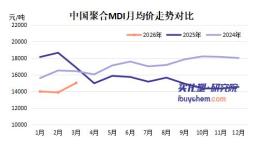
Huntsman Introduces “War Surcharge” Amid Shipping Disruption and Soaring Energy Costs, Global MDI Prices Continue to Rise
-
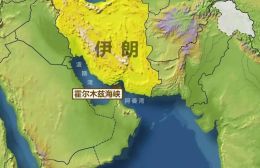
Deadly Impact: Hormuz Strait Blockade Sparks Shortage of Plastic Raw Materials, Threatening Shutdowns at Japanese and Korean Chemical Plants
-

LG Chem Declares Force Majeure on DOTP Exports! SABIC Joins Five Giants to Redefine EV Safety
-

Tao Lin: Tesla’s Supercharger Stations in China Surpass 2,500