Middle East Tensions Escalate, Sparking Titanium Dioxide Price Hikes; Why Are Chinese Firms Following Suit?
Recently, the escalating geopolitical conflicts in the Middle East have had a significant impact on global energy, shipping, and chemical industry chains. Titanium dioxide, as a high-energy-consuming and highly import-dependent bulk chemical product, is facing pressure from costs, supply, and exports. Domestic companies have frequently issued price increase notices, initiating a new round of industry-wide price hikes. This article, based on the transmission logic of the international situation, outlines the current price increases and briefly analyzes the market impact.
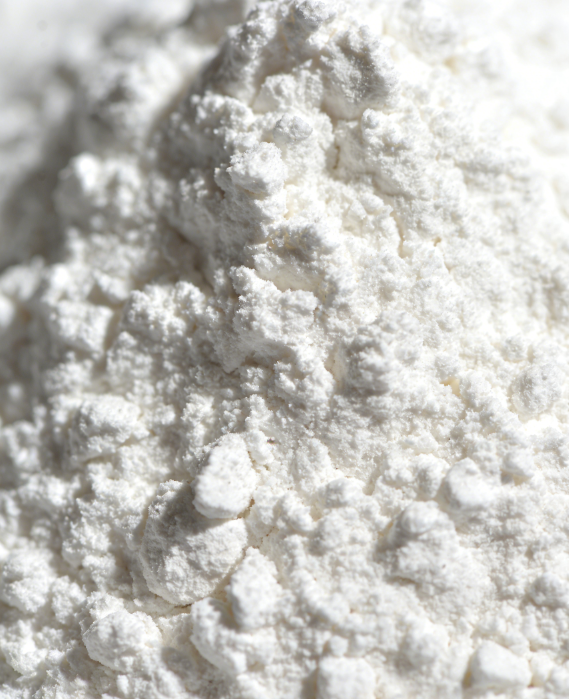
Image: Doubaobao
Conflict Transmission: Three Pressures Force Up the Price of Titanium Dioxide
The Middle East conflict does not directly affect the supply and demand of titanium dioxide, but rather transmits gradually to the domestic market through three core channels: energy, raw materials, and shipping, forming a rigid price increase momentum.
First, energy costs are "under upward pressure." The energy consumption for titanium dioxide production is extremely high, and the prices of crude oil and natural gas are directly related to the costs of electricity, steam, and auxiliary materials such as sulfuric acid and sulfur. After the conflict intensified, international energy prices increased significantly, directly leading to a passive increase in the production costs of titanium dioxide in China, continuously compressing profit margins.
Secondly, the raw material shipping is "doubly impeded." China's dependence on titanium ore imports is relatively high, with some supplies needing to pass through key Middle Eastern shipping lanes. The conflict has led to a decline in shipping efficiency and an extension of delivery times, not only increasing the cost of titanium ore arrivals but also doubling the export logistics costs, further exacerbating the burden on enterprises.
Third, there is "coordinated price increases" in export markets. China exports a substantial volume of titanium dioxide annually, with Europe, the Middle East, and Southeast Asia being key target markets. Geopolitical conflicts have introduced uncertainty in both demand and logistics, while synchronized price hikes by international titanium dioxide producers have created room for domestic companies to adjust their export prices, establishing a coordinated pricing dynamic between domestic and overseas markets.
Price Increase Panorama: Industry Leaders Lead the Way, with the Entire Industry Following Suit
Starting from late February 2026, China’s titanium dioxide industry initiated a coordinated price increase, characterized by “leadership from industry leaders, synchronized timing, and comprehensive coverage across all product categories,” representing a collective response to external pressures.
The price increase this time is highly uniform, with domestic prices rising by RMB 500 per tonne across the board and export prices increasing by USD 80–100 per tonne, covering the full range of both sulfate-process and chloride-process products. Yibin Tianyuan Haifeng Hetai and Shandong Xianghai Titanium Resources were the first to announce price hikes, followed closely by major producers such as Lomon Billions, CITIC Titanium, Huiyun Titanium, and Anada, creating an industry-wide coordinated effort to support higher prices.
Global markets are moving in tandem, with multinational companies such as Chemours, Tronox, and Kronos simultaneously raising titanium dioxide prices in the Asia-Pacific and Middle East regions, further supporting domestic price increases and preventing Chinese producers from losing competitiveness in overseas markets after implementing price hikes.
Market Impact: Short-term Relief, Long-term Return to Fundamentals
The current round of price increases has impacted China's titanium dioxide industry and its upstream and downstream sectors, characterized by "short-term pressure relief and a long-term return to rationality."
For domestic titanium dioxide companies, the most direct effect of a price increase is to alleviate profit pressure. Against the backdrop of rising raw material, energy, and transportation costs, price adjustments help to improve the overall gross margin of the industry. Among these, large-scale, well-integrated, and high self-sufficiency in titanium ore, the leading enterprises, show more significant profit elasticity.
For downstream industries, the pressure will gradually be transmitted. Titanium dioxide, as a core raw material for the paint, plastic, paper, and ink industries, its price increase will directly raise the cost for downstream companies. In the short term, the paint and plastic industries will face certain operational challenges, and some companies may adjust their end-product prices appropriately.
From the export perspective, following international market price hikes can both offset the erosion of profits caused by high shipping costs and avoid low-price competition, thereby maintaining a reasonable global pricing level for China’s titanium dioxide; however, attention must be paid to the risk of prolonged conflict suppressing global demand.
Outlook: Geopolitical disruptions dominate in the near term; supply and demand fundamentals matter in the long run.
In the short term, there are no clear signs of easing in the Middle East situation, and pressures on energy and shipping remain, making it highly likely that titanium dioxide prices will continue to trend upward. If the situation gradually eases, cost support will weaken, diminishing the upward momentum of prices, and the market will revert to fundamental supply-demand dynamics.
In the medium to long term, the development of China’s titanium dioxide industry hinges primarily on optimization of production capacity structure, increased proportion of chloride-process production, recovery of downstream demand, and enforcement of environmental regulations; geopolitical conflicts are merely short-term disruptions. This recent round of coordinated price increases reflects domestic enterprises’ maturity in responding to external risks and also accelerates industrial upgrading across the value chain. Going forward, enterprises with core competitive advantages will possess stronger resilience against risks.
【Copyright and Disclaimer】This article is the property of PlastMatch. For business cooperation, media interviews, article reprints, or suggestions, please call the PlastMatch customer service hotline at +86-18030158354 or via email at service@zhuansushijie.com. The information and data provided by PlastMatch are for reference only and do not constitute direct advice for client decision-making. Any decisions made by clients based on such information and data, and all resulting direct or indirect losses and legal consequences, shall be borne by the clients themselves and are unrelated to PlastMatch. Unauthorized reprinting is strictly prohibited.
Most Popular
-
Supply Extremely Tight! LG Chem Declares Force Majeure on Export Contracts for Di-Octyl Terephthalate (DOTP)
-
Huntsman Introduces “War Surcharge” Amid Shipping Disruption and Soaring Energy Costs, Global MDI Prices Continue to Rise
-
Middle East Tensions Escalate Sharply: How Polyolefins Respond Amid Soaring Risk Premium
-
Deadly Impact: Hormuz Strait Blockade Sparks Shortage of Plastic Raw Materials, Threatening Shutdowns at Japanese and Korean Chemical Plants
-

LG Chem Declares Force Majeure on DOTP Exports! SABIC Joins Five Giants to Redefine EV Safety