



Iran situation uncertain in short term, boosting prices of epoxy resin, titanium dioxide, and tdi
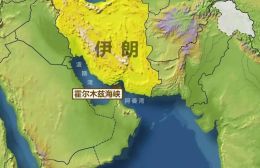
Israel launched a “preemptive” strike against Iran, prompting Iran to immediately retaliate, thereby escalating the Middle East situation dramatically. As the global energy transportation “chokepoint,” the Strait of Hormuz was declared closed by Iran, banning all commercial vessel passage. This move directly triggered severe volatility in the international crude oil market, causing prices to surge sharply. Energy, as the lifeblood of the chemical industry, saw its price spike rapidly transmitted upstream along the industrial chain, prompting a coordinated price hike for key chemical products—including epoxy resin, MDI, TDI, and titanium dioxide.
The chemical industry, as a core sector in the upstream of the industrial chain, has become the "hardest hit area" in this round of price increases. Unlike the sporadic price adjustments by individual companies in the past, this round of price increases is characterized by "giant-led, full-category coverage, and simultaneous domestic and international adjustments." Domestic and international chemical giants have successively issued price adjustment notices, all pointing to the unbearable pressure of production costs. Even as industry leaders, under the cumulative pressure of multiple factors, they are unable to absorb the cost increases alone, making collective price hikes a reluctant but necessary action.
Looking at specific categories, the prices of core chemical products are rising rapidly, with leading companies playing a particularly prominent role in driving up prices. Giants such as Dow, Wanhua, and Lomon announced price increases.
TDI, a key raw material for the coatings and polyurethane industries, has entered a period of concentrated positive catalysts since March. Due to global plant maintenance, force majeure events, and geopolitical tensions in the Middle East, nearly one million tons of short-term capacity has been constrained, intensifying market expectations of tight supply. Leading domestic TDI producers have promptly signaled price hikes, with March list prices surging by RMB 2,000 per ton month-on-month, alongside implementing strict supply controls. Growing reluctance among sellers to offer material has further fueled price increases.
The surge in titanium dioxide prices has spread simultaneously, with major domestic manufacturers such as Tianyuan, Xianghai, CNOOC, Guotai, Longbai, and Titan issuing notices to raise prices after the holiday, with a unified domestic increase of 500 yuan per ton, and an international increase of 100-150 dollars per ton. International chemical giant Chemours has also made early arrangements, announcing that starting from April 1, 2026, it will raise prices for all grades of titanium dioxide in the Asia-Pacific region by 150 dollars per metric ton, further consolidating the upward trend in the titanium dioxide market.
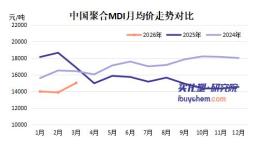
The MDI market price increase shows the characteristics of "staged advancement and global." On February 17, Huntsman took the lead by announcing a price increase of $260 per ton for MDI products and $110 per ton for polyether products in the U.S. market, effective immediately. Eight days later, BASF quickly followed suit, raising the price of MDI products in the ASEAN region by $200 per ton. On March 1, Covestro added fuel to the fire, further increasing the price of MDI series products in the North American region by approximately $220 per ton on top of previous adjustments. The consecutive price hikes by these three giants have pushed global MDI prices to continue climbing. Note: The term "" was translated as "global" because it seems to be a specific term or concept that might not have a direct English equivalent. If you'd like it to be translated differently, please let me know.
The epoxy resin market has also been affected, with major domestic enterprises—including Nantong Xingchen, Jiangsu Yangnong, and Anhui Hengxing—raising their quotations by RMB 200–500 per ton. Currently, the ex-factory price of liquid E-51 epoxy resin (water-free basis) stands at RMB 15,100–15,400 per ton, while that of solid E-12 epoxy resin ranges from RMB 14,000–14,300 per ton. Enterprises are exhibiting strong reluctance to sell, and low-priced supplies are scarce in the market, further intensifying the supply shortage.
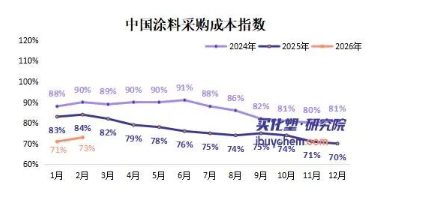
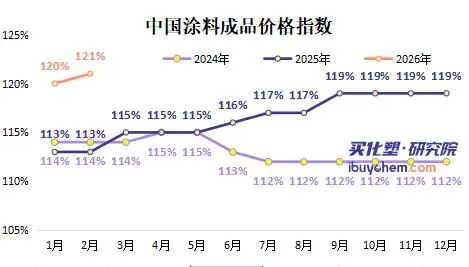
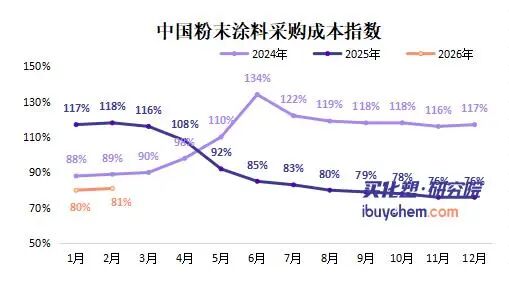
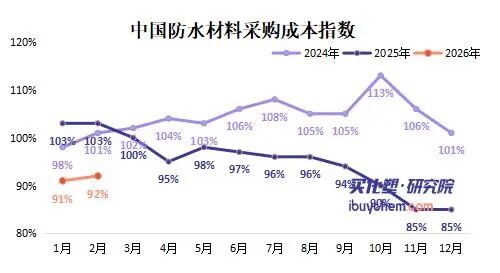
The collective price increase of chemical raw materials has been directly passed on to downstream industries such as coatings, powder coatings, and waterproofing materials.BuyHuaSuAccording to data from the research institute, the coating procurement cost index for February 2026 stood at 73%, up 2 percentage points month-on-month; the coating finished-product price index was 121%, up 1 percentage point month-on-month and 8 percentage points year-on-year, indicating that cost pressures cannot be fully passed on to downstream customers, thereby squeezing industry profit margins. Procurement costs for powder coatings and waterproofing materials also rose concurrently: the powder coating procurement cost index for February reached 81%, with raw materials—including PTA and neopentyl glycol—rising across the board; notably, TMP prices surged by over 25%. The waterproofing material procurement cost index stood at 92%, with core raw materials such as asphalt and SBS posting month-on-month price increases.
This round of price increases is directly and fundamentally driven by rising costs. The chemical industry is highly dependent on energy and core raw materials. Surging international oil prices, rising environmental protection costs, and rigid growth in labor costs, combined with continued increases in the prices of core raw materials such as MDI and TDI, have caused production costs to far exceed normal levels. At the same time, global capacity reductions and plant maintenance have led to a supply-demand pattern characterized by "tight supply and rigid demand," further supporting price increases. Meanwhile, the Iran-Israel conflict has triggered a crisis in the Strait of Hormuz, intensifying the uncertainty in energy supply and acting as an "accelerator" for the price surge. Looking ahead, if the situation in the Middle East does not ease, international oil prices are likely to remain high, and the trend of price increases in the chemical industry may continue to spread.
【Copyright and Disclaimer】The above information is collected and organized by PlastMatch. The copyright belongs to the original author. This article is reprinted for the purpose of providing more information, and it does not imply that PlastMatch endorses the views expressed in the article or guarantees its accuracy. If there are any errors in the source attribution or if your legitimate rights have been infringed, please contact us, and we will promptly correct or remove the content. If other media, websites, or individuals use the aforementioned content, they must clearly indicate the original source and origin of the work and assume legal responsibility on their own.
Most Popular
-
Supply Extremely Tight! LG Chem Declares Force Majeure on Export Contracts for Di-Octyl Terephthalate (DOTP)
-
Huntsman Introduces “War Surcharge” Amid Shipping Disruption and Soaring Energy Costs, Global MDI Prices Continue to Rise
-
Middle East Tensions Escalate Sharply: How Polyolefins Respond Amid Soaring Risk Premium
-
Deadly Impact: Hormuz Strait Blockade Sparks Shortage of Plastic Raw Materials, Threatening Shutdowns at Japanese and Korean Chemical Plants
-

LG Chem Declares Force Majeure on DOTP Exports! SABIC Joins Five Giants to Redefine EV Safety


