



Good News! EU Cancels Tariffs on Some Goods and Halts Imposition of Carbon Tariffs
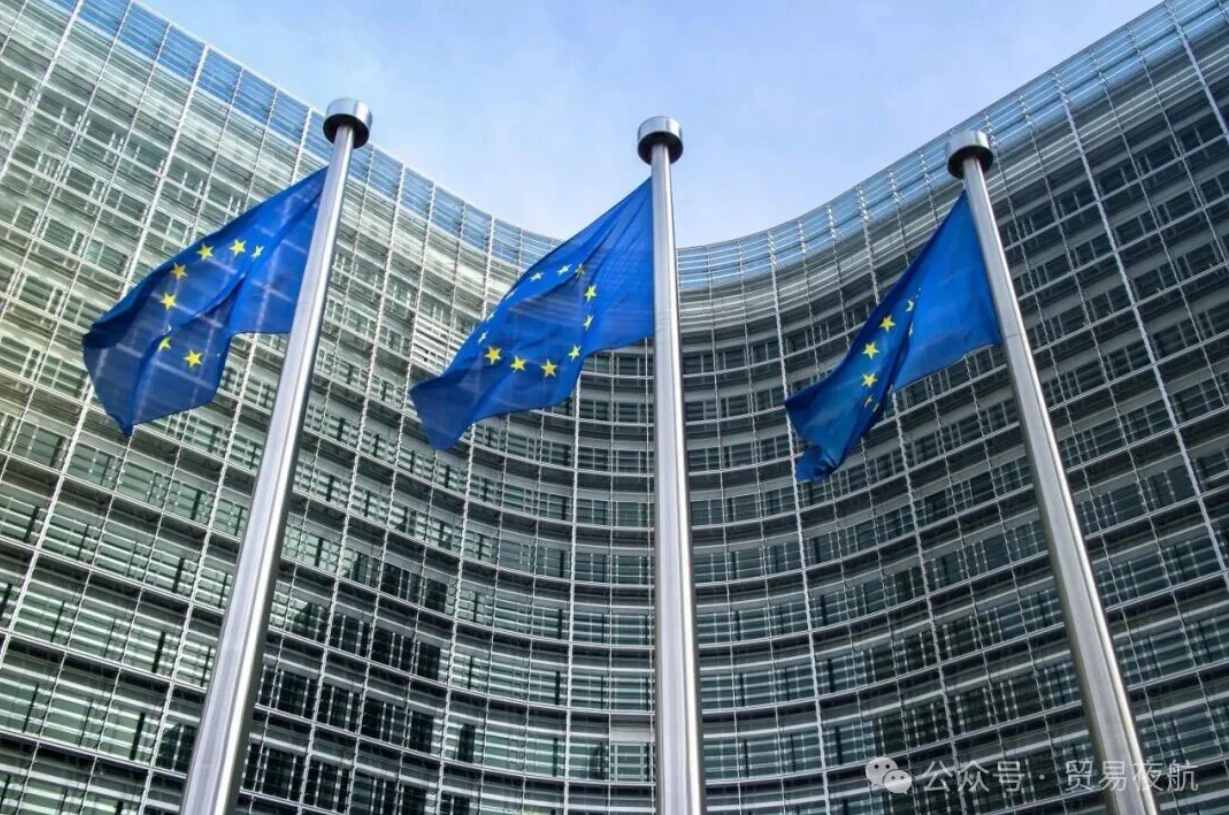
Just now, the EU announced the release of two trade favorable measures.
First, temporarily suspend the imposition of carbon tariffs on certain products.The EU Trade Commissioner stated that the European Commission will issue guidance allowing for the temporary suspension of carbon tariffs on certain goods, with fertilizers (such as urea and ammonia) being the main focus. This suspension will be retroactively effective from January 1, 2026, aiming for a direct exemption from the carbon tariff component rather than a simple reduction. This pause is temporary, intended to address the EU agricultural crisis, such as farmers protesting high fertilizer prices.
The second is to suspend the collection of tariffs.The EU Trade Commissioner stated that the EU will suspend tariffs on nitrogen fertilizers (HS code 3102, including urea).6.5% tariffAmmonia (HS Code 2814)5.5% tariffThe suspension is intended to further reduce import costs and ensure the measures are more effective.
This package of measures aims to fully offset the additional costs brought by the EU Carbon Border Adjustment Mechanism (CBAM) and alleviate the pressure on European farmers facing fertilizer price increases. The EU relies on fertilizer imports, and this decision is seen as a temporary relief for the agricultural sector.
The EU carbon tariff, officially known as the Carbon Border Adjustment Mechanism (CBAM), is a mechanism that will come into effect on January 1, 2026. It imposes a carbon tax on certain high-carbon emission goods imported into the EU.
The implementation phase officially begins on January 1, 2026. During the previous transition period (2023-2025), companies are primarily required to submit emission data.Carbon tariffs must be actually paid starting from 2026.。
Importers need to purchase CBAM certificates based on the carbon emissions of their products, with the certificate price linked to the EU carbon market quota price.The EU carbon price is relatively high (approximately 80-100 euros/ton), and companies need to bear additional costs, which squeezes their profit margins.。
Currently coveredSteel, aluminum, cement, fertilizer, electricity, hydrogen.High-emission industries plan to expand to approximately 180 types of steel and aluminum-intensive downstream products, such as machinery, automotive parts, and home appliances, starting from 2028.
【Copyright and Disclaimer】The above information is collected and organized by PlastMatch. The copyright belongs to the original author. This article is reprinted for the purpose of providing more information, and it does not imply that PlastMatch endorses the views expressed in the article or guarantees its accuracy. If there are any errors in the source attribution or if your legitimate rights have been infringed, please contact us, and we will promptly correct or remove the content. If other media, websites, or individuals use the aforementioned content, they must clearly indicate the original source and origin of the work and assume legal responsibility on their own.
Most Popular
-
Supply Extremely Tight! LG Chem Declares Force Majeure on Export Contracts for Di-Octyl Terephthalate (DOTP)
-
Deadly Impact: Hormuz Strait Blockade Sparks Shortage of Plastic Raw Materials, Threatening Shutdowns at Japanese and Korean Chemical Plants
-
Huntsman Introduces “War Surcharge” Amid Shipping Disruption and Soaring Energy Costs, Global MDI Prices Continue to Rise
-
Catl “wins big”: Beyond Batteries, What Else Can It Sell?
-
Tao Lin: Tesla’s Supercharger Stations in China Surpass 2,500


