Electric Vehicle Battery Demand Slows As Volkswagen Enters Energy Storage Business
According to foreign media, on March 9, Volkswagen Group launched its first large-scale energy storage facility in Salzgitter, Germany. The project is part of Volkswagen's energy subsidiary Elli, with a storage capacity that can meet the electricity needs of about 20,000 households for nearly 2 hours. Due to global electric vehicle demand falling short of expectations, Volkswagen Group is expanding its battery business from electric vehicles to large-scale energy storage and energy trading.
The energy storage facility can be directly connected to the grid and will participate in power trading on the European Power Exchange (EPEX SPOT). The battery cells used are supplied by PowerCo, Volkswagen Group's in-house battery company.
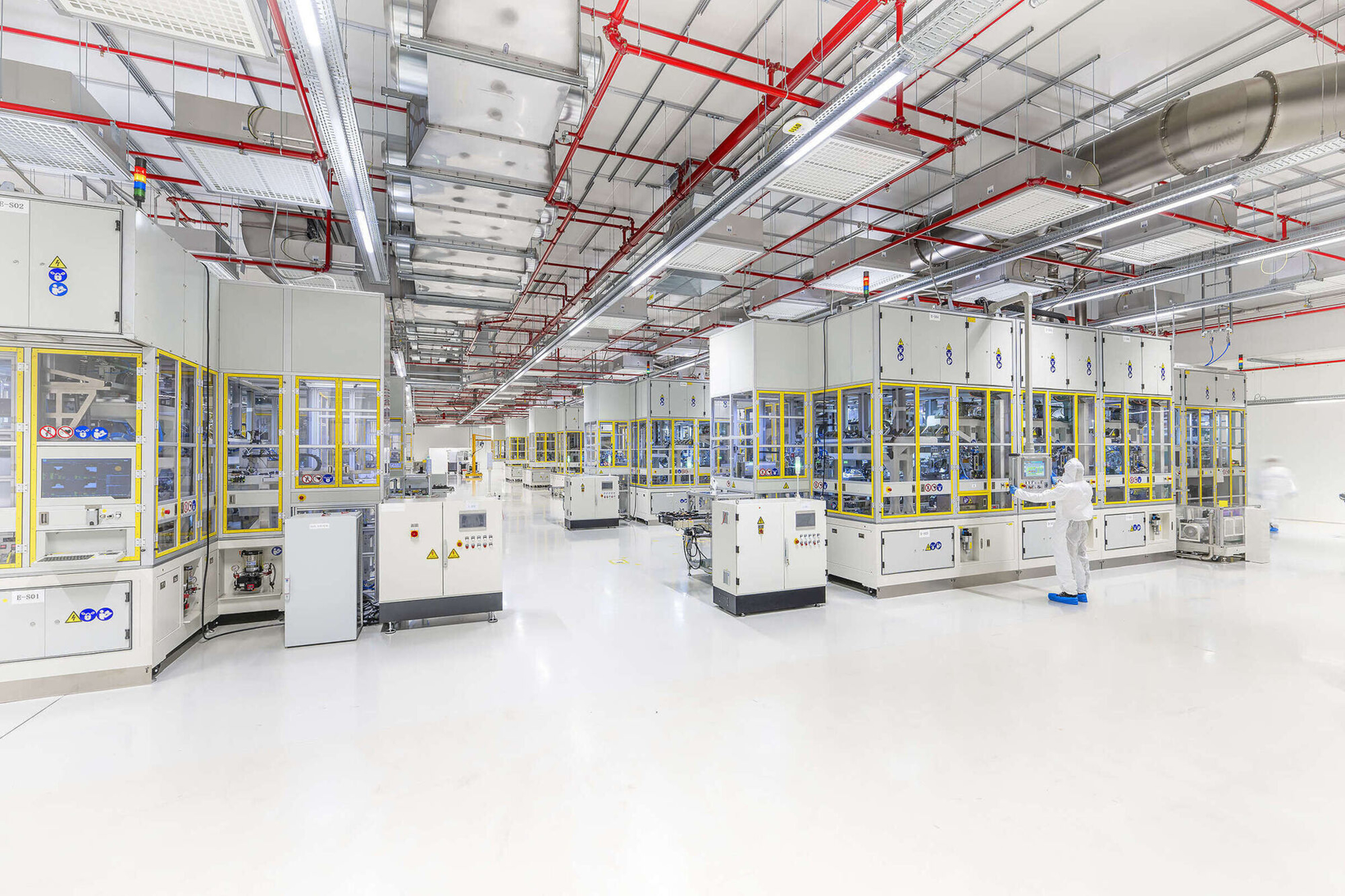
PowerCo battery factory; Image source: Volkswagen
By integrating battery manufacturing, stationary energy storage, and digital energy trading within the same facility, Volkswagen Group aims to create a closed-loop battery ecosystem in Salzgitter. Applying battery technology to grid services and energy trading can alleviate the financial pressure on PowerCo, while also supporting Germany's transition to renewable energy. This timing is particularly significant as Middle East tensions drive up oil and gas prices, highlighting the strategic value of energy storage.
Against the backdrop of price cuts by major Chinese battery manufacturers and a slowdown in the growth rate of electric vehicle (EV) sales, Volkswagen Group is actively seeking new revenue growth drivers for its battery business. The company previously set a target to produce batteries annually capable of powering approximately 3 million EVs by 2030—a goal established under more optimistic EV industry growth projections. Currently, however, EV adoption is decelerating, while the surge of power-hungry data centers—driven by the rise of artificial intelligence—and the continuous grid integration of renewable energy power plants have spurred robust demand for energy storage batteries. Volkswagen CEO Oliver Blume stated: “Energy storage and energy trading represent a new strategic business area with strong growth potential.”
Volkswagen's battery company, PowerCo, was founded in 2022 and had planned to build up to seven electric vehicle battery plants. As the electrification transition in the European automotive industry falls short of industry expectations, PowerCo has now halved the annual production capacity of its Salzgitter battery plant to 20 GWh.
Although PowerCo still maintains its long-term capacity planning for a total of 200 GWh across its three factories in Germany, Spain, and Canada, company executives have acknowledged that the pace of expansion will depend on the development of the electric vehicle market. Additionally, Volkswagen previously reduced its overall investment plan and indicated that PowerCo may seek external funding for mid-term financing.
【Copyright and Disclaimer】The above information is collected and organized by PlastMatch. The copyright belongs to the original author. This article is reprinted for the purpose of providing more information, and it does not imply that PlastMatch endorses the views expressed in the article or guarantees its accuracy. If there are any errors in the source attribution or if your legitimate rights have been infringed, please contact us, and we will promptly correct or remove the content. If other media, websites, or individuals use the aforementioned content, they must clearly indicate the original source and origin of the work and assume legal responsibility on their own.
Most Popular
-

Supply Extremely Tight! LG Chem Declares Force Majeure on Export Contracts for Di-Octyl Terephthalate (DOTP)
-
Huntsman Introduces “War Surcharge” Amid Shipping Disruption and Soaring Energy Costs, Global MDI Prices Continue to Rise
-

Deadly Impact: Hormuz Strait Blockade Sparks Shortage of Plastic Raw Materials, Threatening Shutdowns at Japanese and Korean Chemical Plants
-

LG Chem Declares Force Majeure on DOTP Exports! SABIC Joins Five Giants to Redefine EV Safety
-
Tao Lin: Tesla’s Supercharger Stations in China Surpass 2,500