



Breaking the Cycle of "Low Price, Low Quality": A Guide to Overcoming Challenges in the Anti-Static Masterbatch Industry
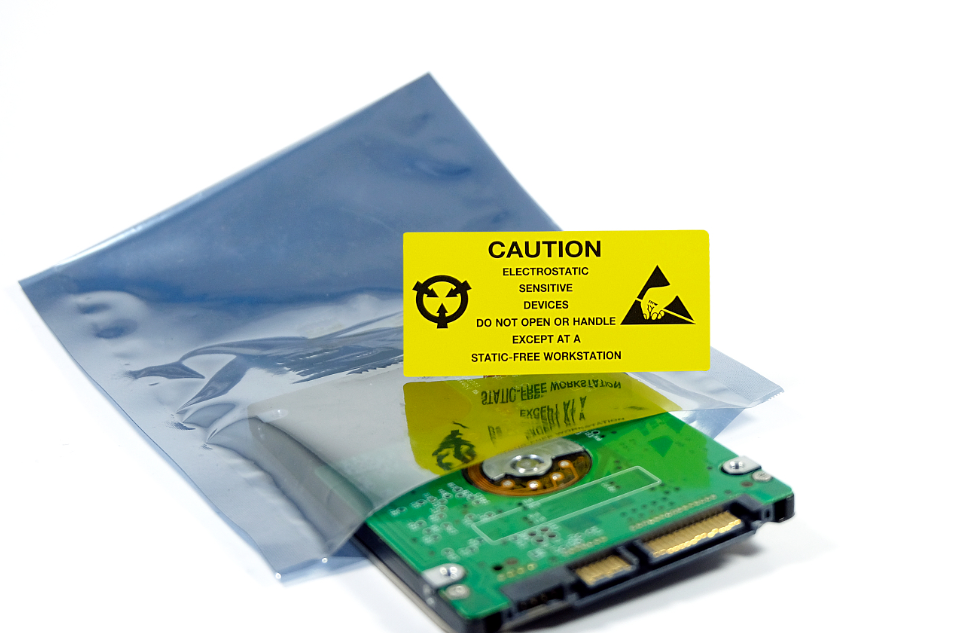
Electrostatic charge accumulation leads to production losses, quality defects, and safety hazards, making antistatic masterbatch an essential functional material in modern industry. It is widely used in precision manufacturing, high-end protection, and other scenarios, forming a differentiated product system.
The current industry landscape exhibits a pattern of "low-end saturation and high-end gap," with the mid-to-low end dominated by low-cost, short-acting products. The high-end, however, sees a rising demand for long-acting, high-performance products, continuously driving the industry towards a technology-driven transformation.
Technical Analysis
The core of antistatic masterbatch is to construct charge dissipation channels through formulation design, and performance differences stem from the differences in material composition and charge conduction mechanisms. It mainly consists of carrier resin, antistatic functional components, and auxiliary additives. The selection of functional components is the most crucial, directly determining product positioning and adaptability to subsequent application scenarios.
They can be classified into two categories based on their conduction mechanism: migratory (short-acting) and permanent (long-acting). Migratory types are based on small molecules such as quaternary ammonium salts and polyethylene glycol, with carrier resins like PE and PP. They dissipate static electricity by forming a conductive film through component migration. They are low-cost but humidity-dependent and prone to exudation, with a lifespan of only 6-18 months. Permanent types use high-molecular-weight conductive components or nano-powders, combined with special additives to build a stable conductive network. They do not rely on humidity and offer long-lasting performance, but require extremely high dispersion and processing technology.
Current Status
Based on the above two types of technologies, antistatic masterbatches have gradually covered various industrial scenarios such as plastics, textiles, new energy, and electronic components.
In the plastics field, packaging film represents the largest volume and most concentrated demand scenario, with the core challenge being to solve film adhesion and surface dust accumulation issues, and to adapt to high-speed packaging line operations. PE and PP general packaging films often choose low-cost migratory masterbatches to meet basic protection needs; high-end packaging for electronics, dangerous goods, etc., requires high protection stability and relies on permanent masterbatches to ensure performance. In specialty plastic parts such as mining pipe and appliance liners, it can also provide anti-fouling properties, helping plastic products adapt to more specialized scenarios.
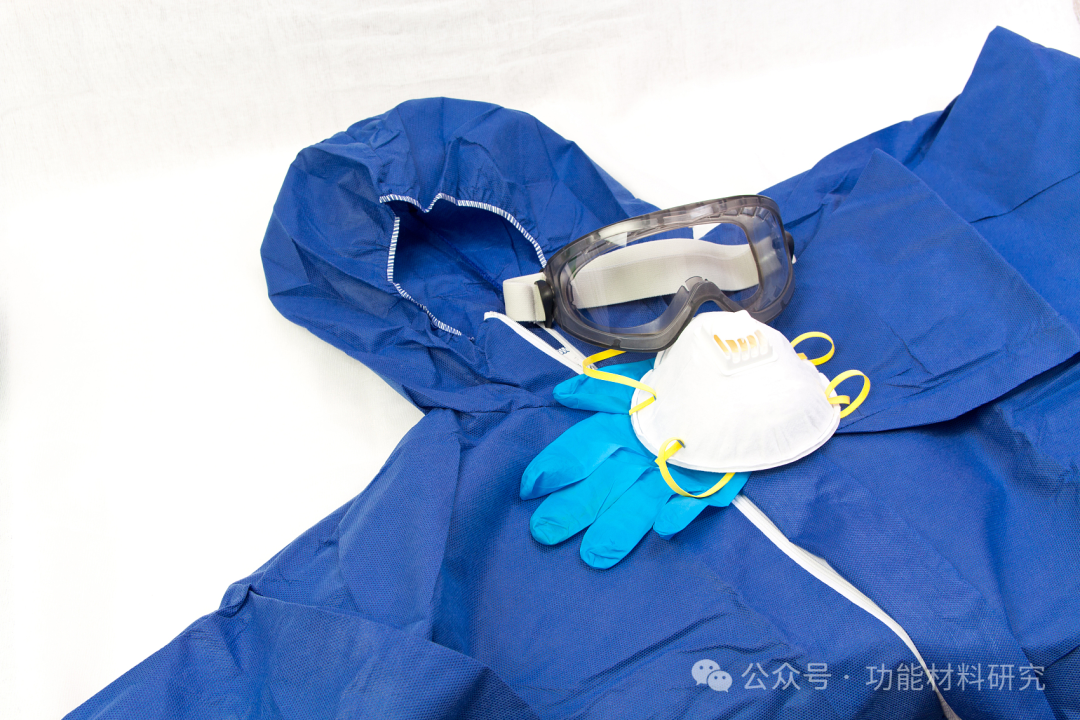
In the textile field, applications focus on functional fibers and fabric modification, with antistatic and clean protective needs as the core. Antistatic workwear is a typical scenario, achieving long-lasting static conductivity by adding masterbatches to the fibers, avoiding the risk of static electricity accumulation and dust adsorption on the human body. High-end applications use nano-composite permanent masterbatches, balancing performance and fiber hand feel. In the home textile sector, it replaces traditional finishing processes to solve the problem of poor wash resistance. In outdoor clothing, it inhibits triboelectric charging and improves wearing comfort.
Industry Pain Points
Despite the mature application of antistatic masterbatches across various fields, multiple unresolved pain points persist within the industry when aligned with actual scenario requirements, directly constraining the process of high-quality development.
First, the performance stability is insufficient. Migratory masterbatches show reduced efficacy in low-humidity environments and decompose easily at high temperatures. Permanent masterbatches are affected by powder agglomeration, leading to significant performance fluctuations and potential product defects. Additionally, they exhibit antagonistic effects with flame retardants, making it difficult to achieve multiple performance targets simultaneously.
Second, there's an imbalance between cost and performance. High-performance masterbatches cost 2-5 times more than migratory ones, making them unaffordable for small and medium-sized enterprises (SMEs). However, if they try to cut costs by using inferior raw materials or reducing the amount added, the protective performance will fail to meet standards, creating a vicious cycle of "low price, low quality."
Third, environmental compliance pressures are prominent. Traditional antistatic agents containing heavy metals or high VOCs are restricted by international standards. Scenarios such as food and medical care have stringent environmental requirements, and these types of masterbatches are difficult to adapt to the application needs of biodegradable substrates.
Fourth, there is a reliance on imports for high-end technologies. Core technologies are monopolized by foreign companies in the long term, and domestic enterprises mainly focus on imitation. The localization rate of high-end products is low, which restricts the improvement of the independent and controllable capabilities of the industrial chain.
In the future, with the upgrading of demands in high-end manufacturing, new energy, and other fields, the technical threshold of antistatic masterbatch will continue to rise. Balancing the three core elements of performance, environmental protection, and cost will become the key to breaking through the industry's development bottleneck.
【Copyright and Disclaimer】The above information is collected and organized by PlastMatch. The copyright belongs to the original author. This article is reprinted for the purpose of providing more information, and it does not imply that PlastMatch endorses the views expressed in the article or guarantees its accuracy. If there are any errors in the source attribution or if your legitimate rights have been infringed, please contact us, and we will promptly correct or remove the content. If other media, websites, or individuals use the aforementioned content, they must clearly indicate the original source and origin of the work and assume legal responsibility on their own.
Most Popular
-
Key Players: The 10 Most Critical Publicly Listed Companies in Solid-State Battery Raw Materials
-

Vioneo Abandons €1.5 Billion Antwerp Project, First Commercial Green Polyolefin Plant Relocates to China
-
EU Changes ELV Regulation Again: Recycled Plastic Content Dispute and Exclusion of Bio-Based Plastics
-
Clariant's CATOFIN™ Catalyst and CLARITY™ Platform Drive Dual-Engine Performance
-

List Released! Mexico Announces 50% Tariff On 1,371 China Product Categories

