



Attention Exporting to the European Union (EU)! High Tariffs on Cars and Parts, Home Appliances, Gardening Tools, and More Will Be Subject to Carbon Tariff Regulations
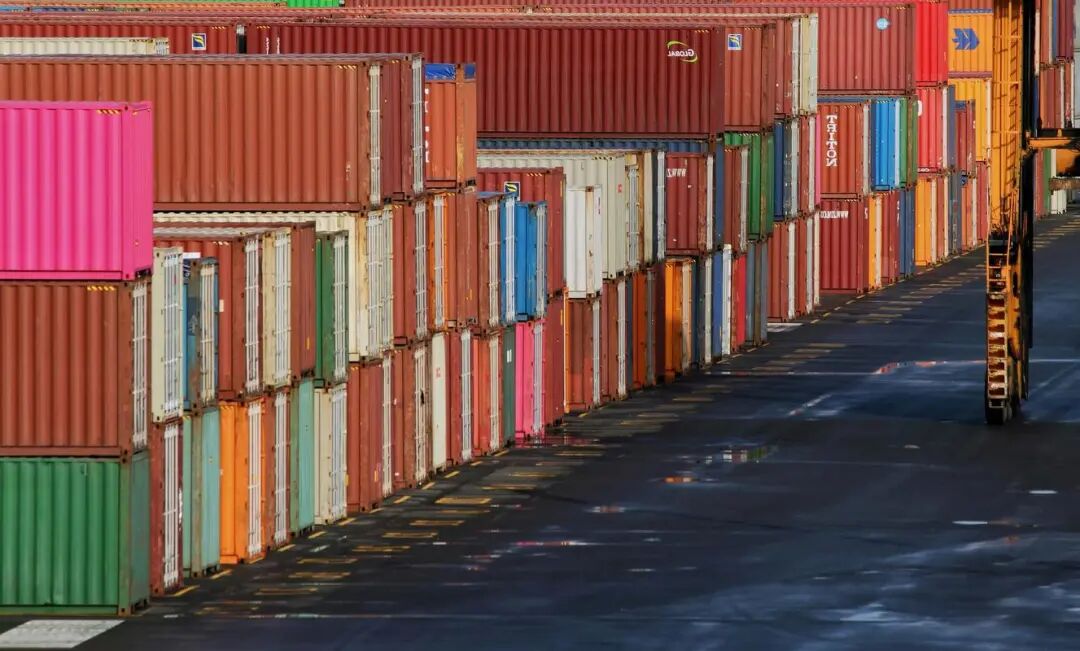
According to the latest news from the European Commission, the EU will further expand the scope of the carbon tax, extending it to certain assembled products such as cars and parts, washing machines, kitchen appliances, gardening tools, and other assembled finished products. These products will be taxed based on the carbon emissions generated during their production process. This means that in the future, exporting these products to the EU will incur high taxes.
On December 17, 2025, the European Commission officially published a draft proposal aimed at expanding the scope of carbon tariffs, primarily targeting downstream products of high-carbon raw materials currently covered, such as those intensive in steel and aluminium, i.e., finished products that have undergone further processing.
The EU carbon tariff currently covers six high carbon emission industries, all of which involve raw materials/semi-finished products, namely: steel, aluminum, cement, fertilizers, hydrogen, and electricity. This draft proposal extends the scope of the carbon tariff to downstream products of steel/aluminum, namely finished/assembled products.
The following are standard products explicitly mentioned in the draft or based on assessments that will be subject to carbon tariffs upon importation into the European Union:
⚠️ Automobiles and Parts: For products with more than 50% aluminum alloy/steel, including complete vehicles, car doors, body frames, engine components, etc.
⚠️ Home Appliances: For products with steel/aluminum casing and components >30%, including washing machines, refrigerators, etc.
⚠️ Kitchen Appliances: For products with steel/aluminum casing and components >30%, including ovens, microwaves, etc.
⚠️ Gardening Tools: For products with steel/aluminum components >20%, such as lawnmowers, etc.
⚠️ Other steel derivatives: including screws/bolts/rivets, etc.
The core of the draft is to expand the collection of carbon tariffs to downstream assembly/final products, focusing on tackling the "downstream assembly" loophole, where companies export high-carbon raw materials (such as steel and aluminum) to third countries for assembly into finished products (such as cars and washing machines) and then import them into the EU to avoid taxes. The draft proposes anti-avoidance measures, including monitoring supply chains, requiring full-chain emission disclosures, and directly imposing carbon tariff fees on finished products.
The EU carbon tariff, officially known as the Carbon Border Adjustment Mechanism (CBAM), aims to prevent "carbon leakage" (where businesses shift high-carbon production to regions outside the EU) and protect the competitiveness of domestic industries within the EU by levying carbon emission charges on high carbon-intensive products imported into the EU.
The core mechanism of the carbon tariff is that importers (usually trading companies) must declare the carbon dioxide emissions from the production process of imported products to the EU authorities. If the emissions exceed European standards, they must purchase "emission certificates" at the EU's carbon price, which means paying the carbon tariff.
In short, the higher the carbon emissions, the higher the taxes to be paid, and high-pollution imported products will incur higher taxes.
Calculation method: Based on embedded emissions, deducting the carbon price already paid by the country of origin. Options include:
- Product-specific method: calculate by component carbon footprint (e.g., emissions from steel used in car doors).
● Department-specific method: Overall benchmark (e.g., industry average for household appliances).
Implementation Timeline:
From October 2023: Transition period, importers are only required to report carbon emission data without paying taxes or fees.
From January 2025: The declaration platform will be open, and exporters can fill in the data themselves.
Starting from January 1, 2026: Full implementation, importers must register as authorized declarants, declare emissions, and purchase certificates to pay taxes and fees.
The EU's carbon tariff targets all countries and businesses globally that export specific high-carbon products to the EU, not just China. However, China is among the first to be significantly affected. The expansion, particularly, will extend the scope of the CBAM from raw materials/semi-finished products to finished/assembled products, impacting more Chinese export products.
【Copyright and Disclaimer】The above information is collected and organized by PlastMatch. The copyright belongs to the original author. This article is reprinted for the purpose of providing more information, and it does not imply that PlastMatch endorses the views expressed in the article or guarantees its accuracy. If there are any errors in the source attribution or if your legitimate rights have been infringed, please contact us, and we will promptly correct or remove the content. If other media, websites, or individuals use the aforementioned content, they must clearly indicate the original source and origin of the work and assume legal responsibility on their own.
Most Popular
-
Key Players: The 10 Most Critical Publicly Listed Companies in Solid-State Battery Raw Materials
-

Vioneo Abandons €1.5 Billion Antwerp Project, First Commercial Green Polyolefin Plant Relocates to China
-
EU Changes ELV Regulation Again: Recycled Plastic Content Dispute and Exclusion of Bio-Based Plastics
-
Clariant's CATOFIN™ Catalyst and CLARITY™ Platform Drive Dual-Engine Performance
-

List Released! Mexico Announces 50% Tariff On 1,371 China Product Categories

