



16 injection molding machine plasticizing unit faults—how to solve them!
1. Unable to ejaculate
Nozzle is blocked by foreign material. Check the nozzle for blockage and clean or replace it.
The splitter nozzle is broken. Disassemble the flange to inspect whether the splitter nozzle is broken, and replace the splitter nozzle.
The injection direction valve is stuck. Check whether there is 24 V voltage at the direction valve and whether the coil resistance is 15–20 ohms. If both are normal, the valve is clogged; clean the valve or replace it.
The injection piston rod is broken. Loosen the injection piston rod nut, check if the piston rod is broken, and replace the piston rod.
Barrel temperature too low. Check whether the actual temperature has reached the melting point required for the material, and reset the barrel temperature.
The injection piston oil seal is damaged. Check if the piston oil seal is damaged and replace the seal.
2. Loud noise at the start of injection molding
Injection speed starts too fast. Observe the change in injection speed at startup and adjust the injection flow rate accordingly.
There is air in the oil circuit. Observe whether there is any vibration in each operation.
Shot timing switch to melting when the sound is loud.
The speed of the injection action transition is too fast. Check whether holding pressure has been increased; increase holding pressure, adjust injection stages, and add plasticizing delay time.
4. Unstable shot volume
The oil seal of the hydraulic cylinder is worn. Observe the pressure gauge to check the pressure retention, and replace the oil seal.
Worn sprue bushing and sprue ring. Detected during the second injection; replace the sprue bushing assembly (three-piece set).
Barrel wear. Detected twice using nozzle inspection; disassembled the barrel to inspect wear condition and replaced the plasticizing barrel.
5. Semi-automatic operation without injection.
The injection unit forward movement has not terminated. Check if the forward injection unit or mold clamping travel switch is normal, and inspect the wiring and travel switch.
Disconnected. Check the wiring and reconnect.
6. During semi-automatic or automatic operation, the barrel temperature gradually exceeds the set value.
The plasticizing screw speed is too high. Use a tachometer to check the screw speed and reduce the plasticizing speed.
High back pressure. Observe the product and the back pressure gauge reading, try to reduce the back pressure as much as possible.
Rotor and barrel friction. Remove the rotor and barrel, check the wear condition, and replace the barrel or rotor.
Incorrect temperature setting. Check whether the actual temperature is too low and reset the temperature.
Shear heating of plastic is too high. Check front, middle temperature rise, reduce melt rotation speed, back pressure.
7. Screw makes noise during melting
Improper installation of the drive shaft. Rotate the split screw separately to check for abnormal noise; if present, disassemble the plane bearing and reassemble it.
If the flat bearing is damaged, and there is a noise when checking the rotating part by separating the screw, replace the flat bearing.
Screw rod bending. Remove the screw rod for inspection and replace it.
There are metal shavings on the screw. Disassemble and inspect the screw, then clean it.
Use a dial indicator to check and adjust the coaxiality of the lead screw. A runout of approximately 0.05 mm is considered normal.
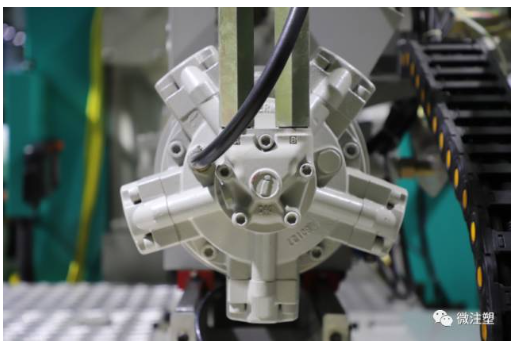
8. Cannot melt the plastic.
Burning bearing or drive shaft cracking. Separate the screw and melt the plastic while listening for sounds, replace the bearing.
There are metal shavings on the screw. Separate the screw from the barrel, inspect the screw for metal shavings, and remove the screw for cleaning.
Nozzle valve is clogged. Use a hex key to push the valve core to see if it moves, and clean the solenoid valve.
The injection motor is damaged. When the injection motor is separated and the injection does not rotate, replace or repair the injection motor.
The heating ring is burnt out. Check its functionality with a multimeter and replace it.
The plug is loose. Check if the glue oil machine plug is in poor contact, tighten the plug, and check if there is 24V power.
9. Back pressure cannot be adjusted during melting.
The back pressure valve is faulty. Increase back pressure during material feeding, check whether the screw retracts, and clean the back pressure valve.
10. The product has black spots
There is carbon buildup on the screw. Check and clean the screw and barrel.
Corrosion of the glue nozzle assembly. Inspect the glue nozzle and replace the glue nozzle assembly.
Flange, nozzle has carbon buildup. Clean and replace.
Contaminated raw materials. Inspect and replace the raw materials.
Temperature is too high, and the screw back pressure is excessive. Check the temperature of each zone and reduce both temperature and back pressure.
11. Poor color mixing in screw extrusion
Check toner quality, replace material.
Temperature too low. Check the actual temperature against the required material temperature and increase the temperature.
Back pressure is too low; check and increase the back pressure.
Mixing time is too short. Extend the mixing time or replace with a kneading head.
Rotational speed is too low. Check the screw speed and increase it.
12. No glue extraction action
High back pressure. Check the speed of the nozzle dripping during manual plasticizing, and reduce the back pressure.
Line break. Glue valve line break.
The directional valve spool is not moving freely. Use an Allen wrench to press the spool and check if it moves freely, then clean the spool.
13. Motor tail swing during plasticizing
Bearing failure. Observe for any abnormal noise during melt extrusion and replace the bearing.
Improper adjustment of the slanted bearing. Check if the drive shaft has any wobbling, and readjust the clearance.
The screw is deformed. Observe the rotation of the drive shaft after separating the screw, and replace the screw.
Shot action twice
The nozzle orifice is too small, causing excessive resistance during injection.
The nozzle heater is faulty, check the heater or replace it.
Check if the pressure and flow output have changed.
15. Cause of screw breakage
Injection and mold opening are out of sync; adjust the synchronization between injection and mold opening by ±0.05.
Injection cylinder desynchronization; adjust injection cylinder synchronization to ±0.05.
The temperature has not reached the melting point of the material used.
Wait until the temperature just reaches the target, then rotate the screw.
Heating tube is burnt out and not heating, check if there is a cold protection function, replace the heating tube.
16. Cannot adjust the mold
The mechanical level and parallelism exceed the tolerance. Check and adjust the parallelism and level using a level and square.
【Copyright and Disclaimer】The above information is collected and organized by PlastMatch. The copyright belongs to the original author. This article is reprinted for the purpose of providing more information, and it does not imply that PlastMatch endorses the views expressed in the article or guarantees its accuracy. If there are any errors in the source attribution or if your legitimate rights have been infringed, please contact us, and we will promptly correct or remove the content. If other media, websites, or individuals use the aforementioned content, they must clearly indicate the original source and origin of the work and assume legal responsibility on their own.
Most Popular
-
Supply Extremely Tight! LG Chem Declares Force Majeure on Export Contracts for Di-Octyl Terephthalate (DOTP)
-
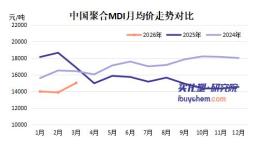
Huntsman Introduces “War Surcharge” Amid Shipping Disruption and Soaring Energy Costs, Global MDI Prices Continue to Rise
-
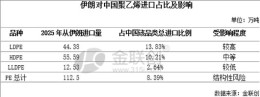
Middle East Tensions Escalate Sharply: How Polyolefins Respond Amid Soaring Risk Premium
-

Deadly Impact: Hormuz Strait Blockade Sparks Shortage of Plastic Raw Materials, Threatening Shutdowns at Japanese and Korean Chemical Plants
-

LG Chem Declares Force Majeure on DOTP Exports! SABIC Joins Five Giants to Redefine EV Safety


