Xiaopeng He Responds to Autonomous Driving Route Debate: Iterating Directly from L2 to L4 Is the Most Prudent Path
According to Gasgoo, on April 16, He Xiaopeng, Chairman and CEO of XPeng Inc., shared his views on recent industry discussions regarding autonomous driving technology routes during an interview with media outlets including The Paper. He stated that the market’s diversified development is a positive phenomenon, and he welcomes collaborative exploration across different technological approaches. However, the ultimate goal should focus on ensuring safety and advancing vehicles from requiring human intervention once every 100 kilometers to once every 1,000 kilometers, and ultimately once every 10,000 kilometers—thereby genuinely enhancing the user experience.
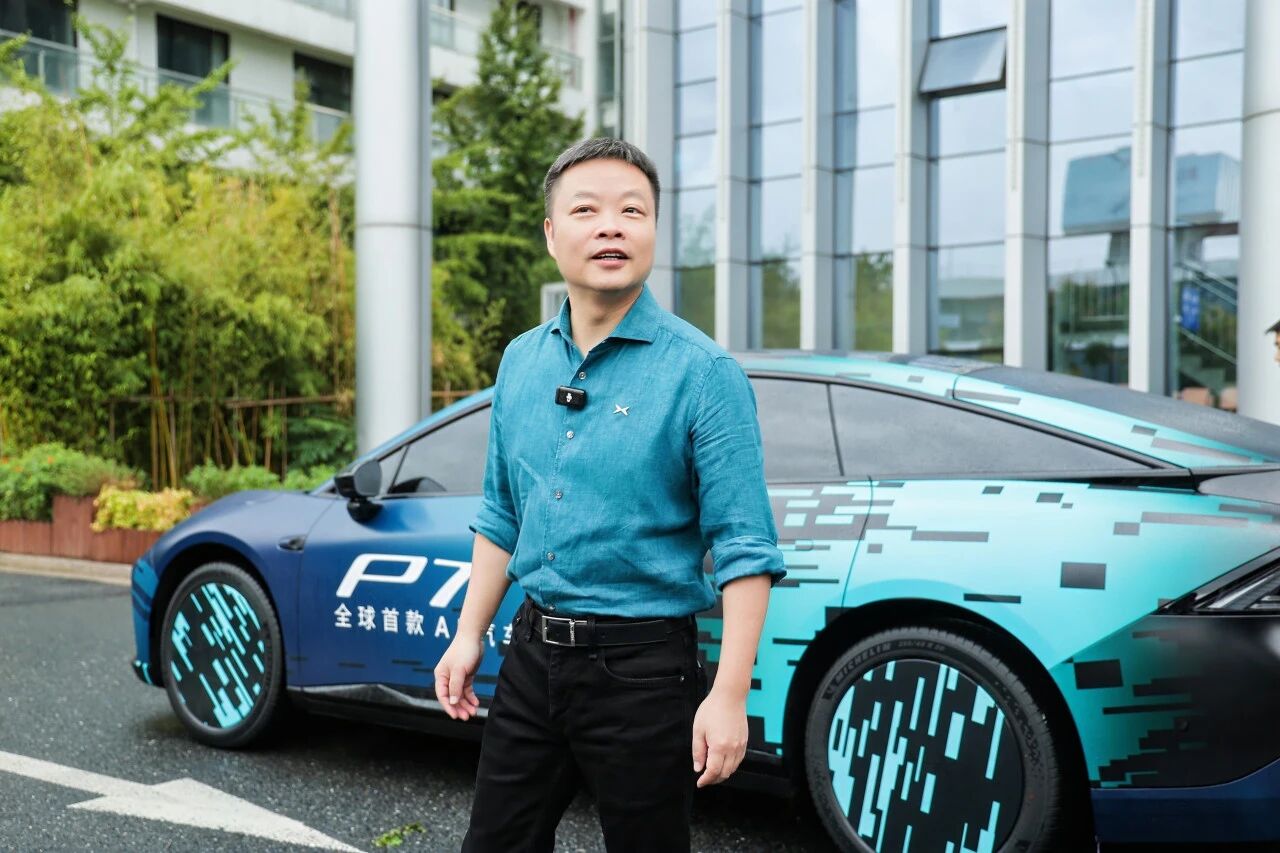
Image source: XPeng Motors
Previously, Jin Yuzhi, Senior Vice President of Huawei and CEO of Yinxiang Company, publicly stated that L3 is an indispensable step on the way to achieving fully autonomous driving at L4 and L5 levels. However, companies such as XPeng, Tesla, Baidu, and scholar Ouyang Minggao advocate directly focusing on L4 technology, reigniting industry debates on whether L3 should be skipped.
He Xiaopeng stated in an interview that L3 and L4 are not strictly commercial classifications. Initially, they were technical divisions that did not fully consider commercial implementation. He believes the most reliable evolutionary path for intelligent driving should be from L2 directly to L4, continuously accumulating data, always prioritizing safety, and simultaneously advancing related policies and regulations.
Another report states that on April 15, the compulsory national standard "Safety Requirements for Combined Driving Assistance Systems in Intelligent and Connected Vehicles" (Draft for Approval) has been completed. This standard applies to M and N class vehicles equipped with combined driving assistance systems, providing a unified basis for the safety design, testing and verification, and type approval of the systems.
The standard categorizes driving assistance systems into three types: basic single-lane, basic multi-lane, and pilot, each with specified safety requirements. At the functional level, it defines technical indicators for capabilities such as lane cruise control, lane change control, cross-lane obstacle avoidance, and intersection and roundabout passage. It also puts forward requirements for the intervention strategy of risk mitigation functions and the selection of target parking areas.
【Copyright and Disclaimer】The above information is collected and organized by PlastMatch. The copyright belongs to the original author. This article is reprinted for the purpose of providing more information, and it does not imply that PlastMatch endorses the views expressed in the article or guarantees its accuracy. If there are any errors in the source attribution or if your legitimate rights have been infringed, please contact us, and we will promptly correct or remove the content. If other media, websites, or individuals use the aforementioned content, they must clearly indicate the original source and origin of the work and assume legal responsibility on their own.
Most Popular
-
From Compliance to Competitiveness: Alpla’s Circular Design and Recycling Practices Driven by PPWR
-
Deadly Impact: Hormuz Strait Blockade Sparks Shortage of Plastic Raw Materials, Threatening Shutdowns at Japanese and Korean Chemical Plants
-

BASF Delivers First Batch of Innovative Cathode Materials for Semi-Solid-State Batteries to Weilan New Energy
-

【Overseas News】Oil prices may surge to $120; Shell plans $83 billion acquisition of bp; Eu proposes cutting energy tax
-

Driving Intelligent Upgrades In Rubber And Plastics Industry! Preview Of Concurrent Activities At Chinaplas 2026 International Rubber & Plastics Exhibition (Part 2)