



Why Are Mainstream Solutions Turning to Thermoplastic Composites for Battery Pack Upper Covers?
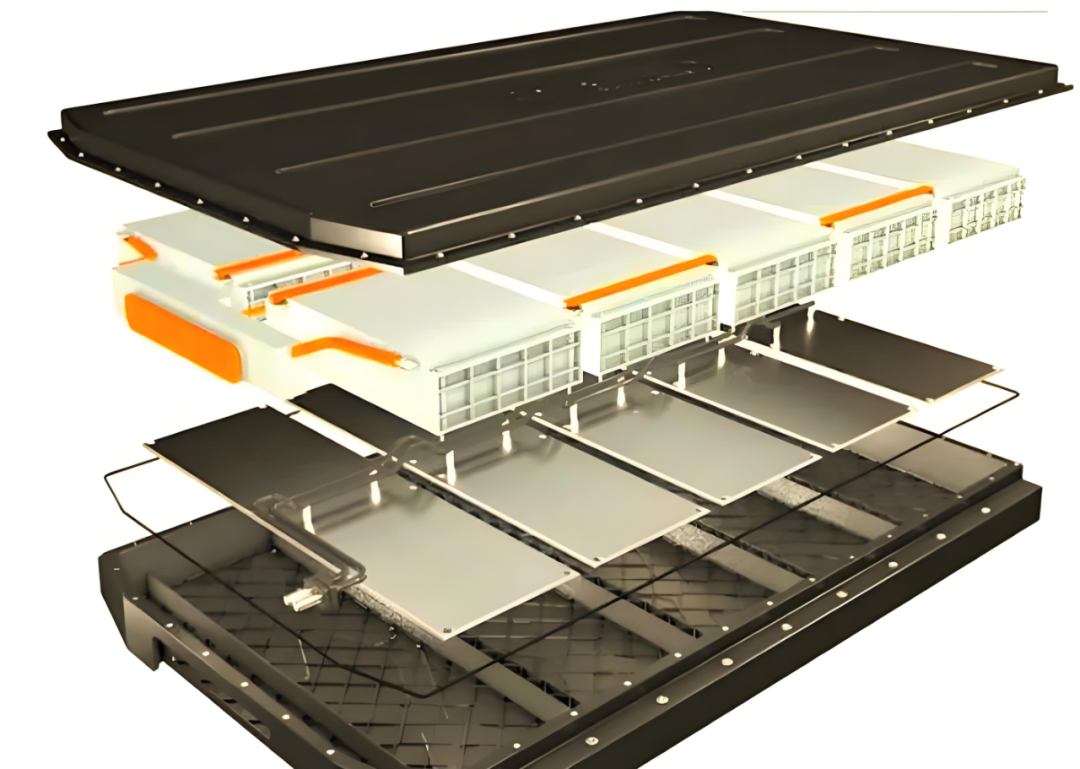
Recently, whether at the CHINAPLAS exhibition site or during exchanges with OEMs and Tier 1 suppliers, “Battery pack upper cover” have all become frequently discussed topics.
Recently, Napan also received fromA German luxury brandInquiry regarding the lightweighting solution for the battery pack upper cover in related projects.
This actually reflects a material route upgrade that the entire industry is undergoing.
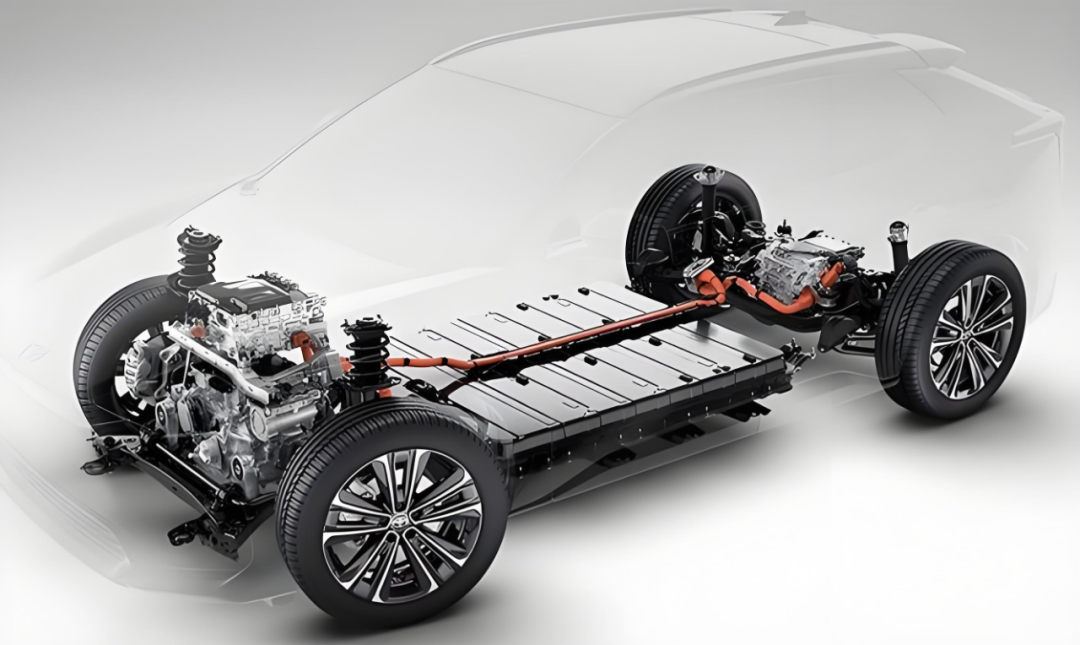
Why are battery pack upper covers becoming increasingly difficult to make?
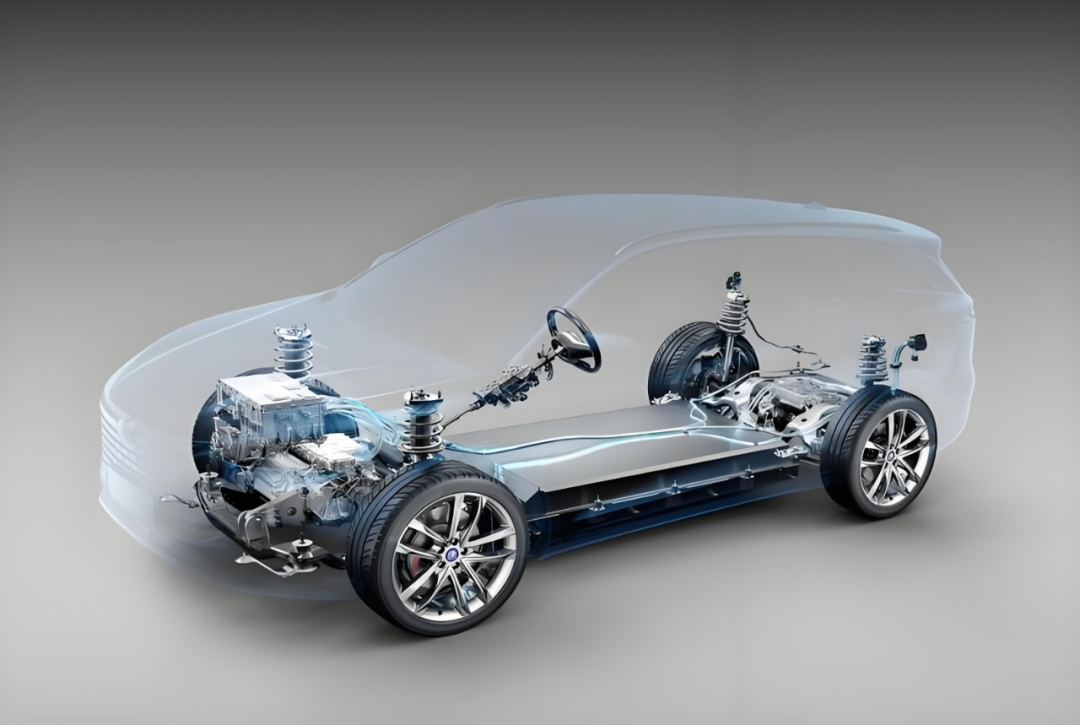
The battery pack cover is not simply a "cover plate."
It must also bear the responsibility of undertaking.Structural strength, sealing, protection, flame retardancy.The above content translates to: "The above functions are also directly related to."Vehicle lightweighting, safety, and thermal runaway protection capability.。
Due to this reason, the material selection for the battery pack cover is shifting fromTraditional steelgradually moving towardsComposite material solution。
But the problem is:The differences in advantages and disadvantages between different material routes are very significant.
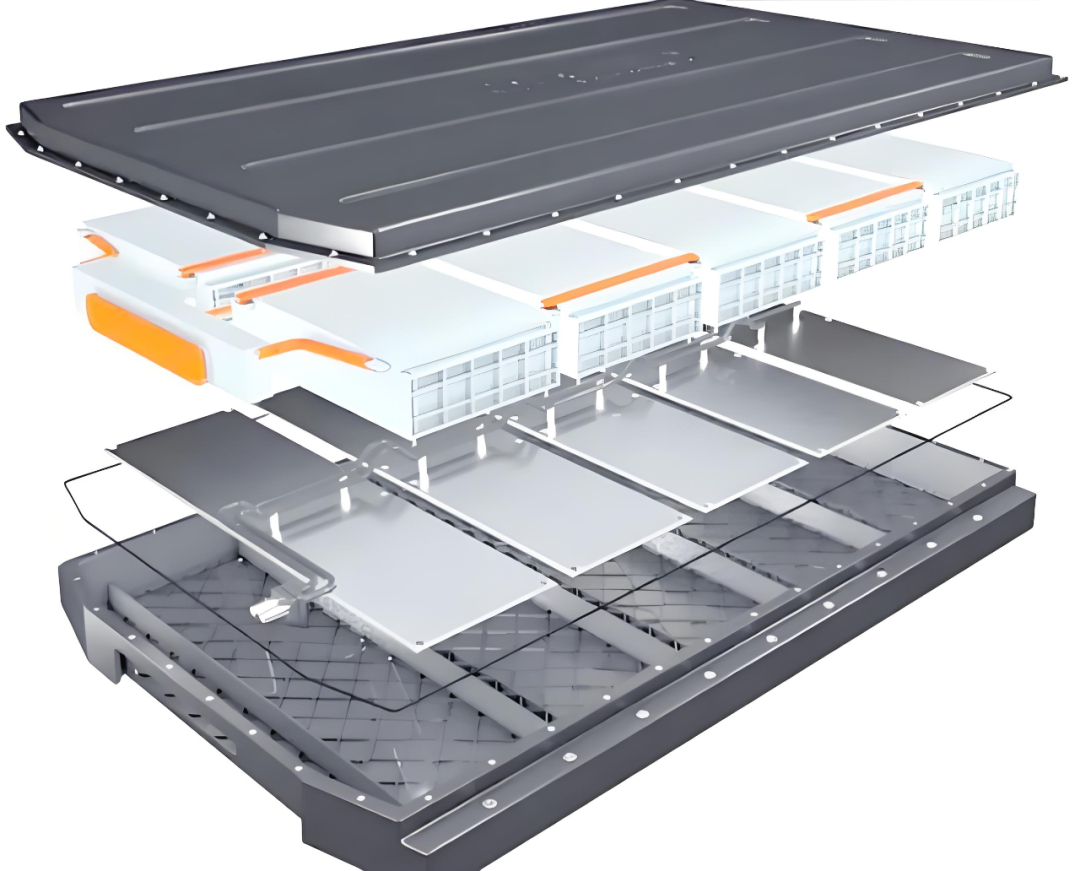
What are the current mainstream solutions for battery pack upper covers?
Traditional steel solutions: mature, but increasingly "heavy"
The biggest advantage of the steel material solution isHigh efficiency, mature process, high formability, stable cost structure。
However, its problems are also becoming increasingly apparent:
Heavy weight, increasing the energy consumption of the entire vehicle.
Potential corrosion risk exists.
Limited insulation performance, poor thermal runaway performance
Lightweight space approaching the ceiling.
As new energy vehicles demand ever greater driving range and energy efficiency, traditional steel solutions can hardly meet the requirements of the next stage.
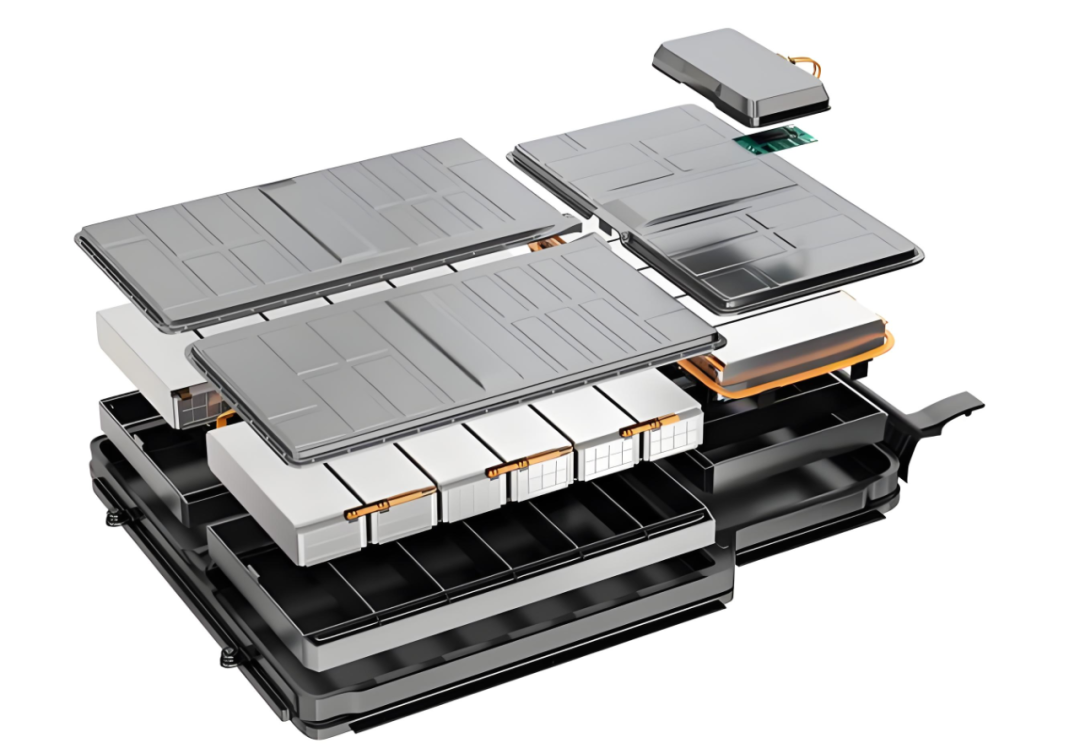
SMC solution: cost-effective, but with performance limitations.
Compared with steel, SMC hasCertain lightweight advantages The process is mature, and the cost is relatively controllable.It was once an important direction for many battery pack projects.
However, due to the use of short fiber reinforcement, itsStrength and stiffness have upper limits. Translate the above content into English without any explanation.The overall weight is still relatively high.and thermosetting materialsNon-recyclable。
Especially as battery systems continue to move toward “High capacity, large size, high safety"After development, SMC began to gradually reveal performance bottlenecks."
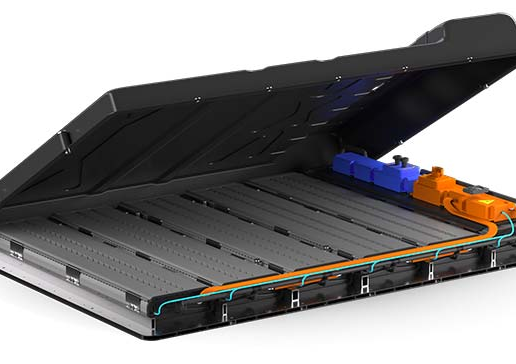
PCM and HP-RTM solutions:
Excellent performance, but relatively high manufacturing cost.
PCM prepreg compression molding and HP-RTM high-pressure resin transfer molding are essentially both classified asContinuous Fiber Thermosetting Composite Route。
Continuous fibers bring.Excellent structural performance, withHigh specific strength, high specific modulusthe performance, but the industry generally faces several practical issues:High equipment investment, high preforming labor costs, long cycle, and non-recyclable materials.However, challenges remain in large-scale mass production and overall manufacturing costs.
Therefore, the industry has been seeking a new balanced solution:Lightweight yet strong; safe yet mass-producible.。
Why are more and more automakers focusing on thermoplastic composites?
In the past two years, a very clear trend has been:
Continuous fiber-reinforced thermoplastic composites are increasingly being used in battery pack projects.
The reason is simple.
It is trying to solve several issues that have been difficult to address simultaneously in the past.Lightweight, high strength, thermal runaway protection, molding efficiency, recyclability。
Compared with traditional short-fiber materials, continuous fiber-reinforced thermoplastic composites canSignificantly improve structural performanceAt the same time, it also possesses.Advantages of Thermoplastic Materials in Processing Efficiency。
So, what exactly are thermoplastic composites?
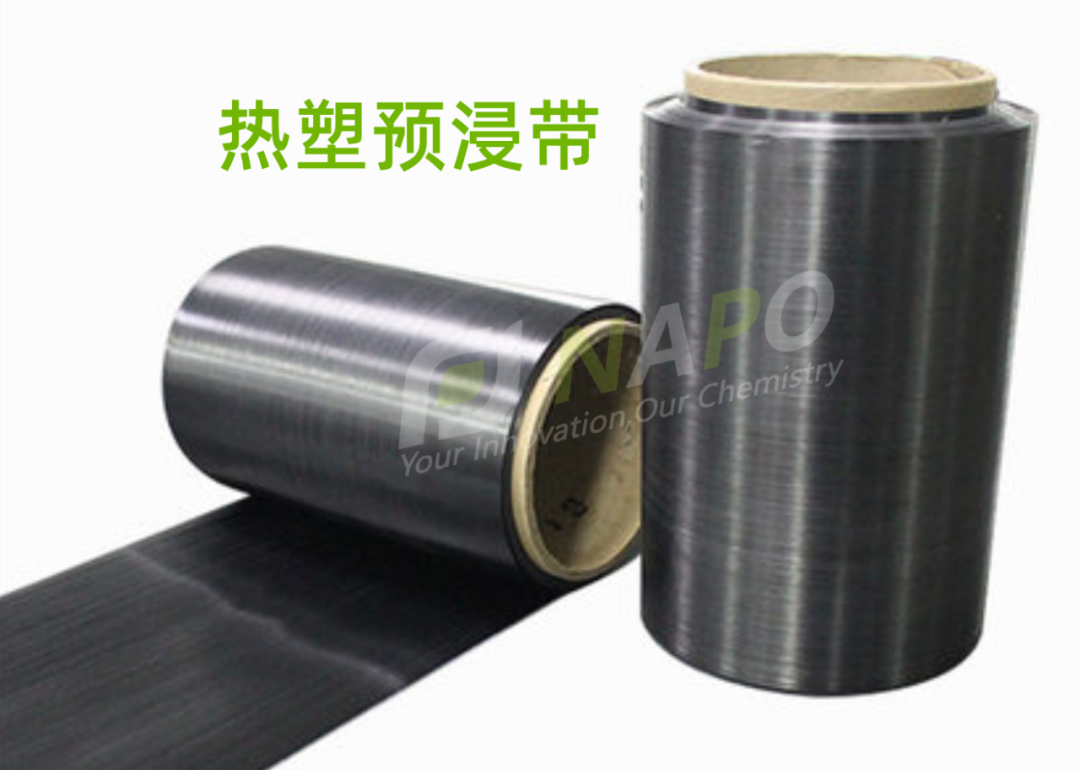
A simple way to understand it: thermoplastic composites are “Thermoplastic resin + fiber reinforcement material" combination.
According to different fiber lengths, they can be divided into:
Short fibers
Long fiber
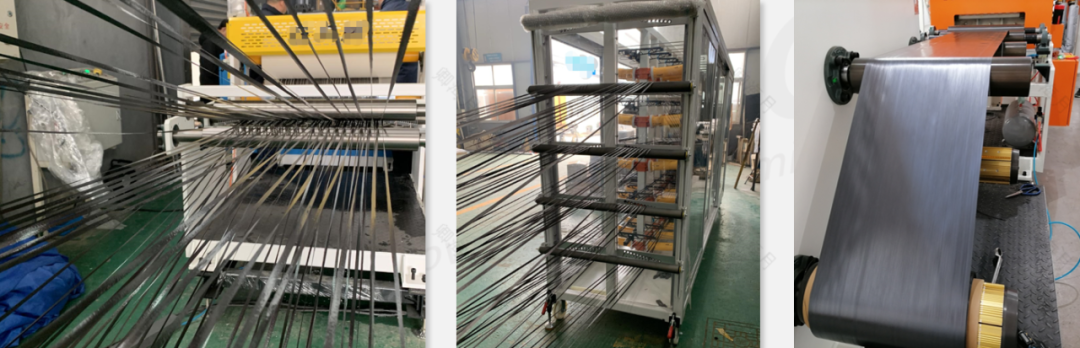
Continuous fiber
The key that often determines the performance ceiling is.Fiber length。
The more intact the continuous fibers are, the higher the material’s strength, modulus, and structural load-bearing capacity typically are.
Is thermoplastic composite really suitable for battery pack covers?
This is a question many automakers are urgently eager to know.
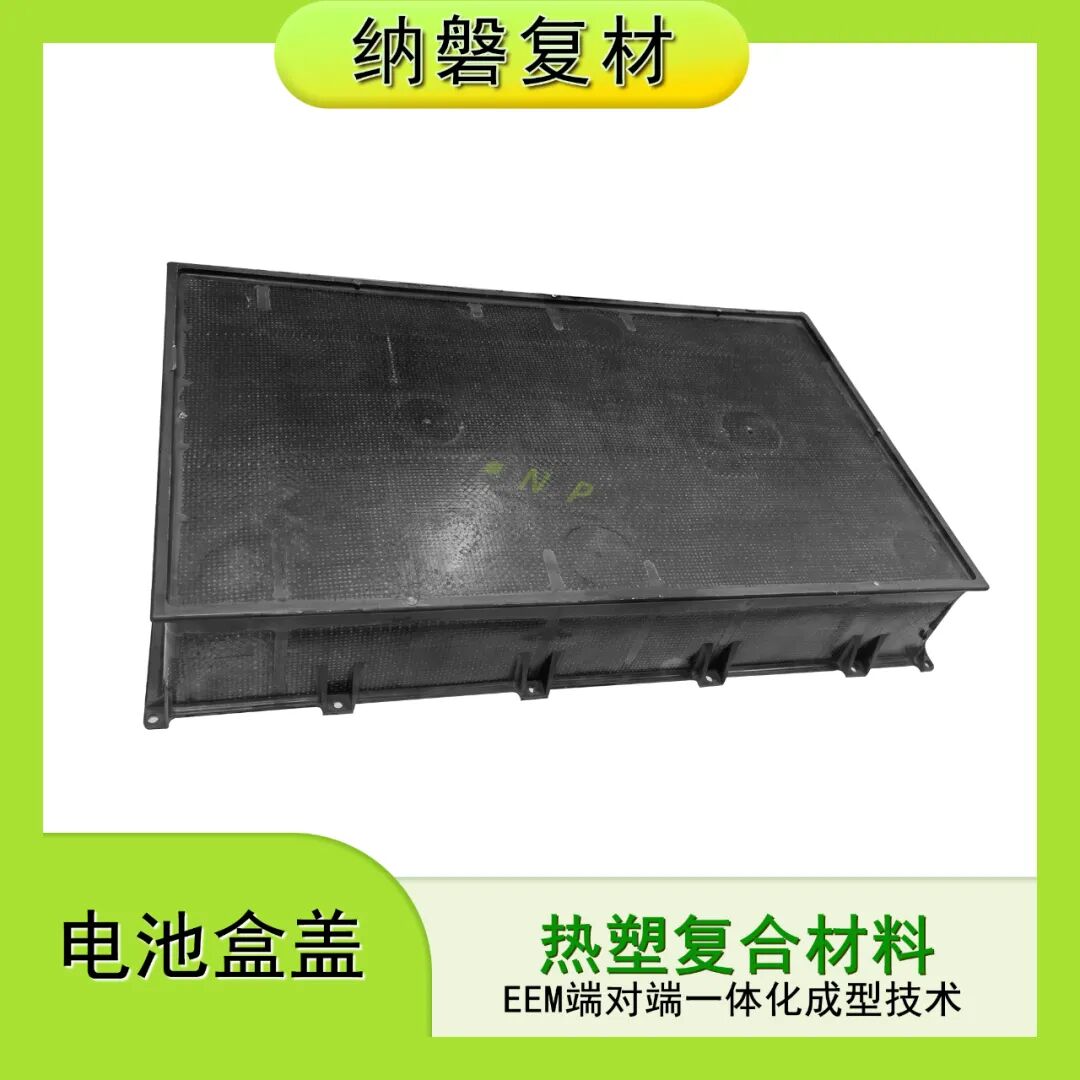
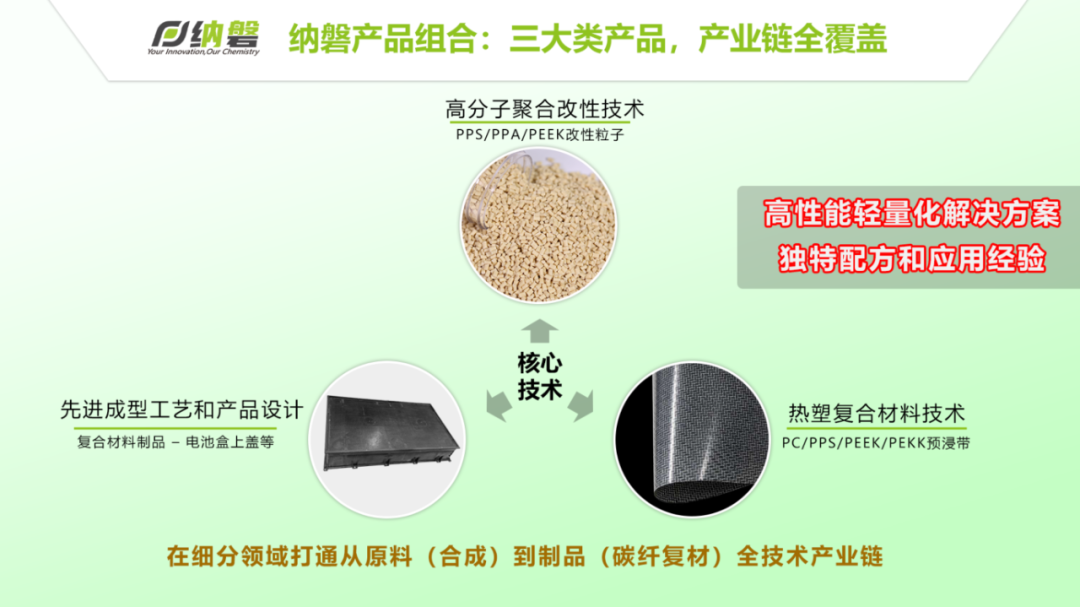
Currently, based on the application requirements for the battery pack cover,Nanpan provides.Continuous Glass Fiber Reinforced PPS Thermoplastic Composite Solution。
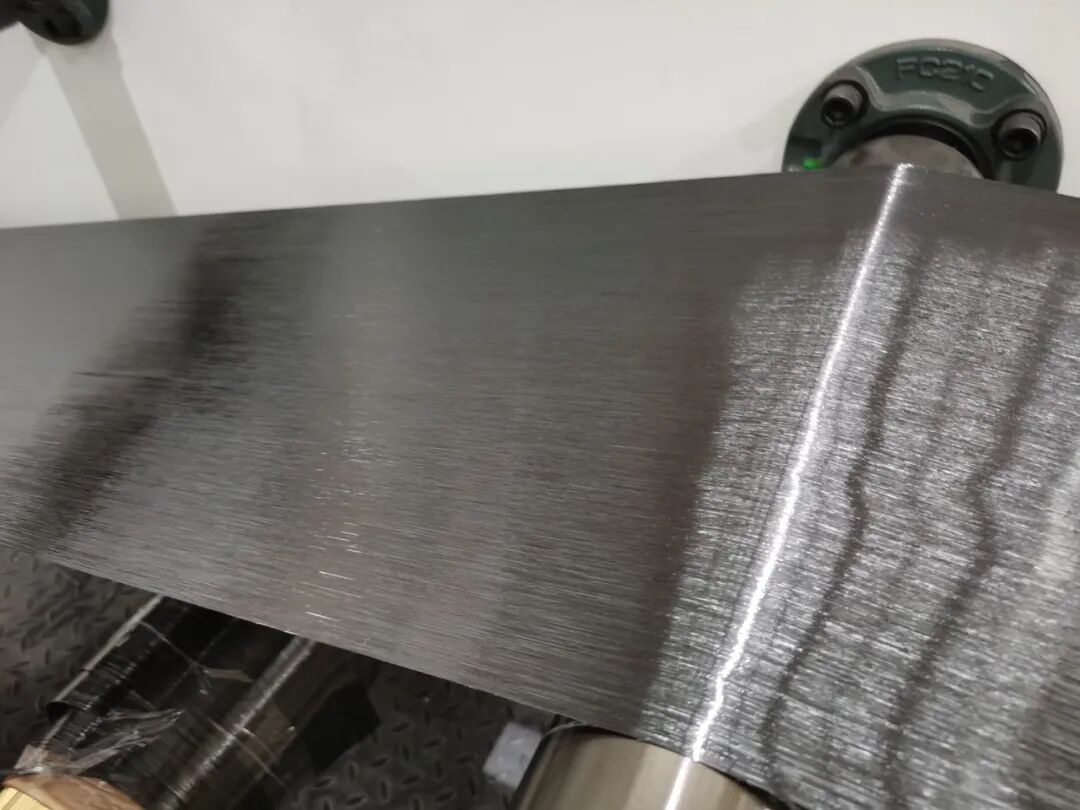
Among them, PPS resin itself hasUL94 V-0 flame retardant ratingNo additional flame retardants are required; at the same time, during the molding process of thermoplastic materials, no chemical reactions occur, making it less likely to produce pinholes.Product sealing performanceMore friendly.
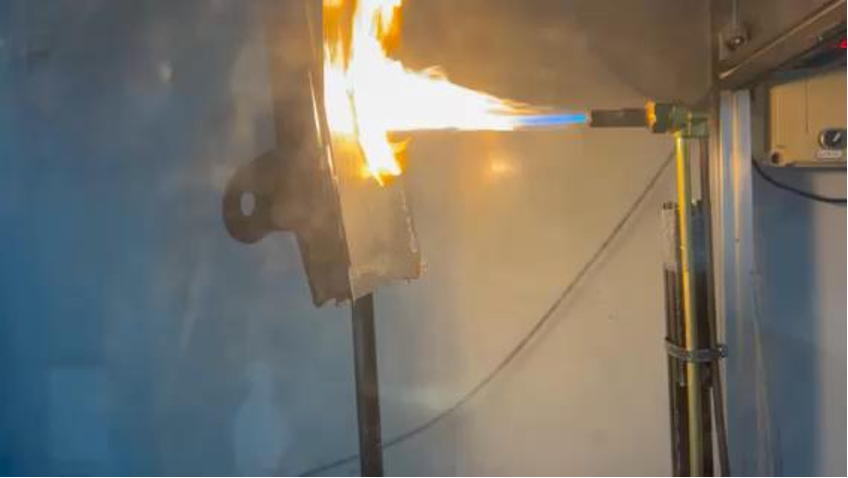
In terms of thermal runaway safety, measured data show that:
The battery box cover using the PPS continuous fiber thermoplastic composite solution.Burning for more than 10 minutes under a 1200°C flameStill not burned through.
This means that, in extreme cases, it can buy more time for personnel evacuation and rescue.
In terms of structural performance, the test results of the finished product show:
Tensile strength > 400 MPa
Modulus > 25 GPa
It can meet the requirements of high strength and high rigidity for the battery pack upper shell, with overall performance significantly higher than that of traditional SMC solutions.
At the same time, compared with metal solutions,Weight reduction of up tomore than 65%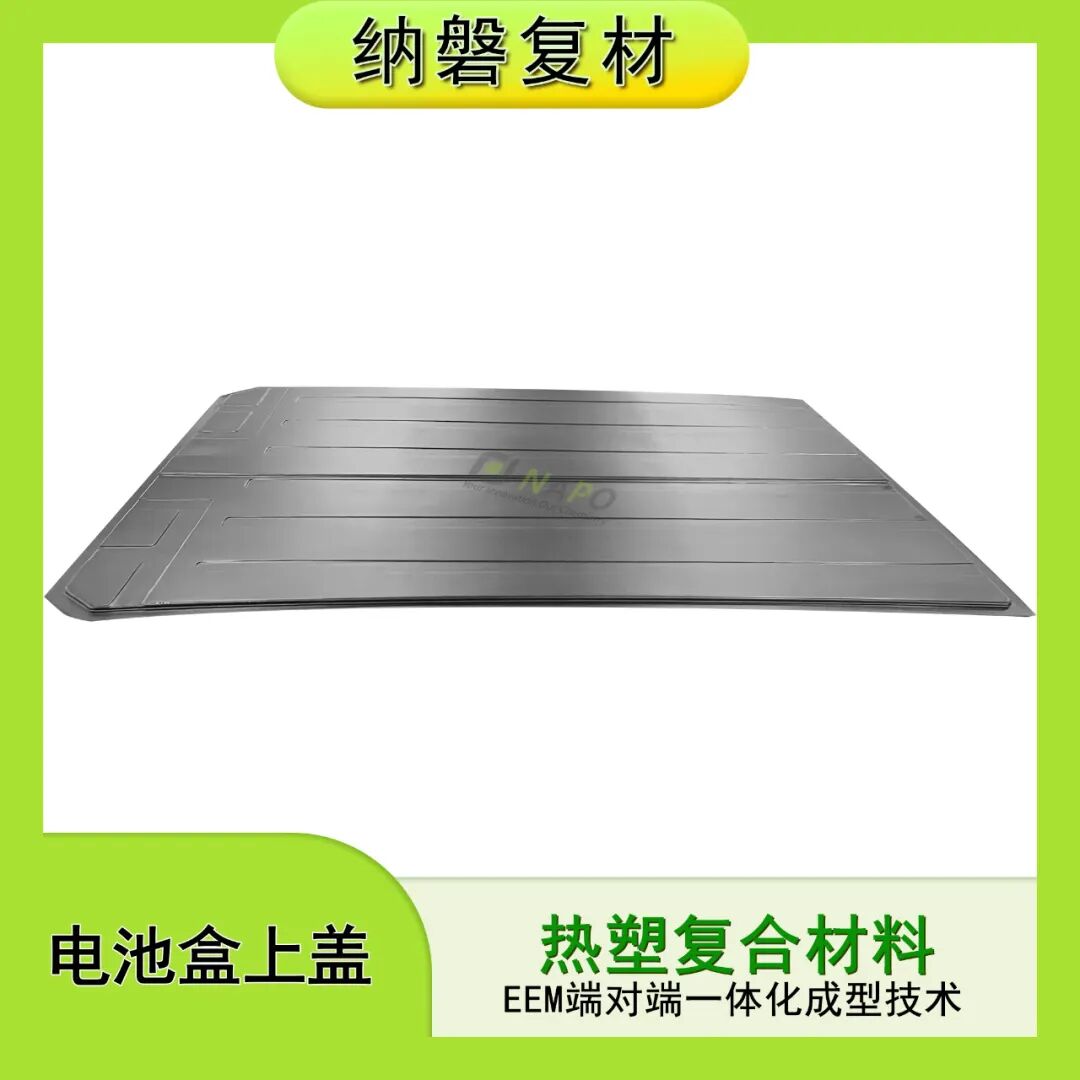
What OEMs really care about is mass production.
Many composite material solutions perform well in the laboratory.
But what truly determines whether it can be implemented is:
Can it be produced efficiently and in large scale?。
Napan has focused on optimizing forming efficiency in this area.
Adopt originality.End-to-end integrated molding technology(Abbreviation)EEM), in-mold trimming is achieved through compression molding, eliminating the need for extensive secondary processing and enabling one-step forming from material to finished product, so that it can keep pace with the OEM’s production cycle.

Compared with the traditional thermoset composite route, thermoplastic composites:
Shorter molding cycle (3–5 minutes)
More suitable for large-scale manufacturing.
Environmentally recyclable
In terms of cost, Nanpan has currently achieved through process optimization and efficiency improvement.The overall cost of the thermoplastic composite battery pack cover has gradually approached that of the steel.and lower than some thermoset composite solutions.
This means:
It is not a laboratory material that “can only be used in high-end projects,” but one that is genuinely beginning to show the potential for industrial-scale application.
The real changes in the industry are just beginning.
Currently, thermoplastic composite battery pack upper covers are still in the rapid validation and introduction phase.
But the overall industry trend is becoming increasingly clear:
Whoever completes validation first will have the opportunity to take the lead in establishing advantages in next-generation battery structural components.
It is worth noting that the real barrier to thermoplastic composites is no longer just the material itself. Rather, it is:
Material body
Structural Design
Molding process
Mass Production Capability
Whether it can truly collaborate.
Compared with the traditional model that only provides materials, Napan has now formed a model fromThermoplastic composite prepreg tapes to structural design, molding and processing productsIntegrated capabilities.
For OEMs, this means being able toReduce communication and development costs associated with multi-vendor collaboration, enabling more efficient project validation and implementation.
In the past, the competition for battery pack upper covers was more about "whether it could be made."
And now, the industry starts to compete on:
Who can be lighter, who is safer, and who is more suitable for large-scale mass production.
This is also why more and more OEMs are beginning to reassess traditional metal and composite solutions and turn their attention to continuous fiber thermoplastic composites.
【Copyright and Disclaimer】The above information is collected and organized by PlastMatch. The copyright belongs to the original author. This article is reprinted for the purpose of providing more information, and it does not imply that PlastMatch endorses the views expressed in the article or guarantees its accuracy. If there are any errors in the source attribution or if your legitimate rights have been infringed, please contact us, and we will promptly correct or remove the content. If other media, websites, or individuals use the aforementioned content, they must clearly indicate the original source and origin of the work and assume legal responsibility on their own.
Most Popular
-

A Look at the Material Suppliers Behind SpaceX
-
Daily Review: Cost and Supply Support Push Polyester Bottle Film Market Higher
-
Polyester bottle flake market continues to decline
-

Deadly Impact: Hormuz Strait Blockade Sparks Shortage of Plastic Raw Materials, Threatening Shutdowns at Japanese and Korean Chemical Plants
-
Phased Rally Ends, Polypropylene Returns to Fundamental Consolidation


