


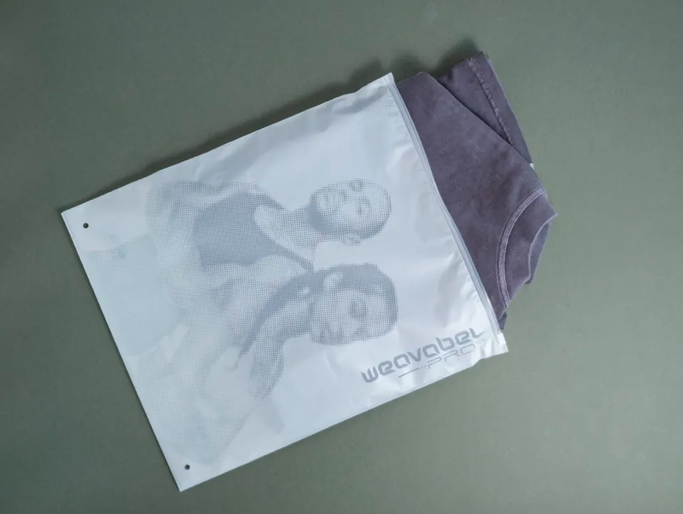
According to Weavabel, “billions” of plastic bags in the clothing supply chain end up as waste each year—attributed to fragmented collection systems, limited recycling infrastructure, and increasing regulatory and customer pressure.
In response, it has developed a system that integrates recycling and reclaimed materials into existing supply chains, rather than expecting brands to build their own infrastructure.
By fully integrating systems across warehouses, factories, and distribution centers, Weavabel aims to maintain consistency and performance while helping brands extend the lifespan of their packaging and reduce reliance on plastic.
Factories can order plastic bags from the Weavabel warehouse to the nearest garment factory, where products are packaged and shipped. Brands are then encouraged to collect used plastic bags from stores and return them to distribution centers, where they are sorted and bundled along with other waste materials.
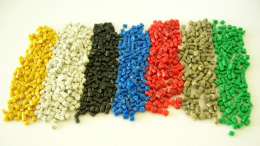
Weavabel aims to collect baled waste via trucks and consolidate it for recycling across the EU and the UK. Plastic bag waste is sorted, shredded, processed, and shipped to licensed importers; the polymers are then processed, blended, and pelletized at Weavabel’s production facility for film blowing, preparing them to become new plastic bags.
This approach is expected to help fashion brands align with increasingly stringent legislation on verifiable circularity, such as the Packaging and Packaging Waste Regulation and the Ecodesign for Sustainable Products Regulation, rather than stopping at recyclability.
Saqib Ihsan, Chief Corporate Social Responsibility, Sustainability, and Regulatory Compliance Officer at Weavabel, stated, “Plastic bags have long been regarded as single-use, but this notion is no longer valid.” “Regulatory frameworks are evolving rapidly, and most brands are now required to demonstrate circularity rather than merely claim it—hence, we have established this closed-loop system to provide them with a genuine, traceable solution.”
“It aligns with the way plastic bags already move through warehouses, factories, and distribution centers, so brands don’t need to change anything except where the waste ultimately ends up. We’re not asking brands to recycle better. We’re closing the loop for them.”