



Titan Yang Chemical Focuses On Pigment Innovation And Compliance To Achieve Sustainable Development
Despite challenges such as slowing growth in Western markets, stricter regulations, a changing market environment, and overcapacity in some sectors, the rubber, plastics, and pigments industries are seizing this opportunity to transform and develop towards greater efficiency and cost-effectiveness.
Meanwhile, increasingly stringent environmental regulations and consumers’ growing emphasis on health are driving the market toward greener solutions, covering areas such as recycling and reuse, high-purity pigments, heavy metal-free products, low-VOC alternatives, and biodegradable materials.
Industries such as automotive, packaging, and electronics continue to raise requirements for pigments in terms of weather resistance, chemical resistance, color strength, as well as functional properties like color stability and electrical conductivity, thereby significantly accelerating the development of high-performance pigments and driving market growth and structural breakthroughs.
Dr. Kouyaté
Titanium Yang Chemical Pigments Global Plastics Industry Management Director
"The rubber and plastics and pigment industries are at a critical stage of transformation and restructuring, where sustainable development is no longer an optional choice but a mandatory requirement for corporate survival."
Sustainability and Innovation: The Two Engines Driving Growth
Dr. Kuyat stated that multiple factors are jointly driving industry growth. First, rising demand for high-performance pigments from downstream sectors is expected to boost market revenue. Traditional industries such as automotive, packaging, construction, and textiles continue to expand, and the rise of new energy vehicles is creating entirely new market demand.
Beyond end-user application demands, circular economy practices and innovations in high-performance materials are reshaping the industry landscape, driving it toward higher-end and greener transformation. He noted that as the circular economy continues to advance, plastic recycling technologies, biodegradable materials, and high-purity product development have become key focus areas to address environmental pressures.
In terms of material substitution and performance enhancement, plastic products—owing to their lightweight nature, corrosion resistance, and high cost-effectiveness—are progressively replacing metals and glass across numerous application fields; meanwhile, the development and application of innovative materials such as ultrafine fibers meet consumers’ demand for comfort in sportswear, footwear, and outdoor gear.
Building Core Competitiveness Development Strategies
Facing new challenges and opportunities in the industry, Titanium Sun Chemistry is focusing onMaterial Substitution、Performance Upgrade Digital TransformationThree major directions to build differentiated competitive advantages.
Dr. Kuyat noted that sustainable development has become the core direction of industry product innovation, and based on this, Taiyang Chemical has developed a multi-tiered portfolio of eco-friendly solutions.
Basic product categories
In the basic category, the company introduced pigment products that passed risk assessment and met food contact standards as early as 2014, 12 years ahead of the market. These high-purity products can minimize the content of non-intentionally added substances (NIAS) to the greatest extent, fully meeting global food safety and environmental regulations. In the biodegradable field, several pigment products of the company have obtained EN 13432 biodegradable certification, and can be used in compostable packaging materials.
Circular economy field
In the field of circular economy, the company has launched Sicopal.®Black K 0098, after thermal stability optimization, can withstand repeated processing at 280°C. It can replace traditional carbon black for dark-colored plastic recycling and meets the Chinese GB 9685 food contact standard, effectively solving the classification problem of recycled material coloring.
New Energy Vehicle Sector
Titanium Sun Chemical's innovative functional pigments upgrade traditional colorants into "functional carriers" that create real value for plastic components. In the field of new energy vehicles, the company has developed a series of special warning orange formulas for high-temperature and high-pressure plastic parts, meeting the stringent application requirements of new energy vehicles.
Other Application Areas
The company's innovative achievements also include near-infrared light wave management pigments suitable for LiDAR sensors and laser welding applications, as well as Benda-Lutz in the field of automotive design.®Compal K aluminum pigment. This aluminum pigment can present a metallic texture ranging from smooth and silky to high gloss without the need for adding carbon black. Through the technology of flake crystal orientation, it further enhances the appearance of lightweight components in automobiles.
In addition, intelligent control systems and big data analysis have become standard in the industry, and the concept of "digital pigments" has been applied in practice. The company's color database and digital tools—PigmentFinder / PigmentViewerIt can automatically recommend pigment formulations and processing parameters based on material specifications and application scenarios provided by the customer, enabling an integrated “hardware + software” model.
Green and Functionally Innovative Products Unveiled
At CHINAPLAS 2026, Titan ChemicalsThree major product categories will be highlighted.:
1
Food contact pigments complying with global high-purity regulations
2
Special pigments suitable for high-temperature and high-dispersion applications
3
Functional pigments for promoting sustainability and innovation
Among the highlights are the newly launchedFASTOGEN® PINK K 4430 FPThis product is a quinacridone Pigment Red 122 specifically developed for fiber spinning, offering excellent dispersibility with a filter pressure value (FPV) below 1 bar on a 5 μm screen, making it suitable for various ultrafine fibers and low-warpage injection molding applications.

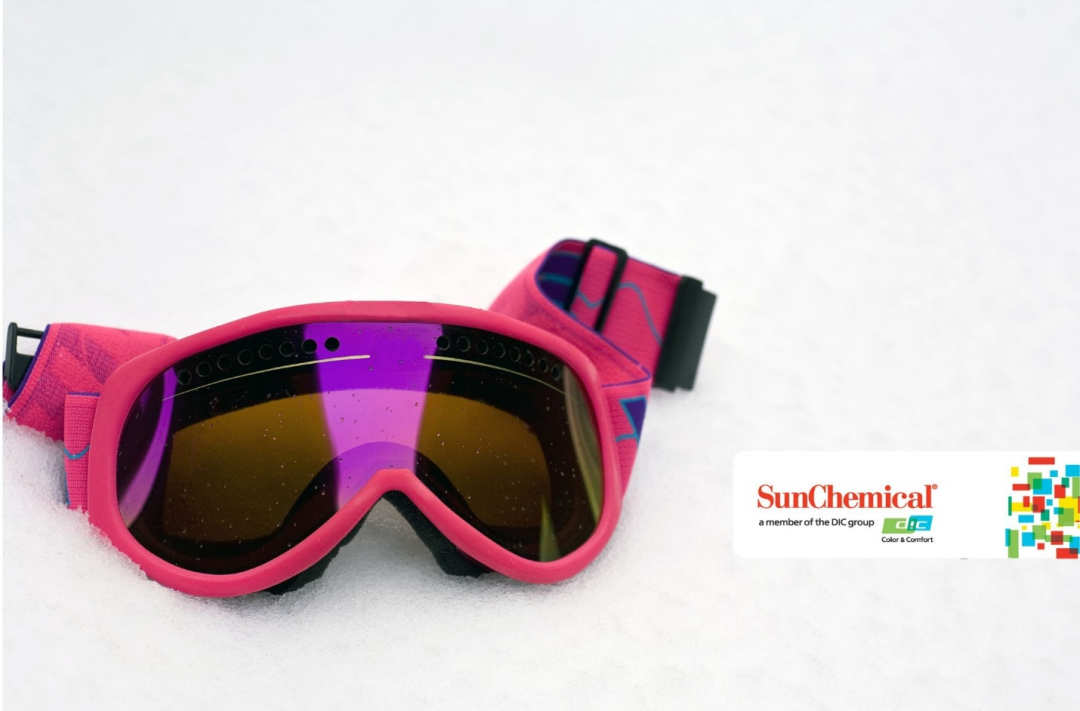
The newly launched FASTOGEN® PINK K 4430 FP
Suitable for various ultra-fine fiber and low-warpage injection molding applications.
The titanium chemical food contact material series pigments have all passed the strict assessment of EU Article 3 and comply with the latest 19th amendment requirements of EU 10/2011, with the content of non-intentionally added substances far below the industry standard.
A coloring scheme for plastics in new energy vehicles can maintain bright colors and excellent mechanical properties under harsh processing and usage environments.
【Copyright and Disclaimer】The above information is collected and organized by PlastMatch. The copyright belongs to the original author. This article is reprinted for the purpose of providing more information, and it does not imply that PlastMatch endorses the views expressed in the article or guarantees its accuracy. If there are any errors in the source attribution or if your legitimate rights have been infringed, please contact us, and we will promptly correct or remove the content. If other media, websites, or individuals use the aforementioned content, they must clearly indicate the original source and origin of the work and assume legal responsibility on their own.
Most Popular
-
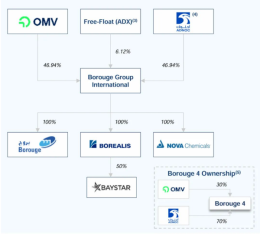
Breakthrough! 13.6-million-ton new giant emerges as world’s fourth-largest polyolefin producer, reshaping industry landscape
-
BASF Delivers First Batch of Innovative Cathode Materials for Semi-Solid-State Batteries to Weilan New Energy
-

Saudi Core Petrochemical Zone Hit! Trump Issues "Final Deadline" Threat to Iran! Over 5 Million Tons of Production Capacity Halted in April
-

Vimar Launches Linea Switch Range Using Envalior Recycled Material, Cutting Carbon Footprint by Over 80%
-
Domestic PBE Breakthrough, Polyolefin Modification Industry to Break the Impasse


