Thermal Conductive PPS, How to Break the AI Server Heat Dissipation Bottleneck
Over the past year, from NVIDIA’s new-generation GPU platforms to various large model training clusters, AI servers have undergone a “Power density explosion”。
Computing power doubles, power consumption doubles, and even—heat density grows exponentially.

But the problem is:
In the heat dissipation path, there is a “bottleneck” segment that has long been overlooked—material.
especially inPower module, connection structure, liquid cooling interfaceAt key locations:
Plastic must be used (insulation requirement)
But traditional plastics have extremely low thermal conductivity.
Heat is trapped here
The result is simple:
The chip is computing furiously, but the heat is blocked halfway.

01Why is the metal solution—not the answer?
When AI servers encounter cooling issues, many engineers' first instinct is:Then let's use metal.。
Indeed, metal conducts heat well, but in AI servers, it hasThree Unavoidable Questions:
①
Insulation problem
In power systems and interface structures, insulation is a necessity, and metal is inherently unsuitable.
②
Weight issue
In high-density server architectures, weight not only affects the structure but also the overall energy efficiency design.
③
Processing and integration complexity
Metal parts often imply more secondary processing, assembly, and cost.
So the reality is:
Plastic must still be used where plastic is required.
But -Can traditional PPS truly meet the requirements?
02The AI Server Era: PPS Faces New Challenges
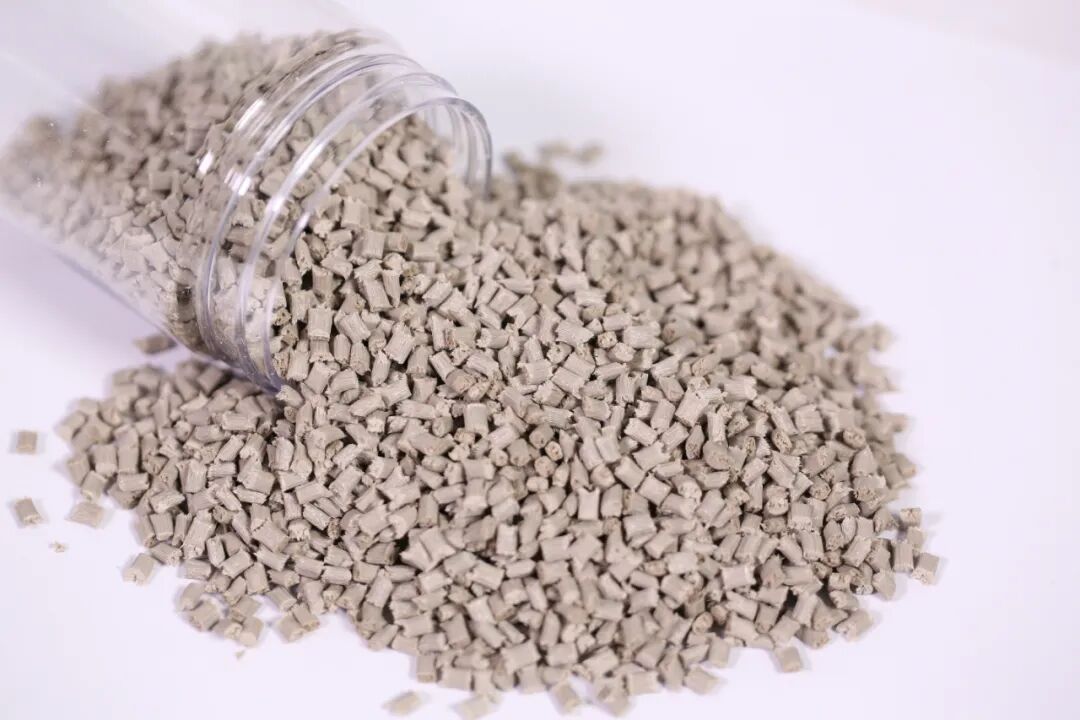
PPS (Polyphenylene Sulfide) itself is a top performer among engineering plastics.High temperature resistance, flame retardant, dimensional stability, chemical resistance.
But ordinary PPS has a fatal problem:
The thermal conductivity is only0.3–0.5 W/m·k
What does this mean?
In the cooling system, it is almost like a layer of "Insulation Layer”
In other words: using it for structural purposes is fine, but using it for heat dissipation—basically unrealistic.
True change comes from the reconstruction of the material system.
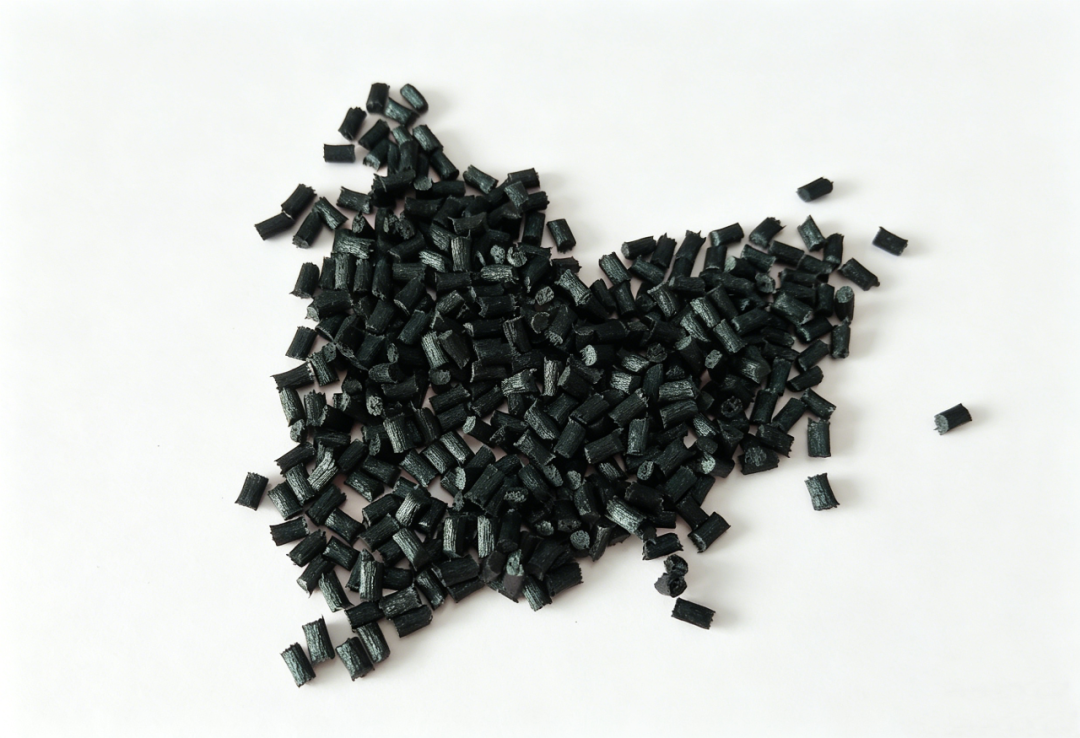
By compounding and orientation design of boron nitride and high thermal conductivity fillers, Napan has improved the thermal conductivity of PPS.Thermal resistanceIt becameHot aisle:
▶
The thermal conductivity is improved to about 3.5 W/m·K
Improved by nearly an order of magnitude, generating heatCan be “taken away,” not “trapped.”。
▶
Retention of heat-resistant and flame-retardant system
Stable and reliable even under high-temperature and prolonged operation conditions.
▶
Lightweight and injection molding advantages
Complex structures can be formed in one piece, reducing assembly complexity.
It's not just "adding fillers," but a systematic project:
•Packing type selection
•Content and Distribution Control
•Interface Compatibility Design
•Construction of heat conduction path during the forming process
The ultimate goal is to develop a thermally conductive PPS that can serve as a structural component and also participate in thermal management.
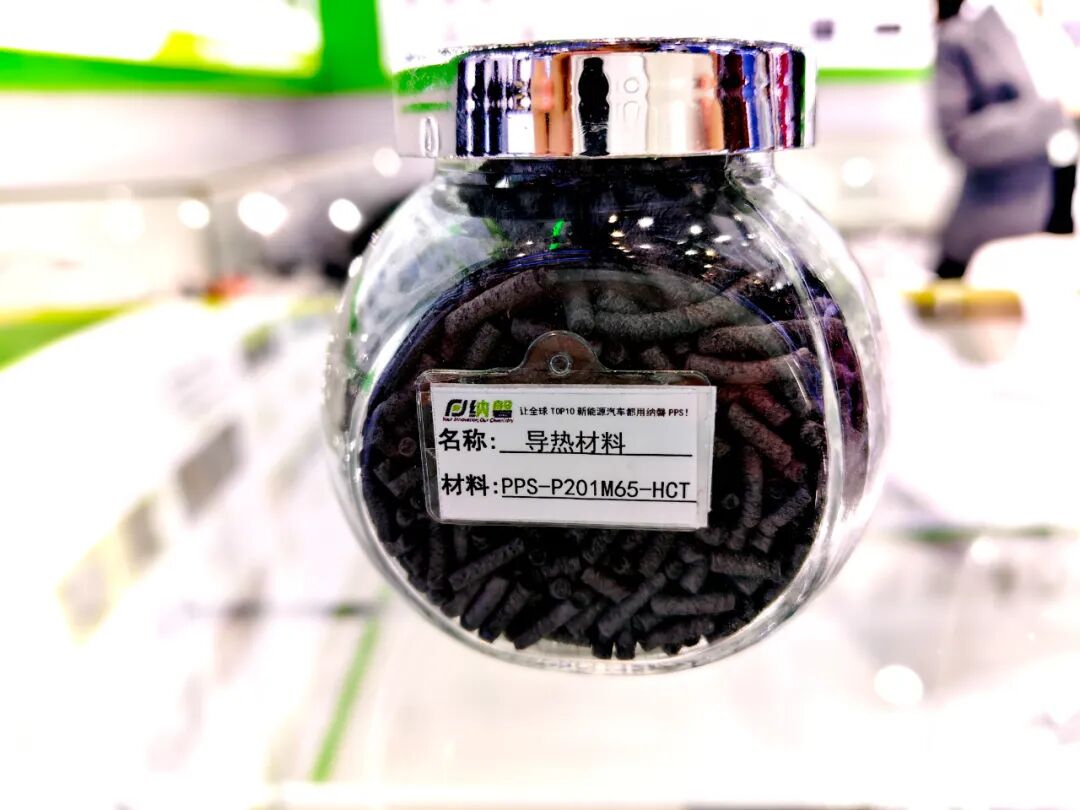
Shift the perspective back to the application side.Napan High Thermal Conductivity PPS, currently mainly used in some "Must be both insulating and close to the heat source.on critical structural components.
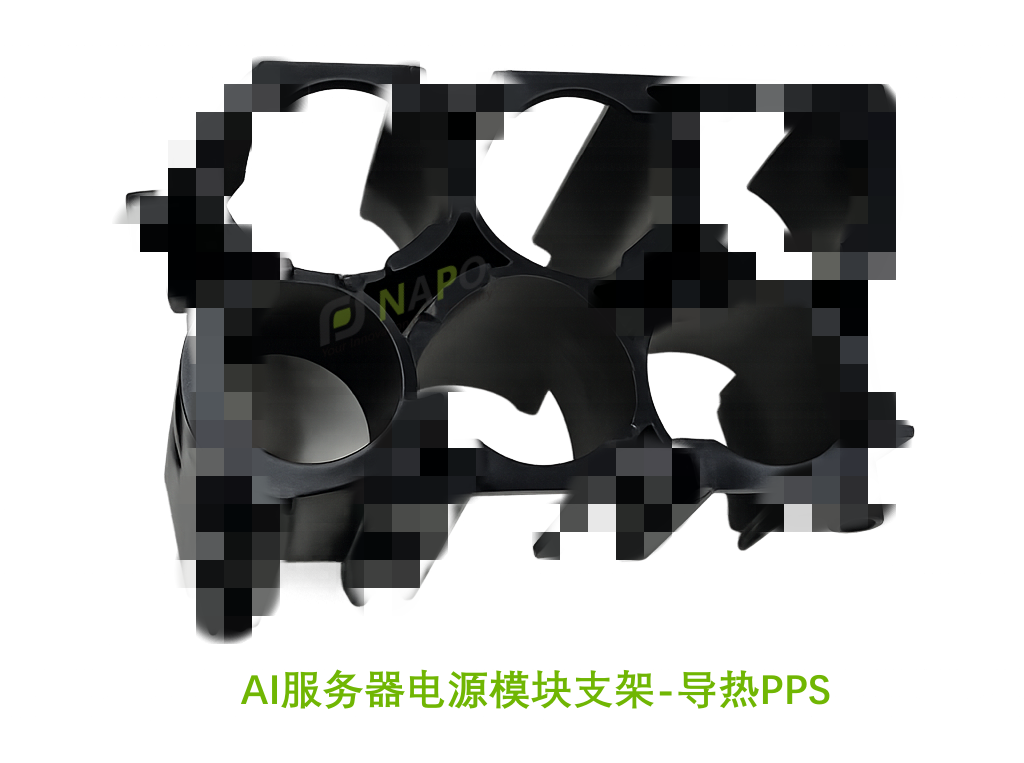
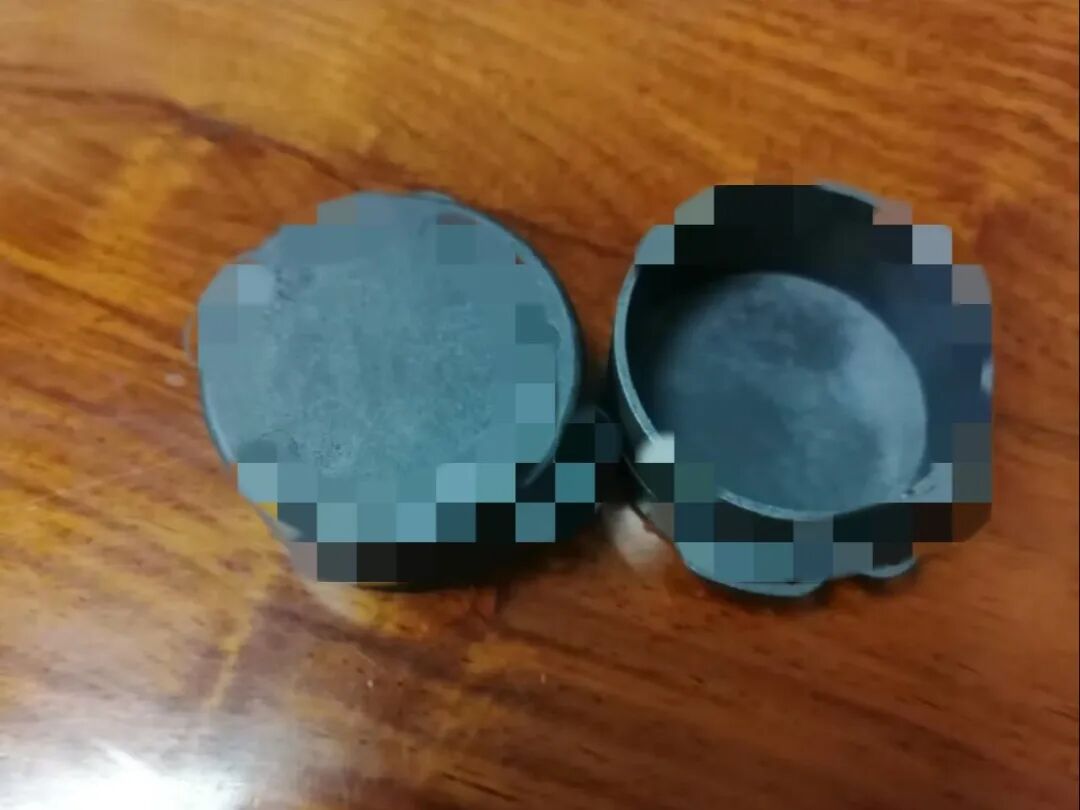
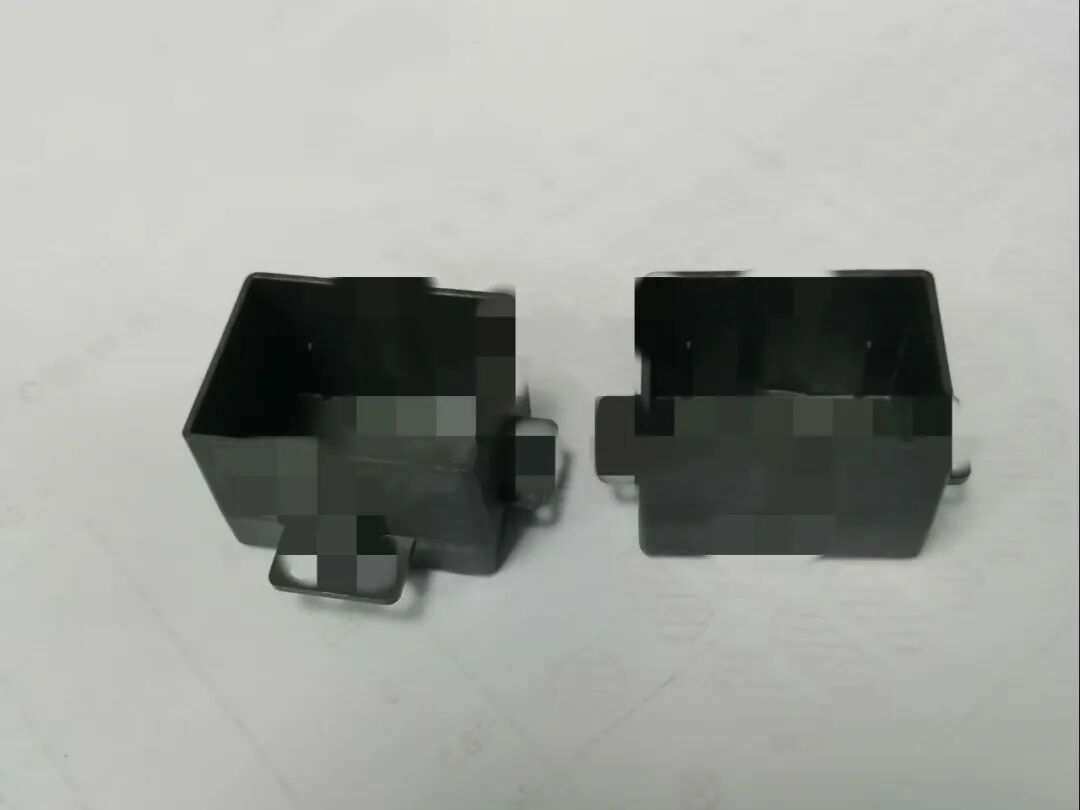
①AI server power module bracket
These components are constantly in a high-temperature environment, and ordinary engineering plastics are prone to heat accumulation.
Nanpan high thermal conductivity PPS can maintainInsulation and Structural StrengthAt the same time,Help heat transfer and diffuse faster, reduce local temperature rise.
②AI serverPower supply cooling module component
Under high-power operation, the temperature around the heat dissipation module continuously rises, imposing higher demands on the material's temperature resistance and dimensional stability.
Napan high-thermal-conductivity PPSThermal conductivity, flame retardancy, and high-temperature resistanceWhile maintaining insulation, it also serves as a partial heat dissipation path and is suitable for complex structures through integrated injection molding.
③ Liquid cooling system surrounding connections/support components
In liquid cooling systems, certain connections and support structures must simultaneously meet requirements for heat resistance, electrical insulation, and dimensional stability.
Napan High Thermal Conductivity PPSIt can not only maintain structural stability, but also reduce heat accumulation in localized areas.
Meanwhile, as the power density of AI servers continues to increase, high-thermal-conductivity PPS will find broader application scenarios in AI servers.It is also continuously expanding.

The competition for AI computing power is not only a competition of chips, but also a competition of cooling and materials.
From “thermal insulator” to “thermal conductor”Napang high thermal conductivity PPS offers AI server engineers a whole new level of design freedom.— No longer need to make difficult choices between "lightweight" and "heat dissipation", "insulation" and "efficiency".
【Copyright and Disclaimer】The above information is collected and organized by PlastMatch. The copyright belongs to the original author. This article is reprinted for the purpose of providing more information, and it does not imply that PlastMatch endorses the views expressed in the article or guarantees its accuracy. If there are any errors in the source attribution or if your legitimate rights have been infringed, please contact us, and we will promptly correct or remove the content. If other media, websites, or individuals use the aforementioned content, they must clearly indicate the original source and origin of the work and assume legal responsibility on their own.
Most Popular
-

Dreame Launches All-Solid-State Battery Sedan With Energy Density Exceeding 450Wh/kg
-
Wanhua Chemical Announces Key Investment Directions for 2026
-
April new energy vehicle sales rankings released: Leapmotor Tops With 70,000 Units, Xiaomi Up 50% Month On Month
-
Key Players: The 10 Most Critical Publicly Listed Companies in Solid-State Battery Raw Materials
-

Trump Says Iran's New Proposal Unacceptable; Major Oil Producers Announce Output Increase, Oil Prices Drop at Open