Strait of Hormuz Blocked Again, Supply-Demand Mismatch in Polyolefin Market Set to Intensify!
In recent times, geopolitics has become the core variable driving polyethylene and polypropylene futures markets, and the two blockades of the Strait of Hormuz have pushed this influence to a new level of structural pricing. As the global hub of core polyolefin supply, repeated interruptions to Middle Eastern production capacity and export routes are reshaping polyolefin futures’ risk premiums and valuation center through three channels: rising costs, shrinking supply, and a reassessment of supply chain security. In July 2026, the strait again fell into a de facto blockade, Brent crude prices surged from $75 at the end of June to above $90, and global shipping volume plunged by more than 90%. However, unlike the intense panic that gripped the market three months earlier, this time traders responded with muted pricing. To understand this difference, it is necessary to unpack the essential distinction between the two “blockades” of the strait: this is not merely a repeat of geopolitical conflict, but a fundamental restructuring of the market’s logic for pricing geopolitical risk.
First Lockdown (March-April 2026): Chips on the Negotiation Table and Market Peace Expectations
After the outbreak of the U.S.-Iran war on February 28, 2026, Iran quickly blocked the Strait of Hormuz. On March 2, the Islamic Revolutionary Guard Corps announced the closure of the waterway, bringing the passage that carries about 20% of global oil shipments to a near standstill. On March 8, Brent crude broke through $100, touching an intraday high of $126. But the defining feature of this blockade was that the market still believed “peace would come.”
On April 13, the US and Iran held 21 hours of talks in Islamabad. Although the negotiations failed, there was an expectation for "second-phase consultations." On April 18, Iranian Foreign Minister Zarif announced that the Strait was "fully open," which Trump promptly confirmed on social media. That day, Brent crude oil plummeted over 10%. The market's ability to price in "peace signals" still exists— even just verbal commitments are enough to trigger a significant drop in oil prices.
The essence of the first blockade in April was a psychological game. The two sides were locked in a contest at the negotiating table, with the strait blockade serving as a “bargaining chip.” Market sentiment was repeatedly pulled back and forth, but the underlying logic had not yet collapsed. At the time, the world still had a 50-day inventory buffer, and Chinese refineries took the initiative to reduce imports while waiting for prices to fall. The market could afford to treat it as a “cry wolf” scenario and keep circling with Iran, betting that peace would come.
Second Lockdown (July 2026): Credit Overdraw and Cost Fixation After Agreement Breakdown
On July 8, the United States launched a new round of airstrikes on the grounds that Iran had attacked merchant ships and revoked licenses for oil sales. On July 14, Trump announced that the ceasefire agreement was “over,” reinstated the blockade, and declared himself the “guardian of the strait.” Iran then announced the “indefinite closure” of the strait, and the two sides entered a tit-for-tat cycle of escalation.
The essence of the second blockade was entirely different: it was a structural repricing after a “credit collapse.” The memorandum of understanding signed on June 17 was seen by the market as an “anchor of peace,” but three weeks later the agreement formally broke down, completely exhausting the market’s trust in “peace signals”—any statement about “successful negotiations” was now worthless in traders’ eyes. In May, the mainstream market narrative was that “the war will eventually end, and equities can price in a peace premium in advance”; by July, that narrative had collapsed. Citi analysts noted that traders had shifted to a mode in which “geopolitical events are priced as lasting for months,” and the geopolitical premium’s ability to “return to zero” had been permanently destroyed.
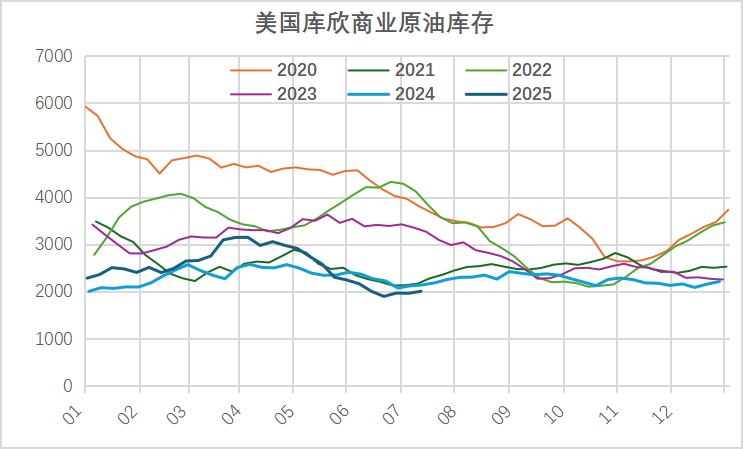
At this point, the market’s fundamentals have undergone a qualitative shift: inventories at Cushing have fallen below the 20 million-barrel operating threshold, while China has entered the peak pre-stocking season of September and October with its lowest inventory levels in a decade. The essential difference between these two blockades has determined that a “new floor” for oil prices has already formed—not a specific price point, but a fundamental change in how the market prices geopolitical risk. Even if the strait reopens in the future, the costs of restructuring supply chains have already been permanently embedded, and any statements about peace will never again trigger a 10% collapse in oil prices the way they did on April 18.
Key Differences Between the Two Blockades
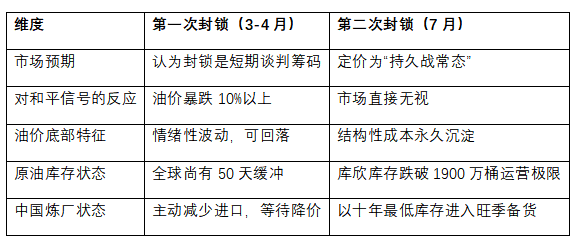
The reconstruction of pricing logic marks the transformation of the Strait of Hormuz from a "temporary bargaining chip" in geopolitics to a "structural risk factor" in the global energy market. When the bankruptcy of trust becomes the norm, the market no longer pays for "peace expectations," but instead pays a permanent premium for "uncertainty itself."
Author: Zhou Yongle, Senior Market Analysis Expert
【Copyright and Disclaimer】This article is the property of PlastMatch. For business cooperation, media interviews, article reprints, or suggestions, please call the PlastMatch customer service hotline at +86-18030158354 or via email at service@zhuansushijie.com. The information and data provided by PlastMatch are for reference only and do not constitute direct advice for client decision-making. Any decisions made by clients based on such information and data, and all resulting direct or indirect losses and legal consequences, shall be borne by the clients themselves and are unrelated to PlastMatch. Unauthorized reprinting is strictly prohibited.
Most Popular
-
PEEK Sector "Crowded"! Giants Cross Over to Challenge Global Leadership
-
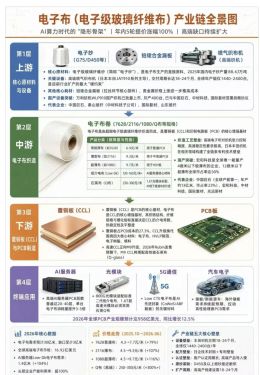
AI Computing Power Demand Ignites Electronic Fabrics! China Jushi Hits Limit Up! Domestic Substitution Welcomes Golden Window
-
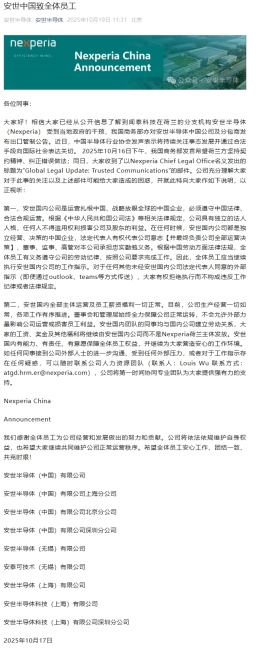
Anshi semiconductor's new progress! power semiconductor giant stalls, global automakers caught in chip war
-

Focus on going global! kingfa sci. leads, huitong, preter, and kumho nire follow, china’s modified plastics frenziedly expanding worldwide
-

Virgin Material Market Weakens, Recycled PP Remains Under Pressure at Low Levels