



Resin Market Trends Diverge: Buyers' Bargaining Advantage Hit by Geopolitical Uncertainty
In many resin markets, buyers hold the strongest bargaining power seen in years. However, sharp price increases in crude oil and benzene, driven by geopolitical conflicts, have directly reversed price expectations for the five major resin categories.
In July 2026, the resin market presents a dual opportunity: buyers have ample room for negotiation in polyethylene, polypropylene, polyvinyl chloride, and polyester (PET), while the negotiation window is narrowing for resin categories tied to the benzene value chain.
In July 2026, the resin market briefly entered one of the most buyer-friendly conditions seen in years. But the situation changed abruptly this week: the military conflict between the United States and Iran escalated again, and shipping through the Strait of Hormuz was blocked, driving crude oil prices up by nearly USD 7 per barrel. These two market realities now coexist. The key question is which market trend is driving your current commercial negotiations—and how much time you still have to seize the favorable window.
The current market can be likened to two summer scenes. The first is a clear, cloudless sky: multiple positive factors are emerging at once, including inventory levels, raw material trends, and no planned price increases by manufacturers, so the procurement window is fully open. The second starts off fairly well, but storm clouds are gathering offshore, and the market in the afternoon will be completely different from the morning—this kind of weather was very common in the Gulf Coast area of Florida where I grew up.
Market clarity categories: Polyethylene, Polypropylene, Polyvinyl Chloride, Polyester (PET)
First, look at the major resin categories with clear fundamental trends.
Polyethylene inventories increased for the third consecutive month last month. June contract prices fell sharply, dropping by more than ten cents per pound, and monitoring from the Resin Intelligence Platform indicates that July contract prices may decline by another ten cents or so. Producers have not proposed any price increase initiatives. Spot ethylene prices were largely flat this week. New capacity along the U.S. Gulf Coast is mainly targeted at export markets, further reinforcing expectations of ample domestic feedstock supply. The situation is very clear: producers’ current core objective is to work down inventories, not to push prices higher.
The polypropylene market is similar, but there is one key detail to watch. Inventories were drawn down somewhat in June, but overall market supply remains ample and end-user demand is weak. This week, spot propylene monomer prices edged up from $0.40/lb to $0.47/lb, driven entirely by propane dehydrogenation unit outages: two INEOS PDH units were shut down in succession, Dow’s Freeport site entered a maintenance period, and Phillips 66’s Bayway unit turnaround is rumored to be extended into August. These fluctuations are all production-side disruptions, not signals of a recovery in demand. The underlying supply-demand balance still favors buyers, and producers have not issued any July price increase notices.
PVC inventories surged sharply in June, even though June is traditionally the peak demand season for the construction and real estate sectors. Sellable industry inventory turnover days approached 20 days, demand-side shipments declined year on year, and export orders shrank substantially. Manufacturers have not introduced any price increase plans for July at all. Even during the traditional peak sales season, the real estate market is unable to absorb the existing circulating inventory, and PVC buyers continue to hold a structural bargaining advantage over the long term.
Polyester (PET) prices continue to trend downward under pressure from upstream feedstocks, with the July contract price expected to decline by about 4.5 cents per pound, in line with the ongoing weakness in paraxylene (PX) and purified terephthalic acid (PTA) prices. Peak summer beverage demand has only stabilized order volumes and has not been enough to reverse the downward price trend. Buyers should closely monitor hurricane season risks in the Gulf of Mexico during the third quarter, as a large concentration of PET and upstream polyester feedstock production facilities is located in the region. Any unexpected outage could quickly tighten market supply in the latter part of Q3, making the current period the best time to lock in purchase volumes.
The procurement strategy for the above four types of resins is consistent: negotiate proactively and strive fully for concessions; do not misinterpret short-term raw material fluctuations as a structural recovery in producers’ bargaining power.
Storm Warning Categories: Polystyrene, Acrylonitrile Butadiene Styrene Copolymer, Polycarbonate, Nylon 66, Nylon 6
This week's geopolitical conflicts have completely changed the market expectations for these five types of resins.
The production costs of these five resins are all closely tied to benzene. At the beginning of this week, the fundamentals of all five products were initially favorable to buyers: the July benzene contract price was finalized at a much lower level, falling by more than $1.25 per gallon compared with June, laying a cost basis for price cuts this month in polystyrene, ABS, polycarbonate, and nylon series resins; the price of caprolactam, the key feedstock for nylon 6, also declined significantly.
However, crude oil market conditions changed abruptly. The escalation of the U.S.-Iran conflict and pressure on shipping through the Strait of Hormuz pushed West Texas Intermediate crude prices from $72.08 per barrel to $78.95 per barrel, while benzene spot prices rose in tandem from $4.35 per gallon to $4.80 per gallon. This volatility will not affect the already finalized July benzene contract and will only impact the August contract. If benzene spot prices remain elevated or continue to rise, the August benzene contract settlement price will be higher than the market had expected last week. The cost relief originally expected to be passed on to buyers of five major resin categories in the third quarter may now be delayed until late in the fourth quarter, or even later.
The polystyrene market also has structural variables: INEOS Styrolution announced the permanent shutdown of its 400,000-ton production facility in Channahon, Illinois, due to the company's long-term profit pressures and poor economic prospects. This shutdown only reflects the profitability difficulties faced by producers and will not immediately cause a supply shortage; North America's polystyrene inventory remains sufficiently ample in the short term.
Unified procurement strategy for the five categories of benzene-based resins: complete all pricing negotiations within this week. The agreed July benzene contract price, which is not affected by spot market fluctuations, is the most reliable pricing reference; be sure to seize the current window of valid prices. Do not allow suppliers to use the short-term surge in benzene spot prices as the opening leverage for August price increase negotiations.
Two types of markets
The team that can seize procurement advantages in the current market does not rely on precise market predictions, but rather on accurately identifying favorable windows of opportunity and taking timely action before the market fundamentals reverse.
There are currently two distinctly different procurement windows in the market. The first window is highly favorable, and the cost of waiting is extremely high: buyers of polyethylene, polypropylene, polyvinyl chloride, and PET hold strong bargaining power supported by three advantages—inventory, raw materials, and manufacturers’ planned price adjustments. The second window remains open but is steadily narrowing: July cost data for styrenic resins is clearly favorable for procurement, but the August market will depend entirely on whether this week’s increases in crude oil and benzene can be sustained.
Both types of windows present procurement opportunities, but favorable market conditions will not last indefinitely. Buyers who seize the opportunity and lock in orders while the market is favorable will enjoy much greater profit margins later than their peers who hold cash and wait on the sidelines.
【Copyright and Disclaimer】This article is the property of PlastMatch. For business cooperation, media interviews, article reprints, or suggestions, please call the PlastMatch customer service hotline at +86-18030158354 or via email at service@zhuansushijie.com. The information and data provided by PlastMatch are for reference only and do not constitute direct advice for client decision-making. Any decisions made by clients based on such information and data, and all resulting direct or indirect losses and legal consequences, shall be borne by the clients themselves and are unrelated to PlastMatch. Unauthorized reprinting is strictly prohibited.
Most Popular
-
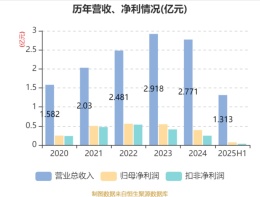
PEEK Sector "Crowded"! Giants Cross Over to Challenge Global Leadership
-
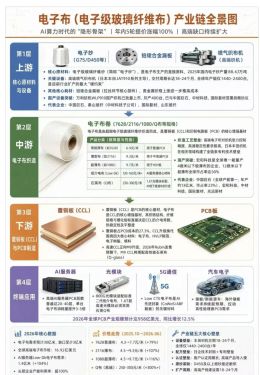
AI Computing Power Demand Ignites Electronic Fabrics! China Jushi Hits Limit Up! Domestic Substitution Welcomes Golden Window
-
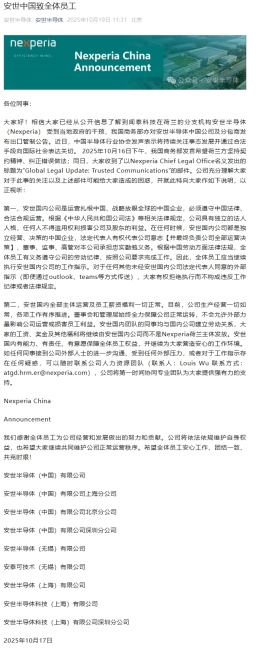
Anshi semiconductor's new progress! power semiconductor giant stalls, global automakers caught in chip war
-

Focus on going global! kingfa sci. leads, huitong, preter, and kumho nire follow, china’s modified plastics frenziedly expanding worldwide
-

Technology, Quality, and Partnership: How Linquan Uplifts the Value Behind "Smartly Made in Danyang"


