



Porsche's electrification: No Gimmicks, All Reality
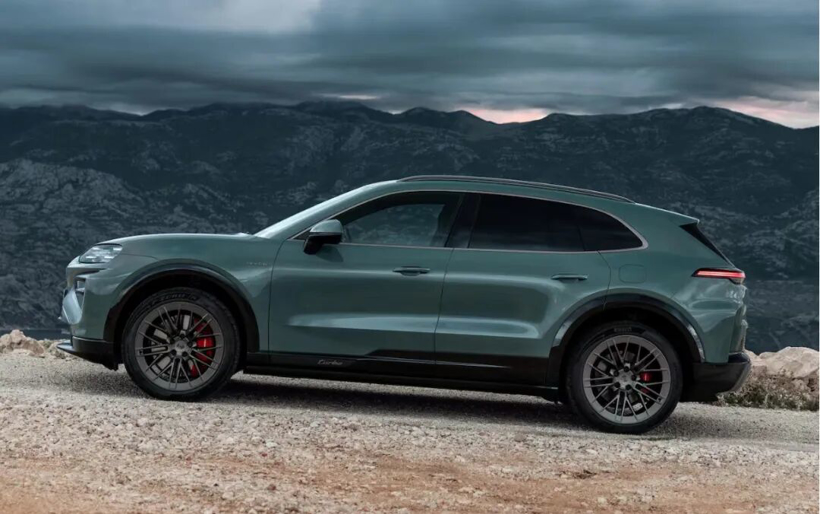
The electric Cayenne made its global debut last November. Porsche started ramping up production of the electric Cayenne in February this year. The new vehicle has just begun small-batch production at the Bratislava plant in Slovakia, with a daily output of only about 10 units. The all-electric Cayenne is scheduled to begin deliveries worldwide this summer.
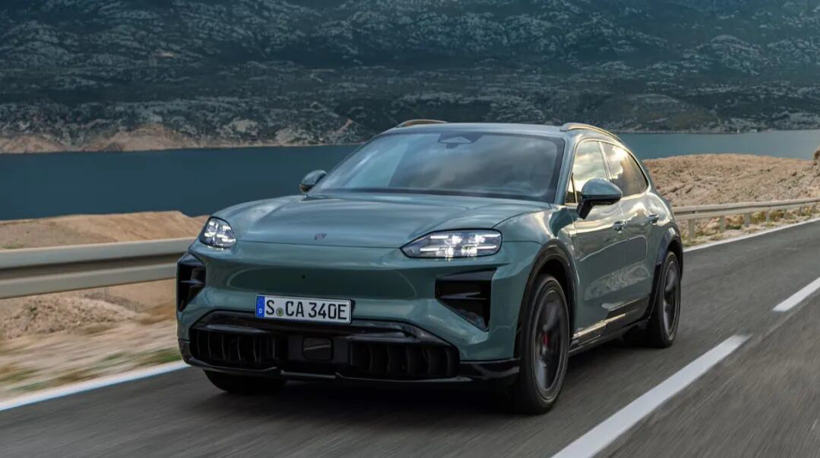
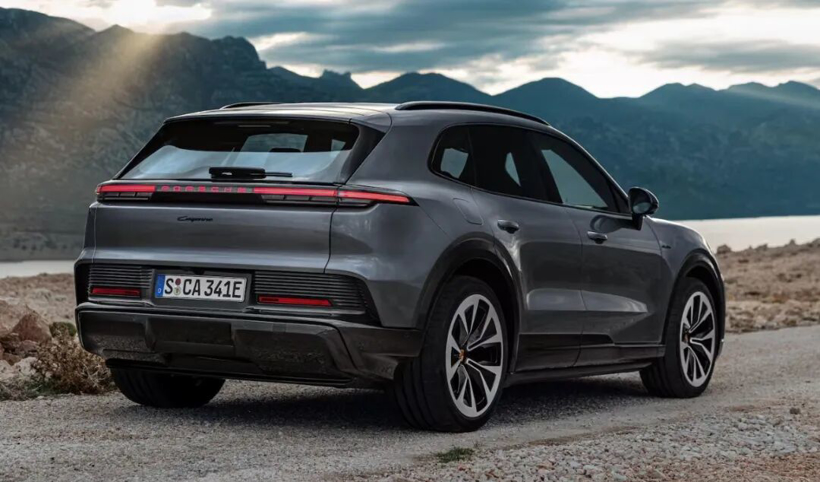
This is Porsche's second all-electric SUV after the all-electric Macan, and also the most powerful production model Porsche has ever made. The Turbo version has a maximum power of 1156 horsepower and accelerates from 0 to 100 km/h in just 2.5 seconds.
Not only that, the all-electric Cayenne features a battery with a usable capacity of approximately 108 kWh, offering a WLTP range of up to 642 km. It also boasts an 800V electrical architecture with a peak charging power of 400 kW, allowing it to charge from 10% to 80% in under 16 minutes under ideal conditions. All of this is thanks to Porsche's in-house developed 113 kWh ultra-large battery pack.
During the test ride experience on the Bratislava test track, media outlets reported that the strong push-back sensation of the all-electric Cayenne during overtaking put a considerable strain on passengers' stomach tolerance. On the test track, the Cayenne drove as steadily as if glued to the ground in banked curves. The vehicle's ability to consistently complete multiple high-performance driving sessions is attributed to a liquid cooling system that enables double-sided temperature control of the battery cells. Britzen stated that this solution is not a universally available off-the-shelf option, but is designed to prevent performance degradation during repeated acceleration.
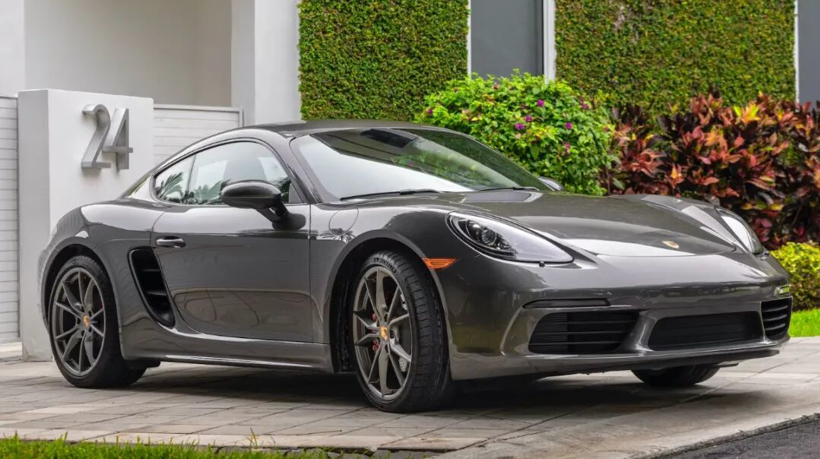
However, amidst the booming launch of the electric Cayenne, reports indicate that Porsche's new CEO, Michael Leiters, may halt the planned all-electric 718 project, revealing Porsche's numerous realistic considerations in its electrification process.
Cayenne's differentiated electrification path
After putting the all-electric Macan into production, Porsche had planned to gradually discontinue the gasoline-powered Macan, with a complete cessation projected for mid-2026. Interestingly, in January of this year, Porsche's former CEO Oliver Blume admitted in an interview that designing the second-generation Macan as an all-electric vehicle was a mistake, and he stated that Porsche is currently increasing its production of gasoline and hybrid vehicles.
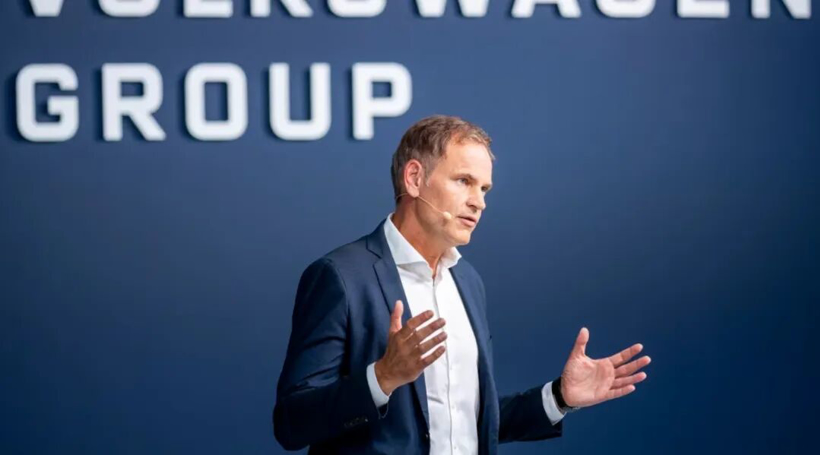
Oliver Blume
The Macan is a pillar of Porsche's revenue. In 2025, the Macan series (including both gasoline and electric versions) delivered 84,000 units, making it Porsche's best-selling model line of 2025. Among them, the pure electric Macan accounted for approximately 60%, while the gasoline-powered Macan is still sold in non-EU markets, but overall sales are gradually decreasing due to the planned discontinuation.
Given the missteps with the Macan, the electrification of the Cayenne is being approached much more cautiously. According to product manager Dirk Britzen, the model is positioned to be sold alongside the combustion engine version, rather than directly replacing it. At the factory in Slovakia, the combustion engine Cayenne still dominates production capacity.
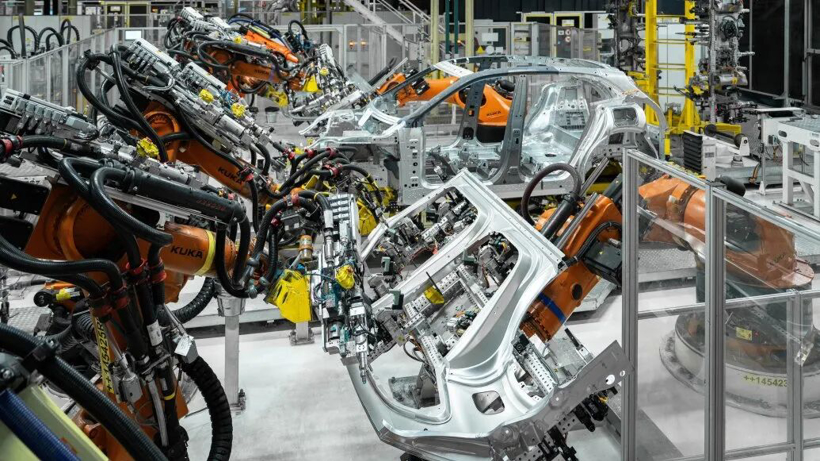
In fact, the all-new electric Cayenne adopts a highly flexible "co-line production" model. Porsche has carried out large-scale modifications to its Bratislava plant in Slovakia, enabling the parallel production of gasoline, plug-in hybrid, and pure electric powertrains on the same assembly line. This is in line with Porsche's electrification strategy.
In 2024, facing a significant divergence in the global luxury car market, Porsche adjusted its previously aggressive all-electric strategy, shifting instead to pursuing a high degree of flexibility in powertrain options. While pure electric vehicles remain Porsche's long-term goal for electrification, plug-in hybrids and internal combustion engines will also support its overall market performance.
Especially the internal combustion engine is where the charm of Porsche's iconic fuel-powered cars lies. Porsche has clearly stated that it will retain internal combustion engines as much as possible, especially in its core model, the 911.
On the technical platform, the all-electric Cayenne is also significantly different from the previous Macan. Although both are built on the PPE (Premium Platform Electric) platform, the Cayenne utilizes a higher-spec version of the platform. In addition to the aforementioned improvements in battery and energy replenishment efficiency, the all-electric Cayenne comes standard with more advanced dual-chamber air suspension and active roll stabilization, and its rear-axle steering angle is greater than that of the Macan to compensate for turning radius issues caused by the longer wheelbase. Furthermore, while the Macan's power ceiling is around 600 horsepower, the all-electric Cayenne introduces more powerful tri-motor or high-power dual-motor configurations, with a maximum power output reaching 1000 horsepower.
The Difficult Road of Battery Management
The impressive performance of the all-electric Cayenne is hard-won, stemming from the numerous challenges Porsche has faced in its electrification journey, particularly regarding battery issues.
In 2024, Porsche issued a global recall for some Taycan models due to the risk of internal battery short circuits.
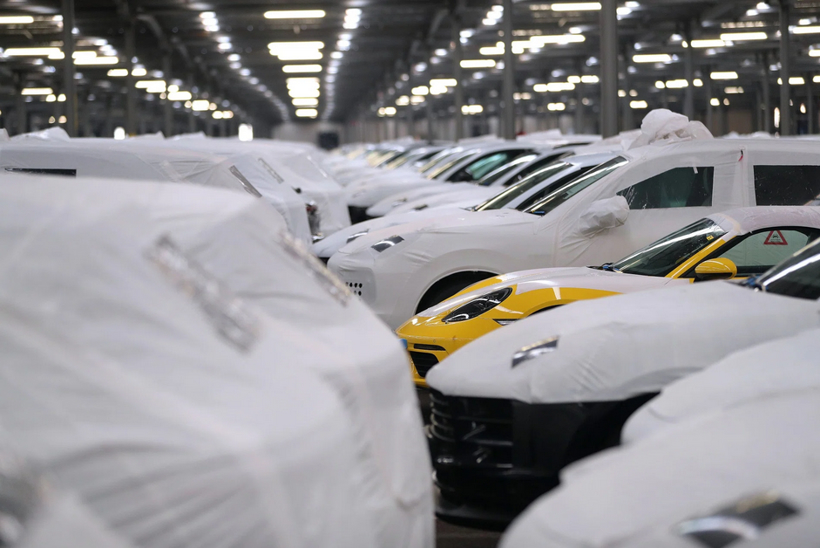
To stabilize the cell production for the 911 hybrid version, Porsche once intervened in the restructuring plan of German battery supplier Varta, the sole supplier of the high-performance cells specifically for the 911 T-Hybrid.
Porsche is also gradually scaling back its battery cell manufacturing plans for the joint venture Cellforce Group. According to the original plan, Porsche would establish a large production base in Tübingen through Cellforce, but due to soaring costs and adjustments to the Volkswagen Group's internal battery strategy, Porsche has shifted to a more flexible procurement strategy.
Furthermore, affected by the delay of the 718 electric project, Porsche also witnessed the termination of battery module production by its Finnish supplier, Valmet.
Battery technology is at the core of an electric vehicle, and Porsche's previous experiences have, to varying degrees, impacted the stability of its battery supply chain, prompting Porsche to re-evaluate the extent and scale of its involvement in battery production.
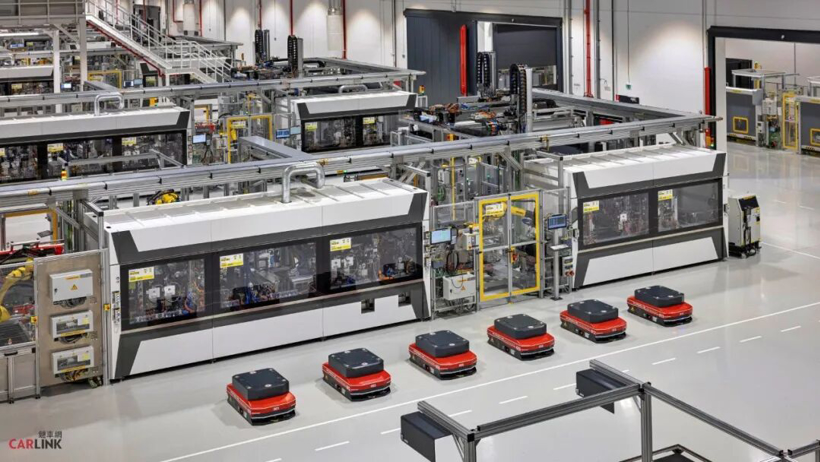
To produce the all-electric Cayenne, Porsche opted to increase vertical integration by insourcing battery module production through collaboration with its in-house toolmaking company, Porsche Werkzeugbau GmbH. To this end, Porsche built a new smart battery workshop in the Slovakian town of Horná Streda, focusing on assembling externally sourced battery cells into high-performance battery modules. Equipped with approximately 150 workers and 370 robots, the workshop operates on a two-shift basis and can produce up to 132 battery modules per hour.
Porsche calls this workshop a smart factory because of its digital management and quality control. In it, every production step has real-time data monitoring and analysis, ensuring the highest standards of electrostatic protection and cleanliness. "With the smart battery workshop, we are combining decades of industrialization experience with state-of-the-art battery technology – encompassing every phase from cell handling to fully automated end-of-line testing," says Markus Kreutel, Chairman of the Executive Board of Porsche Werkzeugbau GmbH. "This end-to-end vertical integration allows Porsche to control the quality, precision and scalability of this key technology, which will significantly impact our future."
In the past, Porsche had a low degree of vertical integration and relied heavily on suppliers for core components. However, according to Albrecht Reimold, Head of Production, "For components with extremely high technical complexity and where we possess core technology, we choose to manufacture them ourselves." The Cayenne's battery is a structural component integrated into the vehicle's frame, while also serving a safety protection function.
Reimold declined to disclose sales targets for the all-electric Cayenne. In 2025, production of the combustion-engine Cayenne will reach 80,900 units, second only to the Macan.
For Porsche, the new electric Cayenne has already achieved significant improvements in range and charging speed. Engineers have also given the new car a towing capacity of 3.5 tons, which is quite impressive for an electric vehicle. In addition, the all-electric Cayenne is the first to feature wireless charging, allowing for cable-free home charging. Undoubtedly, with such significant investment in electrification, Porsche has high sales expectations for the all-electric Cayenne. However, whether the new all-electric Cayenne can convert Porsche customers loyal to gasoline vehicles to electric mobility remains to be seen in a few months.
Potentially stalled 718 electric project
Macan and Cayenne SUVs are currently Porsche's sales pillars, especially the Cayenne. From flexible co-line production layouts and integrated battery structural components to an 800V architecture and wireless charging configuration, Porsche is almost completely investing its resources in it. In contrast, the 718 pure electric project may be suspended.
Reports suggest that Michael Leiters may halt the planned all-electric Boxster and Cayman (both 718 series) projects due to soaring costs stemming from an overly aggressive electrification strategy. These discussions are internal company decision-making matters.
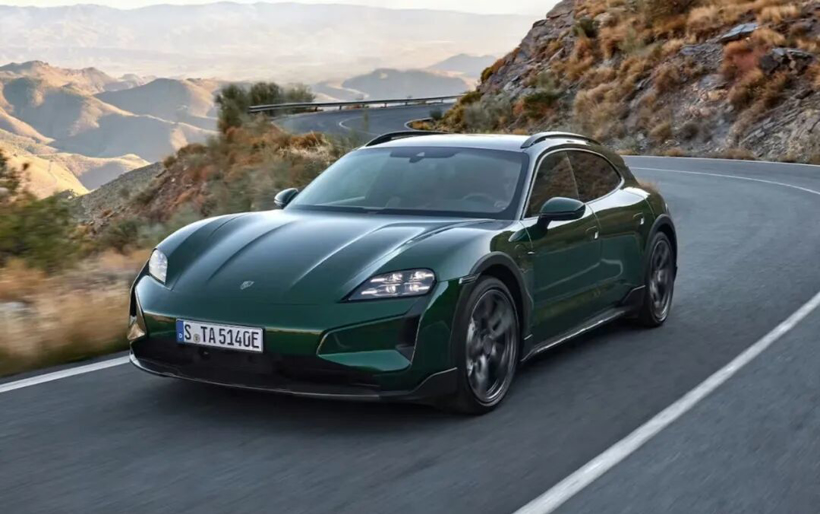
In 2025, Porsche's deliveries in the Chinese market plummeted by 26%, and coupled with the costs of scaling back the electric transformation strategy, the brand is facing a tight budget. Canceling the all-electric versions of the Boxster and Cayman may be inevitable. For many years, the gasoline-powered versions of these two models have been a relatively affordable entry point into the Porsche brand for consumers, with a starting price of around €70,000. The series officially ceased production in October 2025.
It is also reported that Porsche internally discussed adding a plug-in hybrid version to the 718 series, but some believe that this plan would only complicate the project. Plug-in hybrid models require a new chassis architecture, which would delay the project by several years. By then, Porsche's product technology may lag behind the industry, while the brand currently needs new products to boost market enthusiasm.
European media pointed out that halting the 718 series project is only one of Letes's alternative options, and he has not made a final decision yet.
Taking over from Blume as Porsche CEO in January this year, Lardies faces dual pressures: stringent cost control and addressing lower-than-expected demand for Porsche's electric vehicles, leading to low factory capacity utilization. The stalled 718 electrification project is just one aspect of the electric vehicle problems he inherited. Porsche originally planned to launch the all-electric successor to the 718 as early as 2026. With 2024 being the last full year of production for the gasoline-powered 718, Boxster and Cayman sales increased by 15% year-on-year, reaching 23,000 units.

Michael Leiters
Over the past year, Porsche has lowered its earnings forecast four times, with the decline in performance also affecting its parent company, Volkswagen Group. Last year, Porsche's stock was removed from the German DAX blue-chip index, after which the company pledged to improve its financial performance. Leiters' appointment has boosted market confidence to some extent and ended the controversial model of Blume simultaneously serving as CEO of both Porsche and Volkswagen Group.
Liters, former CEO of McLaren Automotive, has a strong track record of success, having spearheaded the development of hybrid models during his previous tenure at Porsche. In this new role, he will also need to negotiate with union leaders to advance further cost reduction efforts.
Declining annual performance has prompted Porsche to re-examine its electrification process, refocusing on gasoline-powered and hybrid vehicle businesses. Porsche stated that this shift in electrification strategy will result in a reduction of up to €1.8 billion in operating profit by 2025. At the same time, the brand also needs to cope with import tariff policy challenges in the United States, its largest single market globally.
Porsche still needs time to achieve sustainable performance improvements. CFO Jochen Breckner said last October that while 2025 would be a trough for the company's performance, Porsche is aiming to return to double-digit profit margins in the years after 2026.
Porsche practicality
Although the rapidly receding global demand for electric vehicles has somewhat hindered the electrification of the 718, a market development issue, the progress of electrification projects for the Macan, Cayenne, and 718 within Porsche reveals its commercial essence: capturing the high-volume, high-profit-margin foundation of sales, and reducing the cost of trial and error on lower-margin ventures.
Previously, the relatively niche Taycan saw a significant drop in its global deliveries after launching its pure electric models, forcing Porsche to offer substantial discounts or preferential financing options. This directly led to an increase in fixed costs allocated per vehicle, further squeezing profit margins.
Porsche is counting on the all-electric Macan and Cayenne to reverse the unprofitable electric vehicle situation. These two models happen to have a solid user base, and Porsche can leverage high pricing, high gross profit margins, and its existing user base to achieve a smooth transition, making them a low-risk, high-return core area for electrification.
In contrast, the 718 series, as an entry-level sports car, is priced low with limited gross profit margins. Pure electric R&D investment is high, and market demand is uncertain, making it a high-risk, low-return electrification experiment. For Porsche, which is currently in a period of cost reduction, the failure of the 718 electric project is largely inevitable.
From the progress of several pure electric projects to the adjustment of Porsche's entire electrification strategy, the essence is a shift from a broadly expansive approach to electrification to a profit-first approach, abandoning full-line coverage and focusing on electrifying models that are likely to be profitable.
In addition, many traditional luxury brands face conflicts between the handling DNA and classic design heritage of the gasoline car era and the new architectures, core e-powertrains, and disruptive experience design of the new energy era during the electrification process. Practical and more adaptable SUV models like the Cayenne are naturally easier to complete electrification validation than niche sports cars like the 718, which have a stronger brand gene and greater emphasis on performance. Ultimately, Porsche's electrification path is an incredibly realistic and pragmatic one.
【Copyright and Disclaimer】The above information is collected and organized by PlastMatch. The copyright belongs to the original author. This article is reprinted for the purpose of providing more information, and it does not imply that PlastMatch endorses the views expressed in the article or guarantees its accuracy. If there are any errors in the source attribution or if your legitimate rights have been infringed, please contact us, and we will promptly correct or remove the content. If other media, websites, or individuals use the aforementioned content, they must clearly indicate the original source and origin of the work and assume legal responsibility on their own.
Most Popular
-

Sony Joins 13 Chemical Material Firms to Build World's First Renewable Plastic Supply Chain in Electronics
-
Vioneo Abandons €1.5 Billion Antwerp Project, First Commercial Green Polyolefin Plant Relocates to China
-

Polyolefin Monthly Report: Stronger Cost Support, Focus on Downstream Follow-up Before the Holiday
-
BASF and Lanxess Announce Price Hikes! ExxonMobil Commissions Third Advanced Recycling Unit
-
Lutai's Major Equity Change! Uniqlo's Parent Company Joins Hands With Chenfeng to Enter the Market, Creating a "Community of Destiny" in the Textile Industry

