International News Digest:
Raw Material NewsSumitomo Chemical subsidiary launches a new ultra-low-haze recycled polypropylene for headlamp housings.
Automotive News- China’s electric vehicles surpass Japan for the first time, ending 28 years of dominance of Japanese cars in Australia.
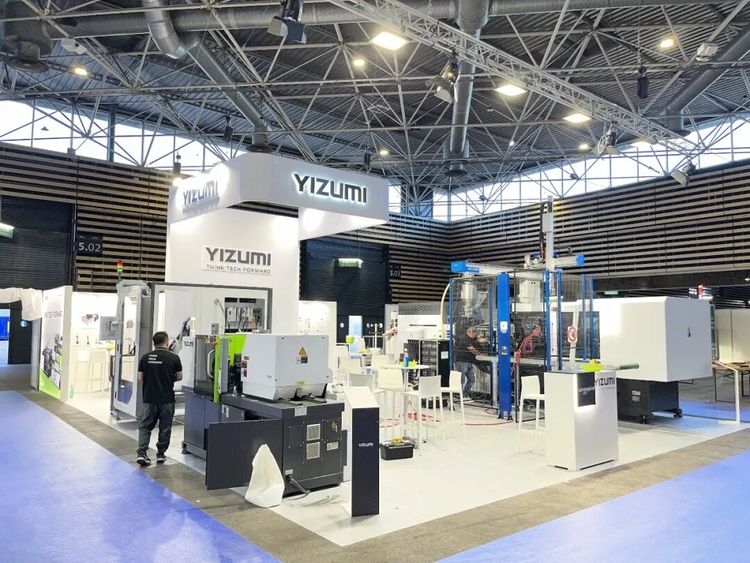
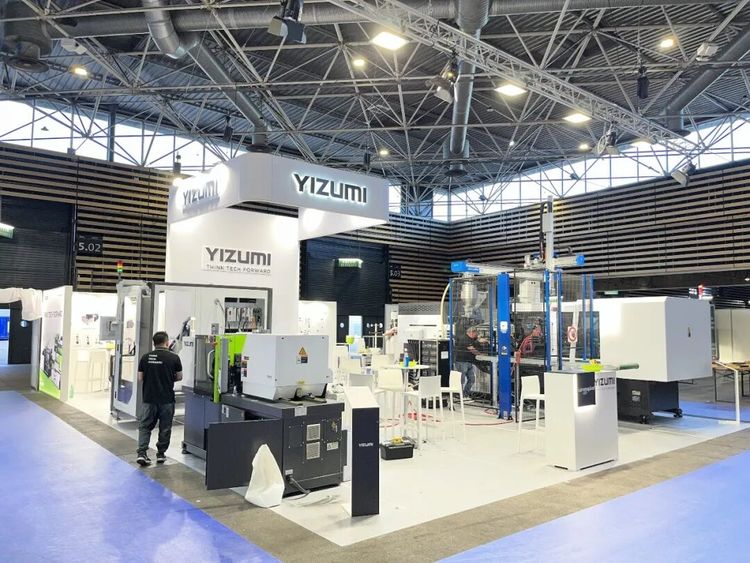
Device HighlightsYizumi Appears at FIP France, Drawing Attention with Its Molding Technology Strength
Electrical NewsMitsui Chemicals’ biomass plastic has achieved mass-production application in transformer components.
Medical NewsFDA approved! The world’s first registered bioprosthetic valve for tricuspid valve indication.
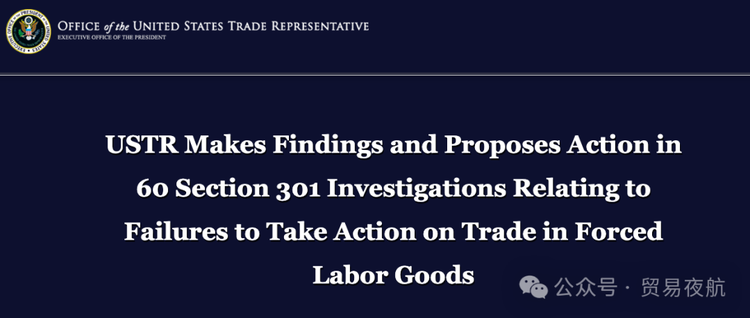
Macroeconomic HeadlinesThe United States plans to impose a 12.5% Section 301 tariff on mainland China and Hong Kong.
Sumitomo Chemical subsidiary launches new ultra-low-fogging recycled polypropylene for automotive lamp housings.
As mandatory regulations on recycled content percentages are set to take effect in Europe, the automotive industry is facing increasingly significant challenges: increasing the use of post-consumer recycled materials while still ensuring that all performance standards required for precision automotive components are met. Automotive headlamp housings are among the most demanding application scenarios.Low atomization performance, thermal stability, and long-term durability performanceThey are all indispensable mandatory indicators.
Sumika Polymer Compounds Europe has developed a new glass fiber reinforced recycled polypropylene modified material - the Thermofil Circle ultra-low haze series (rPPGF), specifically designed to address the aforementioned industry pain points.

This product is made from locally sourced post-consumer recycled materials in Europe. This glass fiber reinforced polypropylene modified material meets the stringent usage standards for headlamp housings, with the fogging index being a core evaluation criterion for headlamp materials. The development of this new product comes as major automotive companies are strategically preparing for the European Union's upcoming stricter regulations on the incorporation of recycled materials.
2. Mitsui Chemicals’ biomass plastics have been mass-produced for use in transformer components.
In the field of electrical equipment, balancing carbon reduction goals with stringent performance indicators has always been a significant challenge in the industry. Mitsui Chemicals has disclosed that its bio-based hydrocarbon derivative products under the BePLAYER™ brand (which include biomass chemical raw materials and biomass plastics) have officially been used in transformer components, helping products achieve both decarbonization and high performance simultaneously.

Benchmarking Against the EU ELV Regulation! Mizuho Leads the Development of a Commercial System for Recycling Semiconductor Waste Plastics for Automotive Use
Recently, a joint research and development initiative led by Japan's financial giant Mizuho Bank has been launched by four Japanese companies to establish a circular business model for plastic resource recycling: regenerating waste plastics generated by the semiconductor industry into materials for automobile manufacturing. This project is based in Kyushu, Japan, which is not only a traditional hub for the automotive industry but is also seeing continued investment in the semiconductor sector from companies like TSMC.

4. Yizumi makes an appearance at France’s FIP, drawing attention to its molding technology strength.
From June 2 to 5, local time, the FIP France Innovation Plasturgie, the French Plastics and Composite Materials Exhibition, was held at the Eurexpo exhibition center in Lyon, France. This exhibition is held every two years and provides a platform for exhibitors from around the world to showcase the latest products and technologies, as well as to exchange industry information and experiences.
YIZUMI (Booth No. O18) is participating in France’s FIP together with its local partner Euromaplast, showcasing the FF300 electric injection molding machine, the FF15 precision micro all-electric injection molding machine, the SpaceA Gen2 industrial 3D printer, and integrated solutions.
5. Approved by the FDA! The world’s first bioprosthetic valve registered for a tricuspid valve indication.
Among the four valvular positions in structural heart disease, the tricuspid valve has long remained the most neglected. While the aortic and mitral valves have undergone more than a decade of iterative development in transcatheter devices, the surgical bioprosthetic market for the tricuspid valve has continued to make do with devices adapted from those designed for the aortic or mitral positions.
Edwards Lifesciences (NYSE: EW) recently announced that it has received pre-market approval from the FDA for Triformis Resilia, becoming the first surgical biological valve specifically designed for the anatomical position of the tricuspid valve and approved for tricuspid valve disease. According to the timeline previously disclosed by the company during its Investor Day in December 2025, the U.S. launch plan for Triformis is set for the second half of 2026, and this approval coincides perfectly with that window.
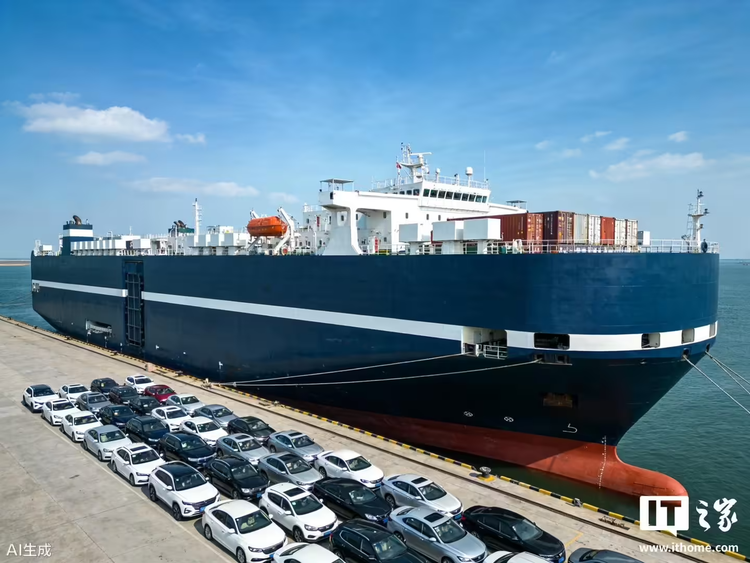
6. For the first time surpassing Japan, Chinese electric vehicles end the dominance of Japanese cars in Australia for 28 years.
According to a report by CCTV yesterday, in February this year, China’s automobile arrivals surpassed Japan’s for the first time.It ended Japanese cars’ 28-year dominance in the Australian market.In the local market, Chinese electric vehicle brands have become the absolute main force. A similar situation has occurred in South Korea. In the European market, Chinese automotive brands have also achieved historic breakthroughs. Moreover, the interest of American consumers in Chinese electric vehicles is continuously rising, with influencers on social media platforms unabashedly expressing their fondness for Chinese car brands.
7. Japanese automakers flee to India
Japanese automakers such as Toyota, Suzuki, and Honda have decided to place their bets on India.
According to the website of India’s “Brand Quality Foundation,” three automakers will invest nearly $11 billion in India to build factories, expand production capacity, and boost exports.
Overseas macro markets:
Breaking: The United States plans to impose a 12.5% Section 301 tariff on mainland China and Hong Kong.
Local timeOn June 3, 2026, the Office of the United States Trade Representative (USTR) issued a Section 301 investigation notice titled “Findings and Proposed Actions in the Section 301 Investigation of Countries’/Regions’ Failure to Implement and Effectively Enforce Import Bans on Products Made with Forced Labor,” stating that it would impose additional Section 301 tariffs of 10% and 12.5% on imports from 60 economies, including China, Japan, India, South Korea, and Vietnam, on the grounds that these economies “failed to implement and effectively enforce import bans on products made with forced labor,” thereby meeting the conditions for punitive tariffs under Section 301.
The United States plans to impose additional tariffs in tiers: an extra 10% tariff on all products from economies that have enacted legislation or made treaty commitments to implement bans, or that have introduced partial regulatory controls; and an extra 12.5% tariff on all products from other economies.
[World Economic Forum: Geoeconomic fragmentation may cause global losses of over $300 billion annually]
A report released by the World Economic Forum on June 4 stated that, driven by rising geopolitical tensions, concerns over economic security, and shifts in trade relations among major economies, geoeconomic fragmentation is accelerating in 2025 and 2026 and is expected to cause annual losses of between USD 213 billion and USD 307 billion to the global economy.
Pakistani Foreign Ministry spokesperson: Pakistan welcomes the United States’ efforts to facilitate a ceasefire between Lebanon and Israel.
On June 4, a reporter learned that Pakistan’s Foreign Ministry spokesperson Andarabi said at a press conference that Pakistan welcomes the efforts made by the United States to help bring about a ceasefire between Israel and Lebanon.
Iran’s Supreme Leader issues a written message calling for unity
On the 4th, Iran’s Supreme Leader Mojtaba Khamenei said in a written address: “I hope everyone will stand firm, remain clear-headed, uphold unity and mutual trust, and refrain from aligning with the enemy, so as to thwart the enemy’s schemes.”
[In order to ensure the long-term: The principled statement reached by Israel and Lebanon includes "guaranteeing Israel's freedom of action."]
On the 4th, reporters learned that Israeli Defense Minister Katz said the principled statement reached by Israel and the Lebanese government in Washington includes the following specific points: disarming Hezbollah in Lebanon; removing Hezbollah militants from the area south of the Litani River; keeping the Israel Defense Forces in the “security zone”; and ensuring Israel’s freedom of action.
[Iranian Foreign Minister: If Israel attacks Beirut, Iran will respond firmly]
According to Lebanese media reports on June 3, Iranian Foreign Minister Araghchi recently reaffirmed support for Lebanon in an interview. He said that if Israel attacks the Lebanese capital, Beirut, Iran’s armed forces will resume fighting and strike targets inside Israel. Araghchi reiterated that if Iran and the United States ultimately reach an agreement to end the conflict, the agreement will cover all fronts, in particular ensuring a halt to military operations against Lebanon.
Price Information:
The RMB midpoint rate against the U.S. dollar was set at 6.8203, down 19 pips; the midpoint rate on the previous trading day was 6.8184, the official closing rate on the previous trading day was 6.7720, and the night session closed at 6.7793.
Upstream raw material USD market prices
On June 3, CFR Northeast Asia was stable at USD 930/ton, and CFR Southeast Asia was stable at USD 1,100/ton.
The average FOB Korea price for propylene in Northeast Asia fell by USD 30/ton to USD 1,150/ton, while the average CFR China price fell by USD 20/ton to USD 1,170/ton.
North Asia refrigerated cargo CIF prices: propane at USD 856–866/ton; butane at USD 906–916/ton.
South China refrigerated cargo CFR prices for July delivery: propane at USD 927–937/mt; butane at USD 987–997/mt.
Taiwan region CIF price for refrigerated cargoes: propane at USD 856-866/ton; butane at USD 906-916/ton.
[LLDPE US dollar market price]
Film: USD 1,300/ton (CFR Huangpu);
[HDPE USD Market Price]
Film: $1270/ton (CFR Huangpu);
Hollow: $1360/ton (CFR Yantian);
Injection molding: $1350/ton (CFR Yantian);
[LDPE USD Market Price]
Thin film: USD 1,430/ton (CFR Huangpu);
[PP USD Market Price]
Homopolymer: USD 1,400/MT (CFR Huangpu);
Co-polymer: 1430 USD/ton (CFR Nansha);
Membrane material: USD 1,580/ton (CFR Huangpu);
Transparent: USD 1,500/ton (CFR Huangpu);
【Copyright and Disclaimer】The above information is collected and organized by PlastMatch. The copyright belongs to the original author. This article is reprinted for the purpose of providing more information, and it does not imply that PlastMatch endorses the views expressed in the article or guarantees its accuracy. If there are any errors in the source attribution or if your legitimate rights have been infringed, please contact us, and we will promptly correct or remove the content. If other media, websites, or individuals use the aforementioned content, they must clearly indicate the original source and origin of the work and assume legal responsibility on their own.