



Must-see! top 10 disruptive trends in the packaging industry for 2026: Smart Packaging Will Ignite a Trillion-Dollar Market!
With the arrival of 2026, the packaging industry will continue to thrive as it actively responds to environmental pressures, changing consumer demands, and rapid technological advancements. More and more companies are placing a high emphasis on the sustainability of their packaging strategies, the shaping of their brand image, and the improvement of production efficiency. Here are some key packaging trends expected to have a profound impact on the entire industry by 2026.
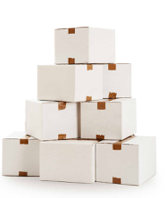
Looking ahead to 2026, sustainable packaging will continue to be at the forefront of industry development trends. With the continuous improvement of relevant regulations and the growing environmental awareness among consumers, major companies will continue to adopt more eco-friendly materials and actively work to reduce their carbon footprints. Packaging made from biodegradable, compostable, and recyclable materials will dominate the market.
Moreover, many companies are also focusing on the construction of closed-loop recycling processes, that is, reusing packaging materials within the framework of a circular economy to minimize resource waste. Various brands are expected to adopt a more minimalist design style to effectively reduce material usage and waste, while innovative plant-based materials such as mushroom and corn starch packaging are increasingly receiving widespread attention.
Smart packaging will be widely used to enhance transparency in the supply chain, providing real-time accurate data for inventory management, and implementing effective anti-counterfeiting measures to ensure product safety. Various brands will leverage these advanced technologies to significantly increase consumer engagement while further enhancing the transparency of their sustainability efforts.
As e-commerce continues to flourish, customized and personalized packaging is expected to gain greater momentum by 2026. Today's consumers, especially for direct-to-consumer brands, increasingly expect tailored packaging experiences. More and more companies are adopting personalized designs, information, and custom inserts to establish closer emotional connections with customers. The shift to digital printing will enable businesses to create unique on-demand custom packaging more conveniently, without the need for large-scale traditional printing, effectively reducing waste and providing greater production flexibility.
A concise and minimalist design style can effectively attract consumers' attention, as these designs often convey the concepts of sustainability and simplicity. Minimalist packaging uses fewer materials, making it highly appealing to environmentally conscious consumers.
Additionally, transparent packaging, especially in the food industry, allows consumers to clearly see the product itself, thereby effectively establishing a trust relationship between the brand and consumers. Transparent design also aligns with the growing consumer demand for "clean labels," which enable brands to disclose more critical information about product ingredients and origins on the packaging.
Due to its lightweight and efficient characteristics, flexible packaging will continue to be widely favored in the market. By 2026, forms of flexible packaging such as stand-up pouches, resealable bags, and squeeze tubes are expected to dominate the market. Compared to traditional rigid packaging, flexible packaging uses fewer materials, making it a more sustainable choice. It also offers greater convenience as it is easier to transport and store. It is anticipated that more innovative designs for single-material flexible packaging will emerge in the future, effectively improving its recyclability without compromising packaging performance.
Edible packaging
Edible or easily dissolvable packaging concepts are no longer just a novelty. Edible packaging solutions made from natural ingredients such as seaweed or starch are expected to become increasingly popular by 2026, especially in the food and beverage industry. These solutions not only effectively reduce waste but also offer an exciting eco-friendly alternative to traditional packaging materials. Edible packaging is particularly appealing for disposable products, such as straws, candy wrappers, and portable containers.
With the rapid development of e-commerce, packaging specifically designed for the transportation phase will become crucial by 2026. E-commerce packaging needs to strike an appropriate balance among product protection, sustainability, and brand building. It is expected that simplified packaging will significantly increase, which is not only easy to open but also minimizes material usage. The shift towards lightweight and durable designs will help brands effectively reduce transportation costs while maintaining environmentally friendly practices. Protective liners, cushioning pads, and foldable designs will also play a key role in optimizing the transportation process.
As various brands actively seek ways to reduce waste caused by single-use packaging, reusable packaging models will continue to gain greater momentum. Some companies are already actively implementing recyclable or refillable packaging solutions, particularly for products in categories such as personal care and food.
By 2026, reusable packaging systems are expected to expand into more areas and be robustly supported by subscription services responsible for collecting, cleaning, and reusing these packages. This shift reflects a larger trend of extending product lifecycles as much as possible and actively embracing the concept of a circular economy, which involves using various materials for as long as possible.
As consumers increasingly focus on their health and wellness, packaging designed to ensure food safety and product freshness will remain a top priority for the industry in 2026. By then, packaging materials that effectively maintain product quality and extend shelf life (while minimizing the use of preservatives as much as possible) will become indispensable. Antimicrobial packaging and active packaging technologies are expected to make significant advancements, allowing them to actively maintain or even improve product freshness. This is particularly crucial in industries such as food and pharmaceuticals, where safety and hygiene are of utmost importance.
Lightweight packaging can effectively reduce the amount of material used and significantly lower transportation costs by reducing the overall weight of goods. Looking ahead to 2026, major companies will continue to actively adopt lightweight packaging to reduce their carbon emissions. Ongoing innovations in recyclable plastics, biodegradable materials, and lightweight yet durable materials will enable companies to effectively reduce the environmental impact of packaging without compromising product protection performance.
The future of packaging is deeply rooted in sustainability, convenience, and the development and application of advanced technology. As companies actively seek to meet changing consumer expectations and comply with new regulations, the packaging industry will continue to innovate through the adoption of eco-friendly materials, clever smart designs, and flexible solutions. Companies that actively embrace these trends can not only effectively reduce their environmental impact but also maintain a leading position in an increasingly competitive market.
【Copyright and Disclaimer】The above information is collected and organized by PlastMatch. The copyright belongs to the original author. This article is reprinted for the purpose of providing more information, and it does not imply that PlastMatch endorses the views expressed in the article or guarantees its accuracy. If there are any errors in the source attribution or if your legitimate rights have been infringed, please contact us, and we will promptly correct or remove the content. If other media, websites, or individuals use the aforementioned content, they must clearly indicate the original source and origin of the work and assume legal responsibility on their own.
Most Popular
-
EVA Morning Prices on September 12: Most of the Market Holds Steady, Highest Rise of 50 Yuan
-
[PET Weekly Outlook] Polyester Bottle Chips Expected to Oscillate and Warm Up with Costs Today
-

Top Ten Personnel Changes in the Auto Industry: Insights into Industry Anxiety and Progress | Vision 2025
-

Domo Chemicals Files for Bankruptcy Protection in Germany! B. Braun Launches New Supply Assurance Program
-

List Released! Mexico Announces 50% Tariff On 1,371 China Product Categories

