



Kuwait Raises May Crude Oil Prices To Asia By $17 Per Barrel
The U.S.-Iran negotiations collapsed, and Trump announced the blockade of the Strait of Hormuz, causing a sharp rise in geopolitical risks and pushing oil prices higher.
On April 13, according to a pricing document obtained by Reuters on Monday,Kuwait has raised the official selling price (OSP) for its Kuwait Export Crude bound for Asia in May to $17 per barrel above the Oman/Dubai average. The producer has also increased the OSP for Kuwait Super Light crude for May loadings to $17 per barrel above the Oman/Dubai average.
Previously, U.S. President Trump announced a blockade of the Strait of Hormuz, sparking strong market concerns over the disruption of the Middle East's crude oil transportation channel. As of the time of writing, WTI crude oil prices have risen by more than 7%, and Brent crude oil has increased by over 6.7%.
According to China Central Television, the U.S. Central Command announced on the 12th that it will impose a blockade on all maritime traffic entering and exiting Iranian ports starting at 10 a.m. Eastern Time on April 13, covering all Iranian ports in the Arabian Gulf and the Gulf of Oman. This is the most aggressive step taken by Trump since the military action against Iran launched in late February. According to the Lloyd's Shipping Daily, after the blockade order was issued, shipping in the Strait of Hormuz immediately came to a standstill, with at least two vessels originally departing the strait turning back.
Some analysts support the blockade. Former senior U.S. diplomat Dennis Ross believes that this move cuts off Iran's exports and sources of income, creating a balance of power. Former diplomat Richard Haass said that an "open to all or closed to all" policy helps to build international consensus.
However, more analysts are skeptical about the actual effectiveness.Esfandyar Batmanghelidj, an expert from a British think tank, pointed out that Iran is already in a state of "self-blockade," and the impact of the blockade on its budget is limited. Moreover,Iran has multiple alternative overland routes.Currently, whether the fragile ceasefire agreement signed two weeks ago can hold after the blockade becomes the biggest variable influencing global energy markets.
【Copyright and Disclaimer】The above information is collected and organized by PlastMatch. The copyright belongs to the original author. This article is reprinted for the purpose of providing more information, and it does not imply that PlastMatch endorses the views expressed in the article or guarantees its accuracy. If there are any errors in the source attribution or if your legitimate rights have been infringed, please contact us, and we will promptly correct or remove the content. If other media, websites, or individuals use the aforementioned content, they must clearly indicate the original source and origin of the work and assume legal responsibility on their own.
Most Popular
-
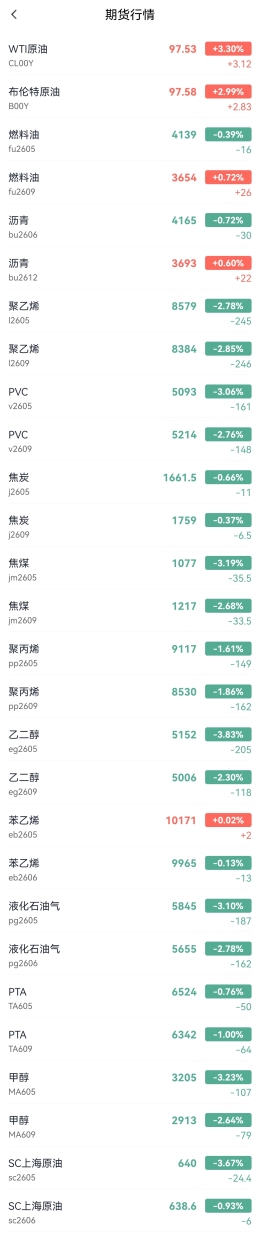
Middle East Tensions Escalate Again? U.S.-Iran Talks Collapse Before Starting, Crude Oil Volatility and Plastic Futures Retreat, Plastics Market Faces New Test
-
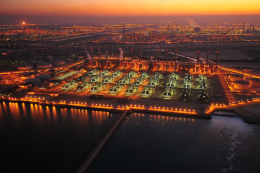
Saudi Core Petrochemical Zone Hit! Trump Issues "Final Deadline" Threat to Iran! Over 5 Million Tons of Production Capacity Halted in April
-
Magna Announces Sale Of Lighting And Roof Systems Business
-

Vimar Launches Linea Switch Range Using Envalior Recycled Material, Cutting Carbon Footprint by Over 80%
-
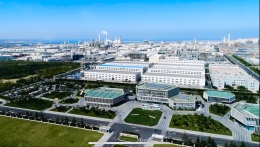
Mdi tariff slashed from 511% to 85%—can wanhua reenter u.s. market?


