



Eu trade defense against china escalates: Quota Limits and Mandatory Multi-Source Procurement Reflect Growing Anxiety Over Europe's Collapsing Chemical Industry
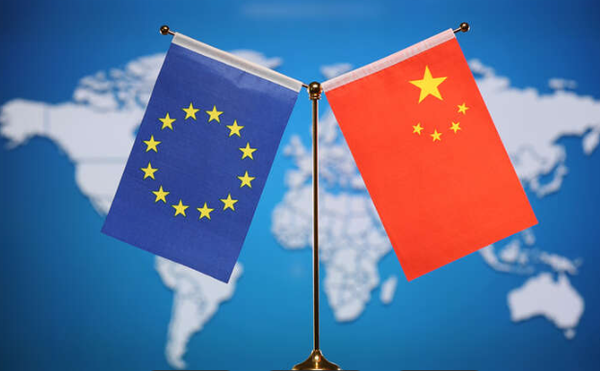
On May 29, the European Commission held a special meeting on economic and trade relations with China, focusing on introducing a series of restrictive measures aimed at protecting European industries, with particular emphasis on China's advantageous sectors such as chemicals, plastics, and new materials. On the same day, China’s Ministry of Foreign Affairs and its Mission to the European Union issued consecutive statements, clearly opposing protectionism, reiterating the mutually beneficial nature of China-EU relations, and expressing their firm resolve to safeguard China’s legitimate rights and interests. A global trade contest centering on the chemical industry chain is rapidly intensifying.
1. A combined offensive: “overcapacity tools” + quotas + high tariffs
This meeting was regarded as a key turning point in the EU’s economic and trade policy toward China, marking a shift toward protectionism. Prior to the meeting, multiple countries jointly proposed the establishment of the so-called“Resilience Tools / Overcapacity Tools”With the intention of bypassing the lengthy traditional anti-dumping and countervailing procedures, it directly sets import quotas in advance — exceeding the quota results in the imposition of high tariffs, making the measure highly targeted.
The EU is also advancing new supply chain regulations, proposing to require companies to have no fewer than three suppliers for key components, with a cap on the proportion of single-source suppliers set at 30% to 40%, thereby compressing the market space for Chinese chemical products from a regulatory perspective. In addition to the previous "Industrial Accelerator Act" and amendments to the "Cybersecurity Law," the EU is institutionalizing protectionism as a policy.
EU officials claim that the move is intended to address “unfair competition” and protect local industries. But the data show that Europe’s industrial difficulties are rooted in its own problems: energy costs remain high, with industrial electricity prices about 158% higher than in the United States and natural gas prices 345% higher; from 2022 to 2025, Europe’s chemical industry saw a cumulative 37 million tonnes of production capacity shut down. Under lobbying from traditional heavy-industry groups, the EU has chosen to use barriers to avoid structural reforms.
2. Precision Strikes: The Chemical and Plastics Industry Chain Becomes a “Severely Affected Area”
The EU's protectionist measures are being intensively directed at the chemical, plastics, and upstream raw material sectors, with both the number of cases and tariff rates reaching record highs.
May 5thFinal ruling on anti-dumping measures against Chinese adipic acid, with tariffs of 29.1%–42.3%. More than 80% of this product in the EU comes from China, while the local industry is very small, making the protectionist intent obvious.
·May 13Preliminary anti-dumping determination on alkyl phosphonic acids and their sodium salts from China, with provisional duty rates as high as 182.9%–219.4%, amounting to near “prohibitive” tariffs.
Early FebruaryPreliminary anti-dumping ruling on 1,4-butanediol (BDO) from China, with duty rates of 105.6%–113.7%, directly impacting key raw materials for biodegradable plastics and polyurethane.
In the newly added trade defense cases in the EU, about half involve chemical products. In 2024-2025, there will be an average of 12 investigations per year, far exceeding historical levels, and there are currently 26 complaints awaiting review.
Meanwhile, the encirclement coalition continues to expand: the United States has launched anti-dumping and countervailing investigations into trimethylolaminomethane, PTMEG, and other products, with requested tariff rates exceeding 400%; at the same time, Australia, South Korea, Brazil, and others have initiated cases against products such as titanium dioxide and solid caustic soda. Chinese chemical and plastic products are facing a systematic global blockade.
III. Intensive Response from China: Opposition to Protectionism and Commitment to Take Necessary Measures
In the face of the EU's increasing pressure, the Chinese side made a series of statements that day, clearly expressing its position and resolute attitude.
Chinese Foreign Ministry spokesperson Mao Ning clearly stated: The essence of China-EU economic and trade relations is mutual benefit and win-win cooperation. China never deliberately pursues a trade surplus with Europe; protectionism will only harm European consumers' interests and weaken the competitiveness of European industries. China is closely monitoring developments and will take necessary measures to safeguard its legitimate rights and interests.
Ambassador Cai Run, Head of the Chinese Mission to the European Union, published a signed article that systematically set out China's position: the China-EU trade surplus is with China, but the gains accrue to Europe; in the field of services trade the EU runs a surplus. Resolving the imbalance requires both sides to meet each other halfway and to resolve differences through dialogue and consultation.
The Ministry of Commerce has repeatedly warned that the EU’s frequent use of trade remedy instruments is typical protectionism and violates WTO rules. According to sources cited by Yuyuan Tantian, China may launch anti-discrimination investigations and industrial and supply chain security investigations; if the EU insists on advancing its “overcapacity tool,” China will immediately take comprehensive countermeasures and fight to the end.
IV. Impact on the Plastics Industry: Short-term Pressure, Long-term Forced Upgrading
For China’s chemical, plastics, and new materials industries, containment by multiple countries has created direct pressure:
·EU market share contractionAdipic acid’s share of exports to Europe has fallen from the long-term level of 22% to around 10%, and export orders for BDO, titanium dioxide, and other products have declined significantly.
· Increasing compliance pressureHigh tariffs erode profits, while quotas and requirements for supplier diversification increase operational complexity.
· Reshaping of the global competitive landscapeProtectionism disrupts industrial chains, forcing companies to accelerate market diversification, move up the value chain through product upscaling, and localize their supply chains.
In the long run, however, protectionism in the EU is tantamount to drinking poison to quench thirst. High-quality and affordable Chinese chemical products have helped Europe alleviate inflation and reduce manufacturing costs; once barriers are raised, the costs for downstream industries such as plastics, processing, and automobiles in Europe will rise, further weakening their competitiveness and trapping them in a vicious cycle of "the more protection, the greater the decline."
V. Conclusion
China and Europe are important economic and trade partners to each other, with deeply integrated chemical industry chains, and protectionism produces no winners. As the contest over rules fully unfolds, Chinese enterprises must not only respond proactively to trade remedy cases and expand into emerging markets to diversify risks, but also increase R&D investment to raise the share of high value-added products, while closely tracking new EU regulations and adjusting supply-chain deployment in advance. Openness, cooperation, and mutual benefit are the only sustainable path. China has made it clear that it will take necessary measures to safeguard its rights and interests. The direction of this game will depend on whether both sides can return to the track of dialogue and consultation.
【Copyright and Disclaimer】This article is the property of PlastMatch. For business cooperation, media interviews, article reprints, or suggestions, please call the PlastMatch customer service hotline at +86-18030158354 or via email at service@zhuansushijie.com. The information and data provided by PlastMatch are for reference only and do not constitute direct advice for client decision-making. Any decisions made by clients based on such information and data, and all resulting direct or indirect losses and legal consequences, shall be borne by the clients themselves and are unrelated to PlastMatch. Unauthorized reprinting is strictly prohibited.
Most Popular
-
A Look at the Material Suppliers Behind SpaceX
-
Eastman France PET Depolymerization Plant: Project "Alive," But Construction Paused
-
Mitsubishi Chemical Plans To Split Petrochemical Business By 2028
-

Bola Carbon Black Announces Global Restructuring of Specialty Carbon Black and Multi-Walled Carbon Nanotube Business
-
Gas Explosion Accident at Shanxi Tongzhou Group Liushenyu Coal Mine Results in 82 Deaths


