According to reports, the European Union is currently considering setting a "Made in Europe" target of up to 70% for specific goods, including automobiles. This move aims to prioritize the procurement of domestic products to reduce the EU's reliance on other countries in the fields of clean technology and certain heavy industries.
According to officials familiar with the draft bill to be submitted on December 10, the policy may force EU companies to procure more expensive European components, resulting in additional costs of over 10 billion euros annually.
The Executive Vice-President of the European Commission responsible for industrial strategy and other matters, Stéphane Séjourné (of French nationality), is currently in charge of this proposal. This proposal also marks the culmination of France's years-long efforts to focus on promoting domestic production strategies, as Europe's struggling industrial sector is currently grappling with competition from cheap imports from Asia.
A European Union official stated, "What we are trying to propose is a delicate balance between the protection that our industrial sector urgently needs and the openness that is especially valued in the European DNA."
It is reported that,Countries like Germany, which previously held a skeptical attitude, have now indicated that in light of the current economic situation, they are more inclined to support the "buy European" rule, which could impact the automotive industry and clean technology sectors such as solar panels.
70% threshold
According to three EU officials, as part of the industrial policy plan, the EU is discussing setting the localization threshold at around 70%. However, the specific targets will vary depending on the importance and dependency of the industry.
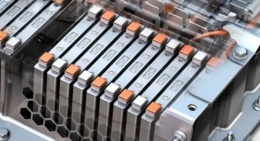
For example, in the automotive sector, future government incentives may only apply to compliant models. Another official stated that battery products will also be required to meet a specific European localization percentage.
The measure only applies to scenarios involving public funds, such as procurement contracts, government-guaranteed loans, and subsidies. Additionally, officials revealed that the EU will also assess the production capacity of various components.
Officials involved in the negotiations have revealed that the act, named the "Industrial Accelerator Act," may still be amended or delayed due to internal disagreements within the European Commission over certain provisions.An official said that ideally, the French commissioner hopes to limit the definition of "Europe" to within the European Union.
It is worth mentioning that the rules of the World Trade Organization generally prohibit member countries from favoring domestic producers, but there are exemptions for security reasons.
According to the EU's proposed new regulations, solar inverters that may pose security risks will have to have their main components manufactured in Europe. "In this case, it will be necessary to increase the localization rate," said an EU official.
However, some officials are currently concerned that products manufactured in Europe may be significantly more expensive than those imported from Asia, which will further increase costs for businesses. Given that many imported goods are used in the production of finished products like cars within the EU, this move could also lead to certain products ultimately exiting the market due to excessively high prices.
The proposal from the European Commission is expected to include provisions mandating public institutions to procure European products and to promote the establishment of a leading market for clean technology. Officials are discussing the establishment of a voluntary "green steel" label to encourage manufacturers to purchase EU steel products that have lower carbon emissions but higher costs.
An EU official stated that the 70% procurement ratio might eventually be lowered, and that negotiations regarding the localization content rules are expected to be difficult.