



Don't let liquidity drag down production capacity: An In-Depth Look at Viscosity Reduction and Pressure Drop Technology in Plastic Modification
In the pursuit of weight loss and miniaturization today, Melt flowability Has become a core variable in modified formulations. Many formulators, when faced with issues such as breakage caused by high filler concentrations, flash caused by excessive cavity pressure, and incomplete filling of complex thin-walled parts, often lack systematic solutions.
This article will take you from... Molecular chain flexibility, internal lubrication mechanism, chemically controlled degradation, and application of processing aids. Systematically solve rheological challenges in production across multiple dimensions, helping you find the golden balance between high performance and easy processing.
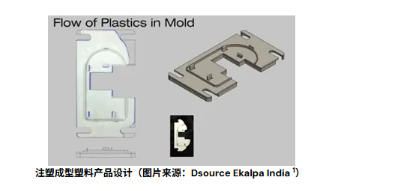
In-depth analysis
How to systematically improve plastic fluidity?
1. Question: Why is poor liquidity a "stumbling block" to production?
Essentially, processing polymers into parts involves forcing a melt through a mold or die. Poor flowability of this viscous fluid (the melt) can trigger a chain reaction of problems.
Molding Challenge Uneven pressure transmission of the melt within the mold leads to insufficient filling (short shot) in thin-walled areas.
Inefficiency Higher processing temperatures and pressures are required, which not only increases energy consumption but also extends the production cycle.
Mold wear Sustained high temperature and high pressure can shorten mold life and increase maintenance costs.
2. Reason: What restricts the "running" of the melt?
The fluidity (typically measured by Melt Flow Index, MFI) is mainly constrained by the following factors:
Molecular weight effect High molecular weight means long chains with severe entanglement between chain segments, leading to high resistance to movement.
Rigid body constraint The more rigid a molecular chain, the weaker its migration ability when heated.
Intermolecular forces Strong hydrogen bonds or ionic interactions can form natural "shackles" that impede flow.
Fill volume interference (core pain point) During compounding, the addition of high concentrations of fillers creates a physical barrier and increases internal melt friction, making it difficult for polymer chains to slide past each other.
3. Solutions: Practical Strategies to Improve Liquidity
To make the melt "flow" or "run", the core idea is to reduce viscosity, which can be achieved through the following means.
Lubrication and Plasticization System
Internal lubrication using elastomers. Blend low-force, flexible chain rubbers with plastics. These rubber particles can migrate between molecular chains under stress, reducing friction.
Low molecular weight plasticizer Increase free volume to make molecular chains move more easily.
Chemical means: Controlled degradation
Peroxide In compounding, organic peroxides are added to initiate chain scission via the generated free radicals. This is particularly common in polypropylene (PP) modification to precisely degrade high molecular weight resin into products with a target melt flow rate.
Processing aid
Professional flow promoters or processing aids This forms a lubricating layer between the melt and the metal wall, significantly reducing shear stress.
Filler surface treatment
In high-loading formulations, use Coupling agent Pretreating the filler to reduce its physical hindrance to polymer flow.
Liquidity optimization is never isolated; it's often accompanied by a trade-off in mechanical properties. As the article states, the interplay between filler content and fluidity, and the balance between molecular weight and toughness, are precisely the subtleties of formulation development.
【Copyright and Disclaimer】The above information is collected and organized by PlastMatch. The copyright belongs to the original author. This article is reprinted for the purpose of providing more information, and it does not imply that PlastMatch endorses the views expressed in the article or guarantees its accuracy. If there are any errors in the source attribution or if your legitimate rights have been infringed, please contact us, and we will promptly correct or remove the content. If other media, websites, or individuals use the aforementioned content, they must clearly indicate the original source and origin of the work and assume legal responsibility on their own.
Most Popular
-

Key Players: The 10 Most Critical Publicly Listed Companies in Solid-State Battery Raw Materials
-

Vioneo Abandons €1.5 Billion Antwerp Project, First Commercial Green Polyolefin Plant Relocates to China
-
Clariant's CATOFIN™ Catalyst and CLARITY™ Platform Drive Dual-Engine Performance
-
Multifaceted Collaboration: PA Prices Rebound Against Trend to Break Through
-
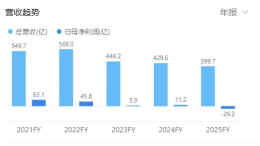
Dow suffers poor performance, announces major layoffs of 4,500 employees

