



Domestic Petrochemical Industry Braces for Pressure Amid Volatile Futures
Recently, influenced by the US-Israel-Iran conflict, the main contracts of energy and chemical commodities in the domestic futures market have experienced a surge in limit-up situations. On March 10, international oil prices plummeted, leading to a across-the-board decline in domestic energy and chemical futures. In just 24 hours, the market experienced a "roller coaster" like situation. As the US-Israel-Iran conflict continues, how can China's petrochemical industry withstand the pressure and find a new path?
Raw material imports are being "choked"
How significant is the risk of a supply chain disruption?
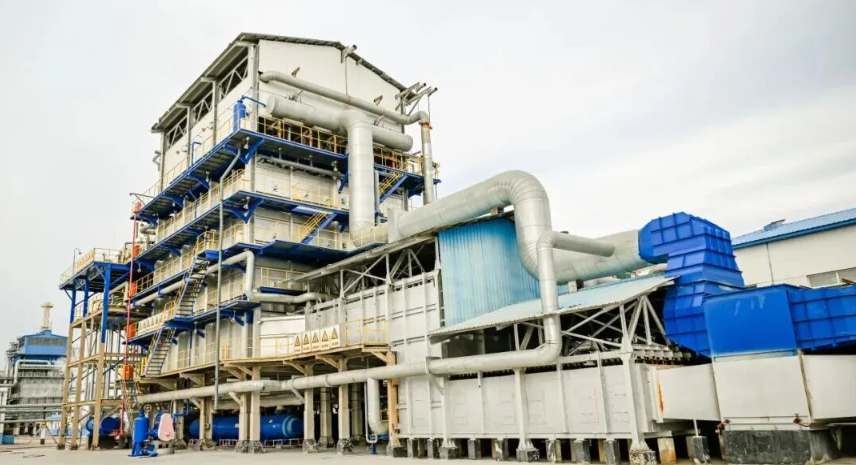
Gulf countries are a key source of China’s imported chemical products. In 2025, imports of methanol and ethylene glycol from Gulf countries account for approximately 70% and 66%, respectively, of China’s total imports of these products. The escalating U.S.-Israel-Iran conflict heightens the risk of import disruptions: in the short term, this is primarily an emotional impact, whereas in the medium term, it constitutes a substantive impact.
Since the outbreak of the conflict, the methanol futures have surged to the limit up and then retreated. Zhang Bo, a professor at the China Institute of Energy Policy, Xiamen University, described this as a process "from panic back to rational re-evaluation" in the market. Wei Haiguo, a senior consultant at the Refining and Petrochemical Department of China National Petroleum Corporation's Planning and Research Institute, also believes that short-term price fluctuations are more about speculative trading in futures, and Chinese petrochemical producers have inventory support, so they will not react drastically. However, from a long-term perspective, the real uncertainty lies in whether the oil supply can remain stable.
There are two risks. On one side, the "rope" of imports is tightly bound, and the basic chemical raw materials that are highly dependent on Middle Eastern sources may be cut off.Zhang Bo pointed out that Iran is China’s largest source of methanol imports, and any supply disruption would quickly eliminate spot market liquidity; the Middle East is the largest source of liquefied petroleum gas (LPG) and naphtha, and supply interruptions pose a direct threat to light hydrocarbon cracking and steam cracking facilities along China’s eastern coast, which heavily rely on imported feedstocks.
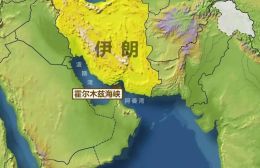
On the other hand, alternative channels are not smooth.Ma Yingjun, a chemical industry analyst from Caochuan Information, mentioned that although the overall import dependency of methanol is only 14%, 66% of the sources come from the Middle East, and more than 80% needs to pass through the Strait of Hormuz; the import dependency of low-density polyethylene is 50.1%, with more than half coming from the Middle East. The alternative sources for these products are limited, and if the Middle East logistics continue to be disrupted, the raw material security for downstream enterprises will face a challenge.
The change has come
How can China's petrochemical industry identify market opportunities?
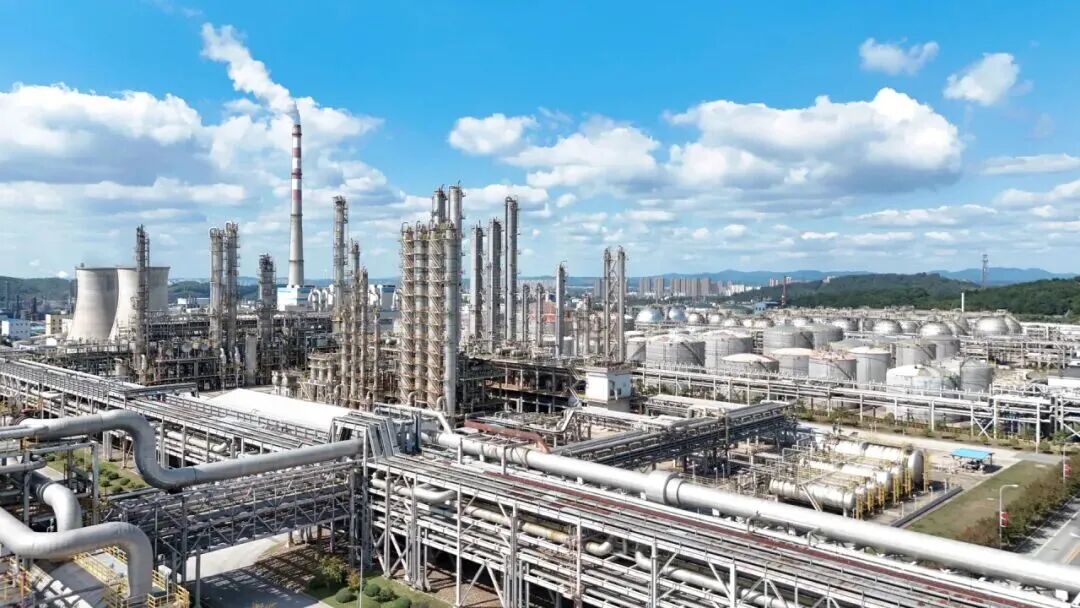
Even under pressure, there is room to maneuver; China's petrochemical industry can forge a new path forward through two avenues.
A road leads to pricing power.Zhang Bo pointed out that in the past, China's methanol market relied heavily on Iran, and has long been at the mercy of pricing. Although future imports may face obstacles, currently China still has high inventory of methanol, combined with the massive production capacity of coal-based methanol, which gives us more bargaining power. Even if there is a short-term supply disruption, downstream companies still have the ability to rely on inventory consumption, and even switch to coal-based routes temporarily, thereby prompting Middle Eastern suppliers to maintain price stability.
Another path leads to overseas markets.Zhang Bo pointed out that reduced operating rates at domestic refining and petrochemical facilities in Japan and South Korea, coupled with a supply gap emerging in Southeast Asia, present an opportunity for China—given its substantial polyethylene and polypropylene production capacity and price competitiveness—to absorb some of its excess capacity in these markets. Wei Haiguo noted that Africa, which relies heavily on Middle Eastern supplies and prefers bulk commodity products, represents a relatively small but potentially promising market where Chinese petrochemical products could gradually gain a foothold.
How to pursue
From "Economies of Scale" to "Economies of Scope"?
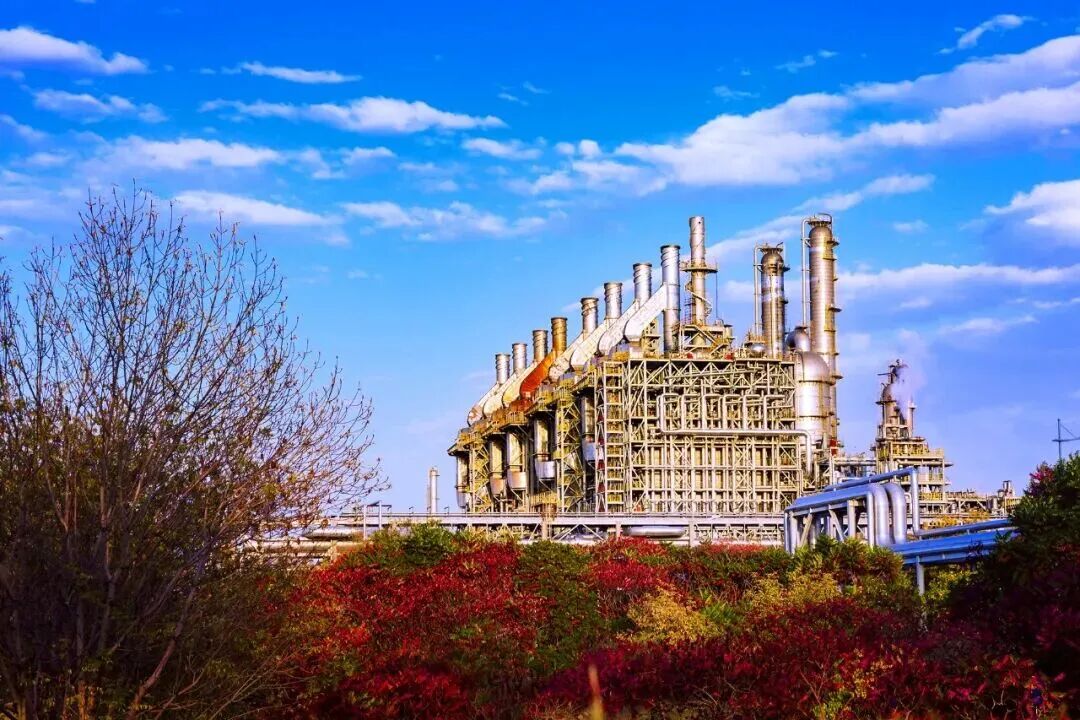
This conflict proves that the traditional "scale expansion" development model may need to be re-examined, and future Chinese petrochemical companies should consider shifting toward pursuing "economies of scope."
In the short term, we need to hold the line at the operational level.Wei Haiguo suggested prioritizing the guarantee of production capacity, "For products imported from the Middle East, either find alternatives or fill the market gap left by the Middle East." In terms of specific operations, Ma Yingjun believes that it is necessary to check the inventory of high-risk varieties such as ethylene glycol and increase safety stock. At the same time, alternative sourcing channels should be sorted out, and futures tools should be used to hedge costs.
Medium and long-term transformation at the strategic level.Zhang Bo proposed that: first, traditional refining and petrochemical companies that heavily rely on Middle Eastern naphtha should accelerate the transformation toward diversified feedstock routes, such as ethane importation and coal-oil co-processing. Second, enterprises should actively engage in the policy of rectifying "cutthroat competition" mentioned in the 2026 government work report, and proactively implement capacity control and industry profit recovery, shifting from "expansion in quantity" to "improvement in quality." Third, breaking down corporate barriers, exploring strategic cooperation with inland coal chemical enterprises, and establishing a cross-regional raw material risk hedging mechanism.
Rather than betting on when tensions among the U.S., Israel, and Iran will ease, it’s better to strengthen our own capabilities. Enhancing domestic supply resilience to hedge against international risks is precisely what it means to “hold our energy security firmly in our own hands.”
【Copyright and Disclaimer】The above information is collected and organized by PlastMatch. The copyright belongs to the original author. This article is reprinted for the purpose of providing more information, and it does not imply that PlastMatch endorses the views expressed in the article or guarantees its accuracy. If there are any errors in the source attribution or if your legitimate rights have been infringed, please contact us, and we will promptly correct or remove the content. If other media, websites, or individuals use the aforementioned content, they must clearly indicate the original source and origin of the work and assume legal responsibility on their own.
Most Popular
-
Supply Extremely Tight! LG Chem Declares Force Majeure on Export Contracts for Di-Octyl Terephthalate (DOTP)
-
Deadly Impact: Hormuz Strait Blockade Sparks Shortage of Plastic Raw Materials, Threatening Shutdowns at Japanese and Korean Chemical Plants
-
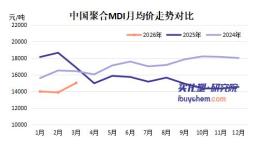
Huntsman Introduces “War Surcharge” Amid Shipping Disruption and Soaring Energy Costs, Global MDI Prices Continue to Rise
-

Tao Lin: Tesla’s Supercharger Stations in China Surpass 2,500
-

LG Chem Declares Force Majeure on DOTP Exports! SABIC Joins Five Giants to Redefine EV Safety


