



Concordia Strengthens Biomanufacturing Infrastructure to Support Green Chemistry Development

Thanks to a CAD 5 million investment support from the Canada Foundation for Innovation (CFI) Innovation Fund, Concordia has upgraded its genomics foundry and bioprocessing facilities, further expanding its sustainable biomanufacturing capacity. Of this funding, 40% is provided by the Canada Foundation for Innovation, while the remaining portion comes from matching funds from the Quebec Ministry of Higher Education (MES).
Empowering the full-process development of bio-based products
The facility upgrade has made Concordia one of Canada's leading centers for synthetic biology and bioprocess research, while also strengthening the school's...Biobased product full-process development capabilityCovering the entire chain from the design of microbial and mammalian cells to the testing and improvement of pharmaceuticals and chemicals traditionally produced by unsustainable processes.
"Biomanufacturing is transforming many areas closely related to Canadians, including healthcare, agriculture, chemical engineering, and clean energy," said Steve Shih, Co-Director of the Centre for Applied Synthetic Biology and Associate Professor in the Department of Electrical and Computer Engineering at Concordia University.
"The upgraded facilities will assist researchers and partners in accelerating the research and development process, validating more innovative ideas, and promoting potential technologies towards large-scale practical applications."
Bring tangible benefits to Canadians.
Concordia's biomanufacturing facilities help develop more environmentally friendly chemicals, bioplastics, sustainable biofuels, plant-friendly microorganisms, alternative proteins, and new drugs. These facilities also provide Reduce greenhouse gas emissions, achieve high-value utilization of waste, and develop economically viable sustainable food and therapies.Provide support.
By opening this advanced infrastructure to small and medium-sized enterprises, academic collaborators, and government partners, the upgraded research and development platform will further enhance the nation's overall scientific research capabilities, shorten the cycle of technology transfer from laboratory to market, and create a large number of high-skilled jobs.
"In addition to economic value, the environmental benefits brought by these technologies are equally significant," Shi added. "Whether it's replacing fossil-based chemicals with renewable alternatives or converting dairy waste into bio-based chemicals, every large-scale innovation we achieve at Concordia is reducing carbon emissions and minimizing resource waste."
Today, researchers at Concordia can complete the entire development process of innovative technologies from concept to pilot scale on the same platform. These capabilities help reduce reliance on petroleum-based chemicals, minimize waste generation, and create scalable technologies that can serve both the Canadian and global markets.
"The solution we are developing is something that Canadians can realistically encounter and use in their daily lives," Shi said.
Build a Solid Foundation for National Research Infrastructure
The Genome Foundry was established in 2016 with the support of the Canadian Innovation Fund. It has gradually evolved from Canada's first automated DNA design and assembly facility into a national innovation hub for synthetic biology.
From 2018 to 2019, the foundry collaborated with the National Research Council of Canada to enter the field of mammalian cell engineering. During the collaboration, both parties secured CAD 2.4 million in foundational R&D funding through the "Cell and Gene Therapy Challenge Program" and established a high-throughput mammalian genome foundry.
From 2020 to 2022, the platform further expanded its bioprocessing capacity, successfully achieving integration.Strain modification — Fermentation cultivation — Separation and purificationThe technical chain here refers to the modification of strains, which means altering bacteria, yeast, fungi, and other microorganisms to enable them to produce specific useful substances or perform new functions.
【Copyright and Disclaimer】The above information is collected and organized by PlastMatch. The copyright belongs to the original author. This article is reprinted for the purpose of providing more information, and it does not imply that PlastMatch endorses the views expressed in the article or guarantees its accuracy. If there are any errors in the source attribution or if your legitimate rights have been infringed, please contact us, and we will promptly correct or remove the content. If other media, websites, or individuals use the aforementioned content, they must clearly indicate the original source and origin of the work and assume legal responsibility on their own.
Most Popular
-

List Released! Mexico Announces 50% Tariff On 1,371 China Product Categories
-

EU Changes ELV Regulation Again: Recycled Plastic Content Dispute and Exclusion of Bio-Based Plastics
-
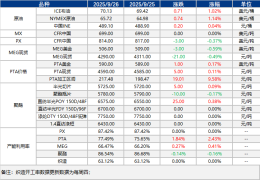
[PET Weekly Outlook] Polyester Bottle Chips Expected to Oscillate and Warm Up with Costs Today
-

Case Study | Clariant AddWorks™ Additives Solve Plastic Yellowing Problem
-
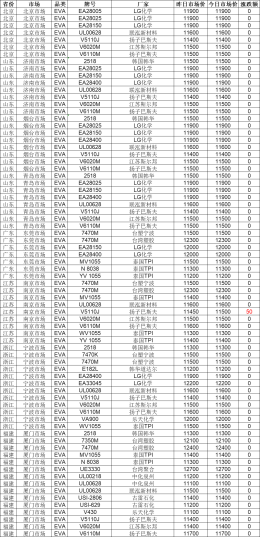
EVA Morning Prices on September 12: Most of the Market Holds Steady, Highest Rise of 50 Yuan

