



China's Covert Battle and Breakthrough: Chinese Automakers' Expedition to the New Frontier of Africa
“You can’t imagine it—last month, local media’s promotional slogan for the exhibition was still ‘How Can We Prevent Oil Pollution?’ But when we arrived, we found that the slogan had already changed to ‘How Can We Avoid an Oil Crisis?’”
On Tuesday night, just before going to bed, I was scrolling through my friends’ social media feed and happened to see a post from a friend who works in the overseas business division of an automobile manufacturer based in southern China. His post was tagged with “Johannesburg, South Africa.” After chatting with him, I learned that he had traveled there to attend “EV & Charge Live Africa 2026,” which translates to the South Africa International New Energy Electric Vehicle and Charging Infrastructure Exhibition.
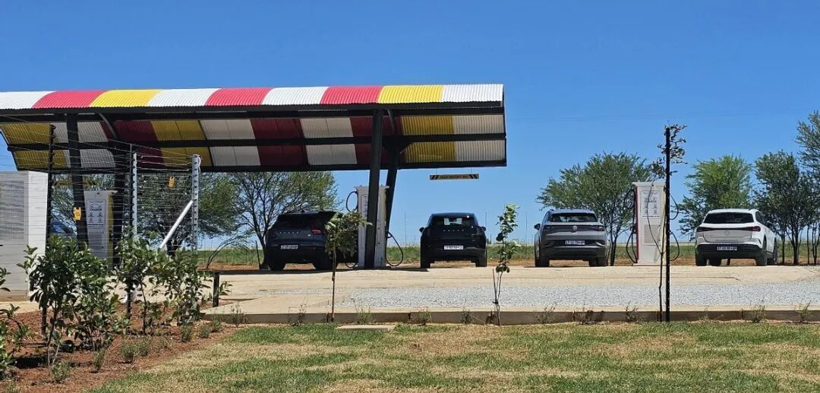
Figure | To be honest, pursuing "emission reduction/net-zero" in Africa seems somewhat abstract, but for countries like South Africa, Egypt, and Morocco, which have a certain industrial foundation, it is arguably necessary.
"So it seems that the current situation is extremely favorable for your new energy vehicle business!" the author said presumptuously, but was immediately corrected by a friend—
"Maybe in the local South African market, but not universally across Africa... Even if oil prices multiply, most African countries will still rely on gasoline cars, and they are mostly used cars." After all, there are 600 million people south of the Sahara who do not have access to stable electricity.
01"The Solitary" South African Market
In February 2024, Great Wall Motor held a launch event in Johannesburg, South Africa, specifically announcing the launch of its Tank 300 model in the "Rainbow Nation." Great Wall is not within my area of responsibility, but a sentence in the related news is hard to ignore — 2024 marks the seventeenth year since Great Wall Motor entered the South African market.

Photo | 2024 February, the "Rainbow Country" launch event of Tank 300
After noticing this, I looked up some information and confirmed that Great Wall Motors had already entered this market on the other side of the globe with its pickup truck models as early as 2007, and has been persistently cultivating it year after year. In nearly two decades, it has successively introduced more competitive products such as the Haval H6 and later the GWM Pao series.
In the same year that Great Wall entered the South African market, Geely and Chery also entered. However, the timing of entry for these three domestic brands was not ideal.
From the perspective of the period before and after the Beijing Olympics, Chinese automobile manufacturers had, at that time, only mastered car manufacturing through technology introduction and self-learning via joint ventures. However, constrained by historical accumulation and innovation capability, they lagged behind European and Japanese brands—both deeply entrenched in the local market—in terms of technology and brand value. For a prolonged period, Great Wall, Chery, and Geely could only rely on price advantages to gradually expand their influence domestically.
For the above reasons, Geely and Chery ultimately couldn't withstand the challenges. They both announced their withdrawal from the South African market in 2014 and 2018, respectively. However, the latter made a comeback in November 2021 by introducing the Tiggo 4 Pro (Tiguan 5X), a new product with strong competitiveness.
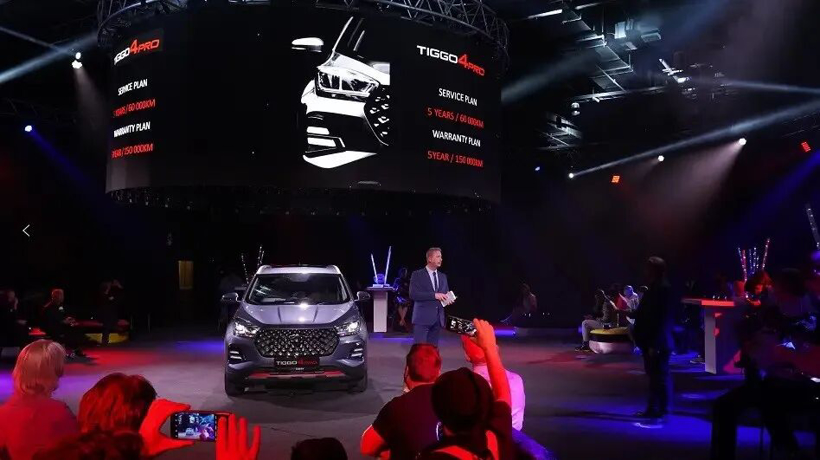
In November 2021, after a brief withdrawal from the South African market, Chery made a comeback with the Tiggo4 Pro model.
The turning point began in 2023. At the end of that year, the National Association of Automobile Manufacturers of South Africa released data that marked a shift: for the first time, some models of Chinese brands surpassed traditional powerhouses in the popular family SUV and crossover segments. The localized version of the GWM Haval H6 even outsold the long-time leader, the Tiguan, while several Chery SUVs also made it to the top of the list.
Since 2010, the increasingly reliable quality and consistently competitive pricing of Chinese-made vehicles have gradually earned them a strong reputation in the South African market, while various proactive marketing initiatives have also proven highly effective. For instance, Chery has long served as the official vehicle provider for the BRICS Summit held in South Africa, significantly enhancing its brand image locally.
If 2023 was about establishing a foothold, then starting from 2024, Chinese brands in the South African market will begin to see a boom.
This year, the new car market in South Africa has been overshadowed by inflation and other factors, with cumulative sales declining by 3% to 6%. However, this overall environment has highlighted the cost-effectiveness advantage of Chinese brands, driving overall market performance to grow against the trend.
Research institutions' data shows that the share of Chinese brands in South Africa's light vehicle market has surged from a mere 2% in 2019 to 9%. More striking is the rapid expansion of the brand matrix.
From 2023 to 2024, Dashan, Futian, Guangqi, LDV (a British brand acquired by SAIC Group), as well as Omoda, Jaecoo, and Jotun under Chery, and even BYD, have successively entered the South African market, launching a wide range of products that have left local car buyers dazzled.
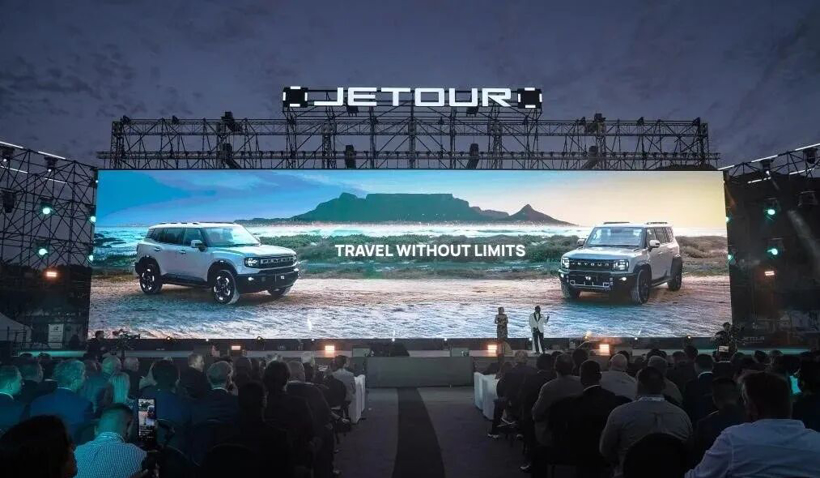
Image: In the domestic market, although Chinese auto brands have been caught in a frenzy of competition, it cannot be denied that this approach has enabled many brands to possess the power to dominate overseas.
However, this period was ultimately just the beginning of the outbreak.
As Africa’s current largest economy, the South African government is seeking to seize the opportunity presented by the global automotive industry’s transition to new energy. In 2024, the Department of Trade, Industry and Competition released the “Electric Vehicle White Paper,” stating the need to shift toward electric vehicle (EV) and EV component manufacturing to ensure South Africa remains a global exporter of automobiles and automotive parts. It has also introduced a series of incentives for new energy vehicles. These policies have fostered a favorable policy environment for the development of new energy vehicles in Africa and provided strong policy support for the entry of Chinese new energy vehicle manufacturers.
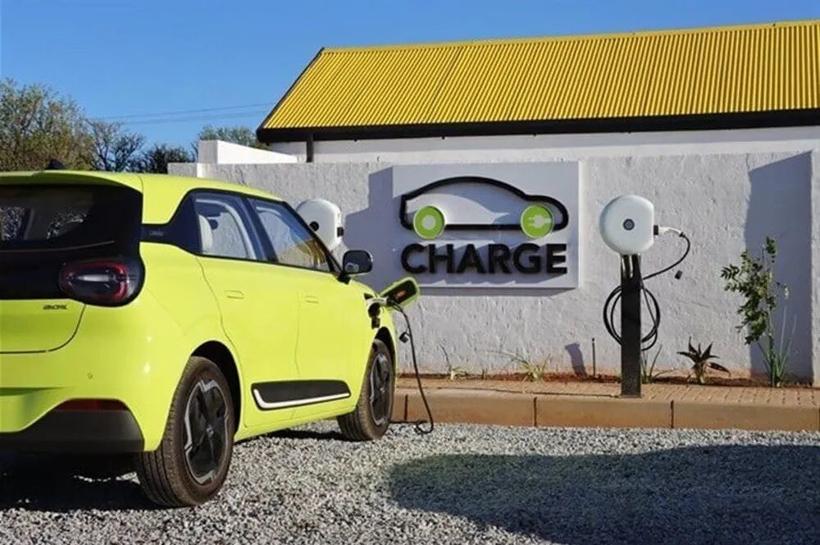
Image | Since 2024, the South African government has started to invest a large amount of resources to expand electric vehicle infrastructure.
Stimulated by the aforementioned official policies, starting from 2025, more Chinese automotive brands will launch their "entry into Africa" plans. SAIC MG, Changan, and Shenlan, Dongfeng Motor, Leapmotor, and others will enter the market in droves. As for the many brands already present, they are vying to unveil new-generation models that embody the latest technologies from each.
Throughout 2025, South Africa's economy is generally in an upturn phase following a recession, with annual new car sales approaching 600,000 units, a 15.7% increase from 2024. Chinese brands have also achieved a historic milestone, with their market share jumping to 14%, surpassing German brands and second only to Japanese brands in the market.
In 2025, by single brand, the top three brands in the South African market were Toyota (148,000 units), Suzuki (71,600 units), and Volkswagen (63,700 units). Great Wall ranked sixth with 27,000 units, while Chery came in eighth with 25,000 units. However, when considering total group sales, Chery’s three sub-brands combined achieved 47,000 units, allowing it to rise to fourth place overall.
This momentum has continued into 2026. In February of this year, the combined sales of Chinese brands reached approximately 8,500 units, with a market share of nearly 16%, becoming an important part of the South African automotive market. Among them, Great Wall brand sold 2,614 units, rising to the sixth position in the brand market ranking.
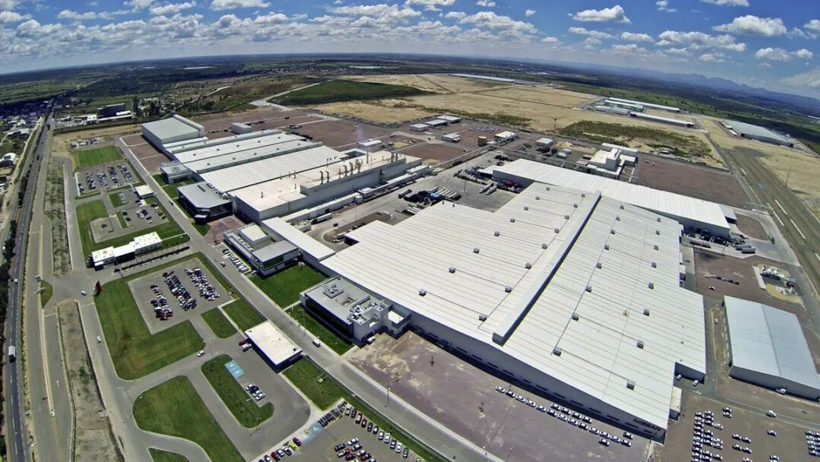
Photo | Former Nissan Roslin Vehicle Manufacturing Plant
And under the pressure of Chinese brands, Nissan, which was already struggling in the South African market, has decided to completely end its local production model in South Africa. Its Rosslyn vehicle manufacturing plant located in the Rosslyn area of Pretoria, South Africa, was confirmed to have been transferred to Chery at the end of January this year, with the asset transfer between both parties expected to be completed by mid-year.
Currently, the situation almost replicates the trend of Chinese brands in the Israeli market between 2023 and 2024. Moreover, due to the current global environment, the future growth potential is immense.
02Morocco and Egypt Markets
At this point, some readers might find it odd—the overall focus of this article seems to be on the African market, yet the previous section devoted so much content to South Africa. Is this a 10,000-word long-form piece? Not at all. As stated in the introduction and reflected in the title of the previous section, the South African automotive market carries immense weight across the entire African region, but aside from that, the markets of Morocco and Egypt also hold significant importance.
Looking at the data for 2025, the total annual sales of new cars in Africa are estimated to be around 1.2 million. The reason it is called an estimate is that a significant number of countries lack reliable official or authoritative institutional data, making it necessary to infer based on the limited data from vehicle manufacturers. Excluding the half that South Africa accounts for, the other two major markets are Morocco and Egypt, with 235,400 and 173,800 units, respectively.
Notably, influenced by various internal and external factors, new vehicle sales in both countries are at historic highs. Morocco's new vehicle sales in 2025 increased by 33% year-on-year, while Egypt's surged by a remarkable 69.9%.
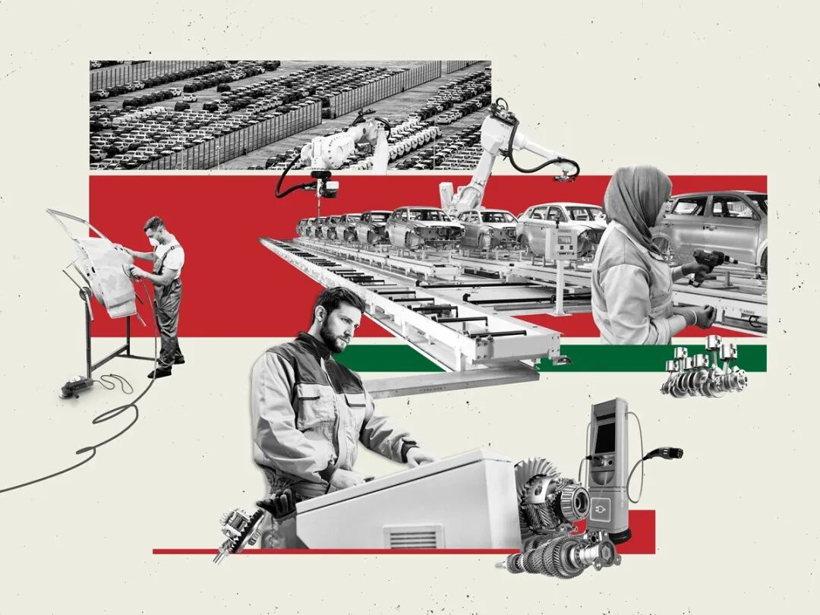
Fig. | Thanks to the spillover effects from Europe's automotive manufacturing industry, Morocco has developed a relatively solid foundation in automotive manufacturing—a somewhat lesser-known fact.
In the Moroccan market, Chinese brands accounted for 7.7% of the market share in 2025, rising further to 9.4% in the fourth quarter. As of December 2025, the total number of brands in the market reached 51, of which 17 were Chinese brands.
Due to Morocco having long been used by European automakers as an offshore region with low labor costs, the country has taken on characteristics reminiscent of Southeast Asian nations, achieving an annual vehicle production volume of 559,600 units (as of 2025), of which Renault alone accounts for 394,500 units. However, this has also resulted in European brands dominating the country's automotive market, holding a share of over 75%.
However, this does not mean that the 17 Chinese brands that have already entered Morocco have no chance. New energy vehicles, although late to arrive in Morocco, saw a growth of nearly 50% in 2025 compared to the previous year, achieving a penetration rate of over 2.6% in the small passenger car market. It is expected that this figure could double this year.
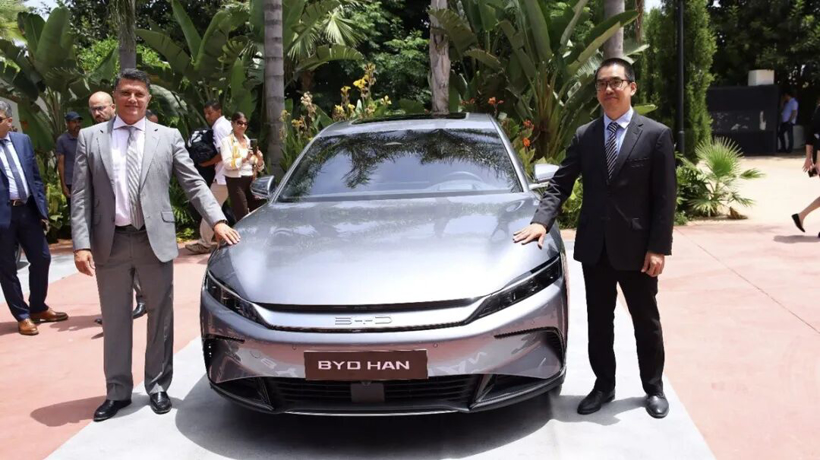
Photo | Chinese brands are quietly expanding in the Moroccan market by relying on new energy vehicles.
Among them, BYD's Seal U (the export version of the Song PLUS Champion Edition) is the top-selling model in the new energy vehicle category, with monthly sales reaching 371 units in October 2025. In addition, new energy brands such as Shenlan, Leapmotor, and Zeekr also remain active, hoping to achieve breakthroughs this year with a variety of new energy products.
Compared to the Moroccan market's attempt to make an inroad via new energy vehicles, Chinese brands have performed even more impressively in the Egyptian market than in South Africa.
In 2025, Egypt's automotive market experienced a full-scale boom, primarily driven by the government's relaxation of import policies. Additionally, the expansion of local assembly capacity and the supply of high-value-for-money vehicles from Chinese brands have further fueled this growth. Aligning with these policy changes, major Chinese automakers—including BAIC, Changan, Chery, Great Wall, and Geely—have each established production capacity in Egypt. Notably, BAIC has built a dedicated facility for assembling battery electric vehicles. Including previously established commercial vehicle manufacturers such as Dayun and King Long, which already operate assembly plants in Egypt, the total number of Chinese automakers with production capacity in Egypt now stands at seven.
In addition, the production facilities of SAIC MG brand, Guangqi and others are under construction. Meanwhile, BYD is cooperating with Egypt's Al Amal Group to plan the construction of a factory in Egypt for producing hybrid vehicles.
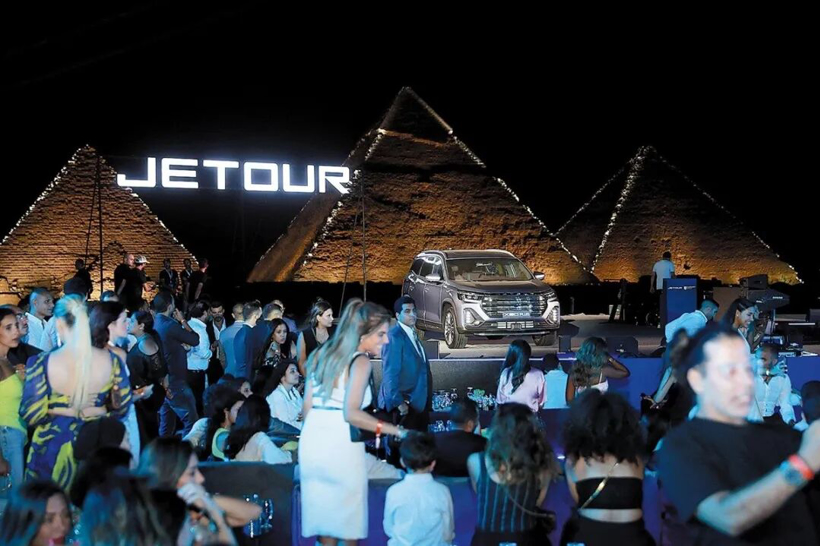
Image: Posting this too much might make people think it's a soft article, but the author is really in a dilemma, because now there's always a touch of Chery everywhere. Isn't it even using the Pyramid of Khufu as a backdrop?
Currently, the five Chinese factories that have been put into operation have a combined annual capacity of more than 240,000 units. Including the construction/plan and the scalable reserved capacity, once all projects are completed and the maximum intended production capacity is achieved, the total annual output could approach 500,000 units.
Notably, these operational or under-construction plants universally adopt standards significantly higher than those of previous overseas production facilities. For instance, Geely has equipped its production base in 6th of October City, Giza Governorate, with advanced laser welding lines and fully automated robotic assembly lines. Each project also emphasizes a high degree of local supply chain integration, with Geely setting an initial target of 45% localization. Thus, it is evident that Egypt has now become a core production hub in Chinese automakers' strategic planning, serving Northern Africa and the broader Middle East region.
This level of investment also immediately translated into strong market performance. In the first half of 2025, Chinese brands occupied 8 out of the top 20 positions in the Egyptian market, with their total share expanding to 37.1%, and for the full year, it approached the 40% mark. Chery and SAIC ranked third and fifth, respectively.
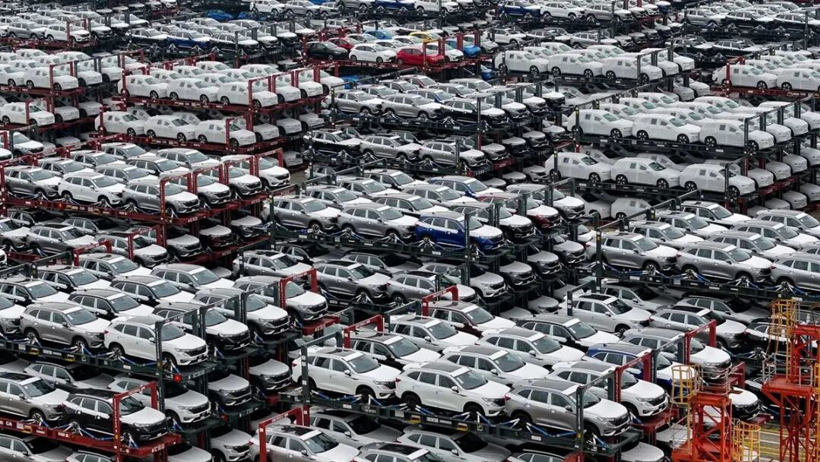
Photo | Exported new cars to Egypt
Although established local market leaders such as Chevrolet, Nissan, Hyundai, and Toyota still command a large market share and dominate the top of sales charts, what is currently unfolding in Egypt mirrors the situation in Israel at the end of 2024. Barring any major disruptions, the balance of market dominance will inevitably be reshaped by Chinese brands before the end of this year.
03The African Used-Car Market: Off the Radar, Yet of Immense Value
The total number of new cars sold in South Africa, Morocco, and Egypt last year was roughly around 1 million. Subtracting this number from the total African market sales of 1.2 million for the entire year, the remaining 200,000 is the sum of sales in the other 51 African countries.
Not only can we see the huge gap among the countries of this continent, but it also raises another question — in today's world where people in every country rely increasingly on cars for production and daily life, are the vehicle demands of these 51 countries really that low? After all, the combined population of the three countries is about 200 million, while the population of Africa exceeds 1.4 billion.
In fact, the answer is obvious: relying on imported used cars to sustain it.
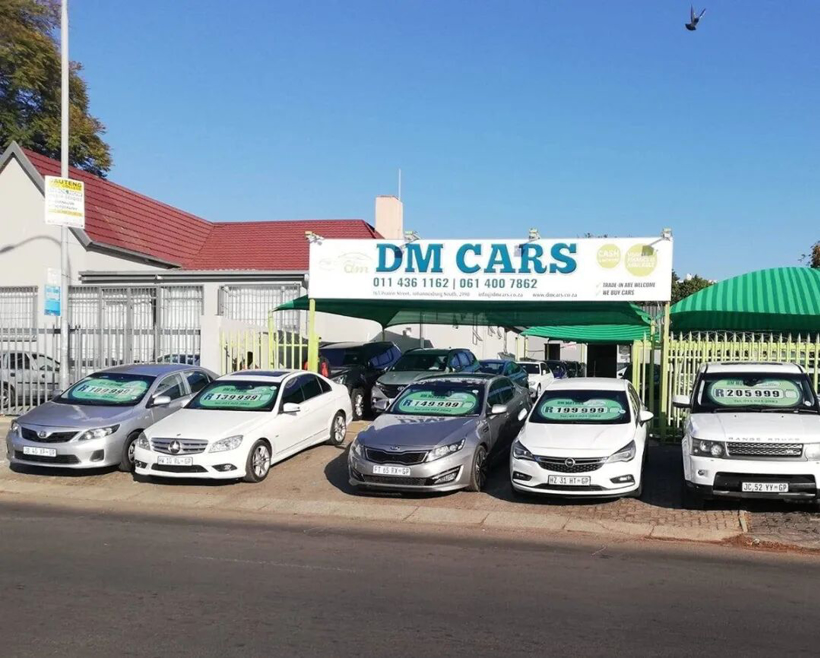
Photo | A used car store in South Africa, but this level of quality is considered a premium category in Africa.
In 2025, the number of used cars shipped to Africa for sale approaches 5 million, with a ratio of used to new cars sold locally exceeding 4:1. According to statistics, the used cars consumed annually across Africa account for more than 40% of the total volume of used cars in international circulation. The main sources of these used cars are products phased out from the US, Middle East, and Japanese markets.
The used cars shipped from the aforementioned regions to Africa are mainly composed of various family cars and pickup trucks. Although the prices of different vehicles vary depending on the model and region, they generally range from about $4,000 to $8,000, which roughly matches the budget range of the main consumer groups there. Among all the brands, Toyota is the most popular.

It's understandable that Toyota, especially its pickup trucks, sell well in Africa...
Currently, all African countries have import channels for used cars, with relatively concentrated trade centers being the port of Abidjan in Côte d'Ivoire in West Africa, and Mombasa, the capital of Kenya in East Africa. After all, the cost of concentrated sea transport is relatively the lowest.
Chinese enterprises have been eyeing this market for a long time, but in the early years, the domestic automobile industry was weak and brands had little influence, making it difficult for exported products to gain general acceptance in the local market. This problem was gradually alleviated after 2018.
The large-scale business started in 2019, but the scale was relatively limited in the initial years due to the global pandemic. For example, in 2021, the total number of used cars exported from China to Africa was only 15,100 units.
The scale of exports began to surge in 2022, when the export volume reached 69,700 vehicles, with a total value of nearly $1.6 billion. In 2023, the export volume set a new record, reaching 274,500 vehicles, with an export value of $6.88 billion. On March 1, 2024, with the complete relaxation of qualifications for exporting used vehicles, the export volume further increased to 410,000 units.
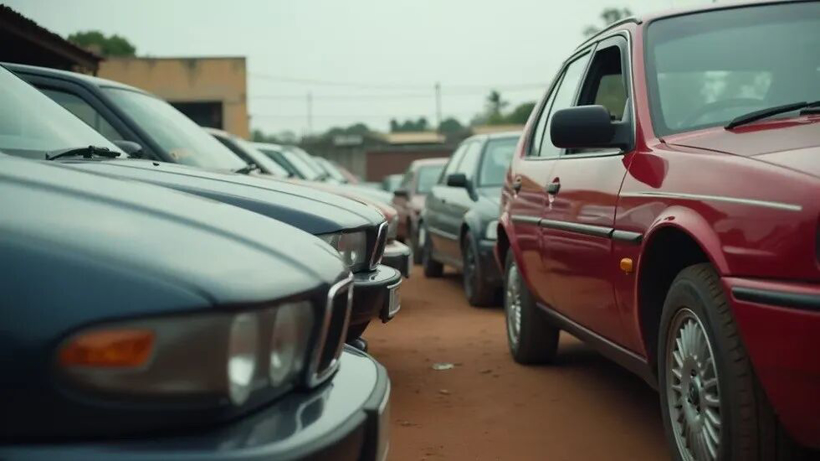
Photo: An old car market in Ghana, where you can even find third-hand BMWs being sold as everyday driving vehicles.
In 2025, as China implements a 100% tariff line zero-tariff policy for 53 African countries, many African nations have reciprocated by lowering their own tariffs, further reducing the cost for Chinese companies exporting used vehicles to Africa. Meanwhile, several African countries, such as Ethiopia and Ghana, are advancing their energy transitions, creating favorable conditions for the entry of China's used new-energy vehicles.
In policy-friendly countries such as Egypt, Ghana, and Ethiopia, used new-energy vehicles enjoy low or zero tariffs, offering a differentiated breakthrough. However, in other countries, they face highly complex, country-specific regulatory environments. For example, Nigeria in West Africa follows left-hand drive standards and legally requires imported used vehicles to be no older than 10 years. Meanwhile, Kenya in East Africa mandates right-hand drive and restricts imported used vehicles to no more than 8 years old. Additionally, mandatory certification requirements vary significantly across different countries.
Nigeria is the largest single market for used car exports, with an annual output of 200,000 to 300,000 units. There is strong demand for pickup trucks in the local market. Last year, used Changan Pickup and Jiangling Yuhu models became phenomenon-level popular models in the country.

The overall size of the Ghanaian market is much smaller than that of Nigeria, but it stands out for its rapid growth. Last year, domestic exports to Ghana surged by one-third compared to the previous year, and the country imposes zero tariffs on second-hand New Energy Vehicles (NEVs). A large number of second-hand, economical pure electric vehicles have already been shipped to the country, significantly promoting the electrification of local ride-hailing services.
In Egypt, where the economy is relatively better, the used car market has shown clear segmentation. In addition to the demand for mid-to-low-end vehicles priced below 50,000 RMB, wealthier local car owners tend to prefer newer and more intelligent Chinese new energy vehicles, such as NIO cars with a chassis age of less than 3 years.
In North Africa, the situation is different. The Egyptian market has distinct consumer segments, with mid-to-lower end demand focused on vehicles in the 50,000 to 80,000 range. For the premium market, there is a preference for nearly new cars with a three-year age limit, such as BYD's premium models and NIO, which are very popular locally. In Algeria, local dealers tend to import the same model in bulk, with used Geely Emgrand and Chery Arrizo 5 sedans being popular choices.
Kenya, located in East Africa, serves as a key hub for used vehicle exports in the region and is currently a focal area for growth. However, Kenya and some neighboring countries use right-hand drive vehicles, requiring qualified enterprises to carry out large-scale left-to-right conversions to meet demand.
Overall, compared to new cars, used cars from China are developing faster in Africa, and their return on investment period and profit situation are relatively better. However, it should be acknowledged that although the growth is promising, the dominant position of Japanese used cars in Africa remains unchanged and cannot be easily challenged in the short term.
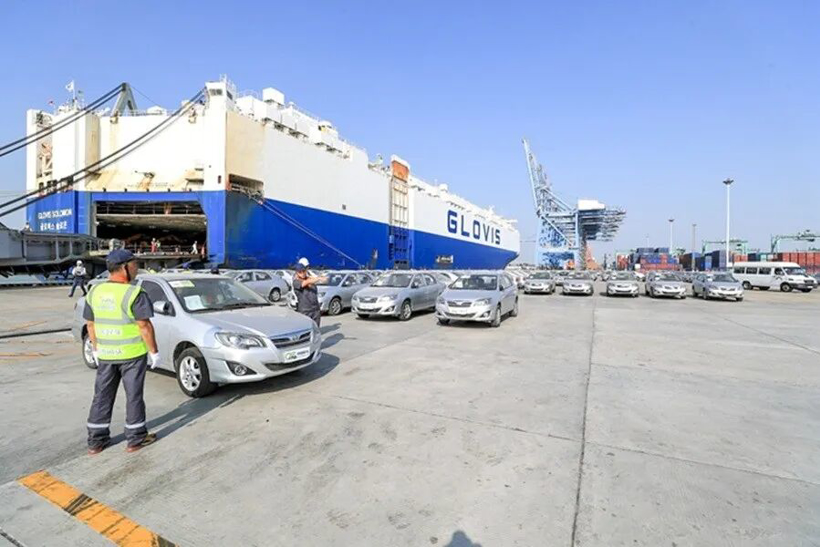
Image | In short, the strong sales of Japanese used cars in Africa are based on decades of accumulated volume.
The reason for this situation is simple: vehicle repair and maintenance in Africa generally rely on salvaged parts and makeshift solutions. In contrast, Japanese automakers’ decades-long presence in the region has effectively established the best after-sales support system. While our progress is impressive, we still have a long way to go.
When a brand-new vehicle rolls off a Chinese factory line or a used car, after a long and winding journey, arrives at an African port and drives onto local streets, this marks not the end of the story, but the beginning of a far grander narrative. The journey of Chinese automobiles in Africa has quietly transcended mere trade and sales, evolving into a profound strategic engagement centered on manufacturing relocation, ecosystem integration, and value co-creation.
This is no longer just about the competition for market share percentages.
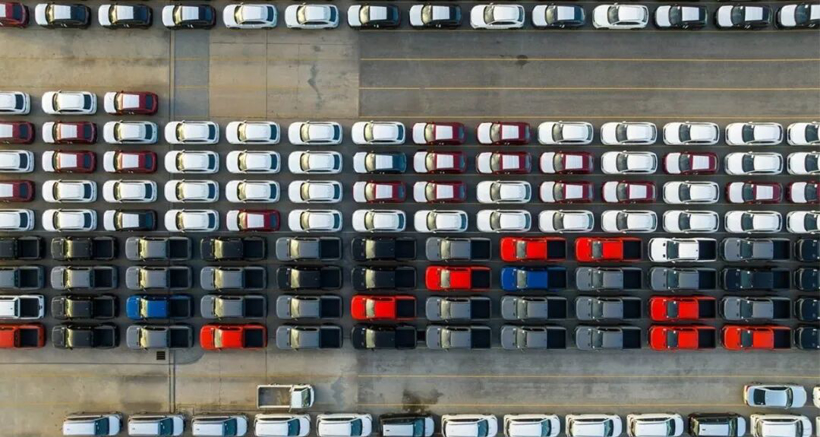
In South Africa, it is a new rule written by Chinese brands breaking through the dominance of Japanese and German brands, using new energy and intelligent technology; in Egypt, it is an industrial upgrade from semi-knocked-down assemblies to establishing a regional manufacturing hub; and in the vast used car market, it is an attempt to challenge an old world built on "salvage parts" and decades of habits, by offering younger vehicle ages, more transparent inspections, and emerging after-sales services.
The true essence of this "expedition" is for China's automotive industry to respond to the most genuine and complex needs of a continent with the systematic capabilities it has accumulated over two decades. It offers not just "space on wheels," but also the possibility of being integrated into local development: the employment created by local factories, the livelihoods supported by pickup trucks suitable for rugged terrains, the lower operating costs for ride-hailing drivers brought about by second-hand electric vehicles, and the new energy landscape gradually unfolding around charging stations.
Thus, the challenges faced are also unprecedentedly concrete—
How to establish a reliable after-sales network in areas with weak infrastructure?
How to find a balance of long-termism amid vastly different policies across countries?
How can a brand story transcend “cost-effectiveness” and imprint emotional associations of quality, durability, and trustworthiness?
The answer might lie precisely in this "expedition" posture—it requires strategic patience, starting from Great Wall's long-term commitment to a market for seventeen years; it demands tactical flexibility, capable of making high-standard intelligent factory investments, as well as understanding and integrating into local "Handsome Repairman"-style repair ecosystems. Ultimately, the mark of success may not be about completely replacing anyone, but becoming an indispensable part of Africa's road evolution. It is when people talk about mobility and transportation, a natural and trustworthy choice.
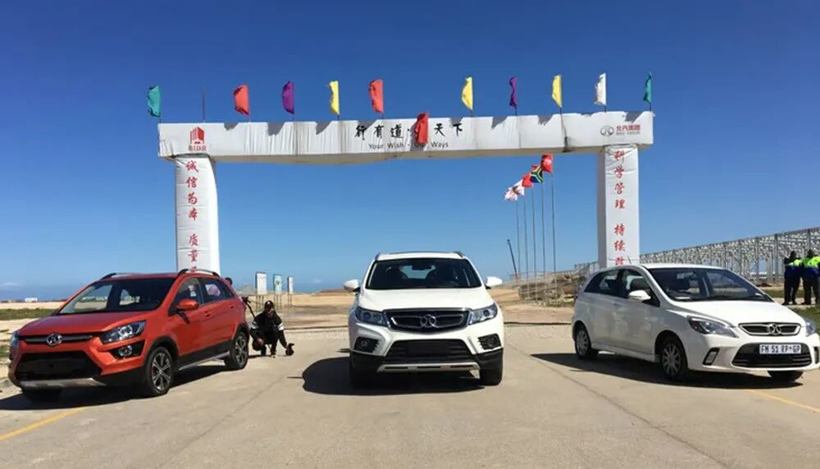
The global automotive industry has indeed entered an era of competition in a saturated market, but the African continent still surges with incremental growth. This land should not be overlooked, not only for its commercial potential but also because here, Chinese automobiles are undergoing the most profound pressure test, transitioning from selling globally to rooting globally. This expedition points to the ultimate answer of the globalization proposition of China's manufacturing industry: how to create shared value and win trust that transcends cycles through deep interaction with the world.
This is not merely about exploring a new market; it is about participating in shaping the mobile future of an entire continent. Everything gained from this endeavor—experience, lessons learned, and achievements—will comprehensively shape the automotive industry’s new future.
【Copyright and Disclaimer】The above information is collected and organized by PlastMatch. The copyright belongs to the original author. This article is reprinted for the purpose of providing more information, and it does not imply that PlastMatch endorses the views expressed in the article or guarantees its accuracy. If there are any errors in the source attribution or if your legitimate rights have been infringed, please contact us, and we will promptly correct or remove the content. If other media, websites, or individuals use the aforementioned content, they must clearly indicate the original source and origin of the work and assume legal responsibility on their own.
Most Popular
-
Deadly Impact: Hormuz Strait Blockade Sparks Shortage of Plastic Raw Materials, Threatening Shutdowns at Japanese and Korean Chemical Plants
-

BASF Delivers First Batch of Innovative Cathode Materials for Semi-Solid-State Batteries to Weilan New Energy
-

Global Supply Chain Under Pressure! Wacker Increases Prices for Polymers and Silicones
-
SABIC Declares Force Majeure on Styrene Monomer and Methanol Production; Middle East Chemical Operations Halted
-

Middle East Triggers Widespread Force Majeure In Global Chemical Industry


