Breaking! APR Expands PCR Certification Scope, Full Supply Chain "Recycled Content" Enters Strong Regulatory Era
Abstract:
On July 10, 2026, the Association of Plastic Recyclers (APR) in the United States announced a major upgrade to its post-consumer recycled plastic (PCR) certification program. Certification will no longer be limited to pellets/flakes at the recycling stage, but will extend downstream to finished products, semi-finished products, and the entire supply chain. Backed by ISO standards and third-party verification, the room for “greenwashing” in the plastics industry will be further reduced.
I. Core Shift: The Leap from “Granules” to the “Entire Chain”
For a long time, APR’s PCR certification has mainly focused onPellets or flakes produced by recyclersHowever, with the surge in global demand for transparency in sustainable development claims, brands and regulatory agencies need more concrete evidence to prove the recycled content in the final products.
After this expansion,Manufacturer, brand owner, broker, distributor, traderAll organizations that purchase, sell, or process PCR can now verify their recycled content claims for finished or semi-finished products through independent third-party certification.
In simple terms:Previously, it was only certified that "the raw materials are genuine," but now it must be certified that "the amount you use in the product is also genuine."
II. Why do this? “A trust pass” is needed for invisible recycled materials
APR President and CEO Steve Alexander noted, “Post-consumer recycled plastic (from common household and commercial packaging) is a high-quality raw material for new products, effectively reducing plastic waste and reliance on virgin plastic.”However, recycled materials and virgin materials cannot be distinguished by appearance.Third-party certification is the only cornerstone for verifying claims.
Newly launchedProducer Standard ISO Chain of Custody and Traceability RequirementsA rigorous process has been established to ensure that the proportion of recycled plastic actually used by enterprises is consistent with what they claim. This directly addresses the urgent demand for accountability in the supply chain.
III. Key Highlights Interpretation
1. Global Standards Harmonization
This standard and EuropeRecyClass Recycled Plastics Traceability CertificationConsistent with this, it supports the global harmonization process in recycled content verification across North America and Europe, benefiting multinational companies in compliance management.
2. Certified PCR Directory
Certified companies will be listed in the APR Official Certification Directory, becoming a trusted resource for organizations seeking compliant PCR products and packaging, significantly enhancing brand credibility.
3. Responding to Compliance Pressure
With the implementation of EPR (Extended Producer Responsibility) regulations such as California’s SB 54 and mandatory PCR content requirements in various regions, certifications backed by independent third parties have become essential tools for avoiding “greenwashing” risks and meeting legal requirements.
IV. Industry Voices
APR PCR Certification Program Director Rita Phillip said: “Expanding APR PCR certification to manufacturers and supply chain participants has strengthened confidence in recycled content claims and supports the industry’s growing demand for transparency and accountability. Through independent third-party verification, the program ensures that companies claiming to use recycled plastics can substantiate their claims with hard data.”
V. Final Remarks
Since the project was launched in 2021, APR PCR certification has covered more than 30% of recycled PET, PP, HDPE, and LDPE/LLDPE materials in North America. This expansion marks the entry of the plastics circular economy into a new phase."Full-link traceability"a new stage. For Chinese companies exporting to the North American market or focusing on ESG development, paying attention to and aligning with such international standards will be a key aspect of future supply chain competitiveness.
【Copyright and Disclaimer】The above information is collected and organized by PlastMatch. The copyright belongs to the original author. This article is reprinted for the purpose of providing more information, and it does not imply that PlastMatch endorses the views expressed in the article or guarantees its accuracy. If there are any errors in the source attribution or if your legitimate rights have been infringed, please contact us, and we will promptly correct or remove the content. If other media, websites, or individuals use the aforementioned content, they must clearly indicate the original source and origin of the work and assume legal responsibility on their own.
Most Popular
-
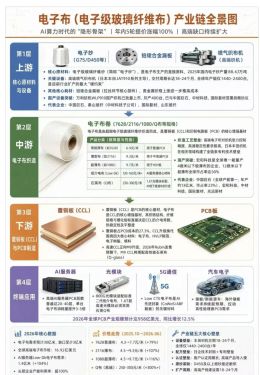
AI Computing Power Demand Ignites Electronic Fabrics! China Jushi Hits Limit Up! Domestic Substitution Welcomes Golden Window
-

Focus on going global! kingfa sci. leads, huitong, preter, and kumho nire follow, china’s modified plastics frenziedly expanding worldwide
-
South Korea Initiates Anti-Dumping Investigation Into China’s PVC Suspension Resin! Triple Tariff Iron Curtain Falls, Who Pays for China’s Chemical Exports?
-

Idemitsu Kosan Plans to Build Second Chemical Recycling Facility in Japan
-
Back-to-back major joker moves! covestro’s 1.32 million ton mdi dual-line expansion and hdi acquisition reshape global polyurethane landscape