



BASF Promises No Mandatory Layoffs Until 2032 in Merger Talks
According to the company, this commitment will extend the existing site agreements and collective bargaining contracts—but the group quickly emphasized that it would not pursue a deal at any cost.
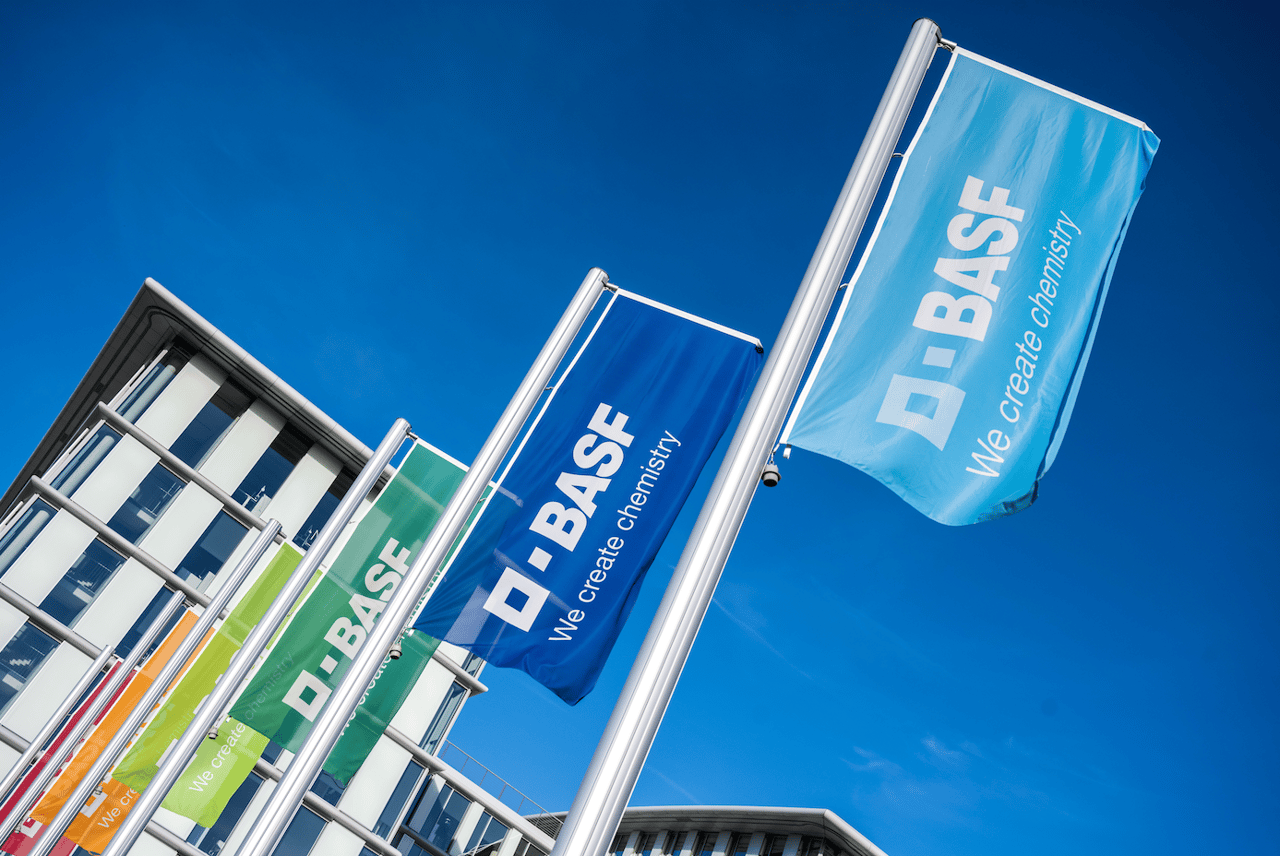
BASF is taking steps to shape the final terms of its acquisition bid, with CEO Markus Kamieth promising in a video message released today that forced layoffs will be ruled out until 2032 if the merger goes through, as the chemical giant intensifies its efforts to acquire one of its key rivals for $11.5 billion (€10.3 billion).
In the video, Kamieth stated that he understood there were issues and provided assurances to Evonik employees regarding their jobs.
“First, BASF will adhere to existing standard protocols. This means that operational dismissals will remain excluded until 2032,” he said. “Collective bargaining agreements and social partnership remain unaffected. We will continue to invest in training young people.”
According to Kamieth, the commitment will uphold existing venue agreements and collective bargaining contracts—but the organization quickly emphasized that it would not pursue a deal at any cost.
This commitment applies specifically to the acquisition scenario, rather than being a consequence of the merger’s completion, and should be regarded as part of the acquisition plan rather than as a signal that the transaction is imminent. For shareholders, the company emphasizes that the communication is two-way: specific safeguards for the workforce are accompanied by clear warnings from management that it will walk away if the numbers do not add up.
Evonik’s ambitions predate BASF’s approach.
According to Reuters, Evonik is also exploring the possibility of acquiring U.S. chemical group Ashland. The report stated that this review began before BASF’s interest in Evonik emerged, indicating it is not a defensive strategy—a timing detail significant for how the market interprets the situation. Nevertheless, it remains merely a review, not an agreed-upon transaction.
Kamieth stated, “Both BASF and Evonik are strong in specialty chemicals, offering innovative customer solutions and global reach.” However, BASF also holds an advantage through its integrated production network, which provides access to key building blocks across all major regions along the extensive value chain. The products and strengths of the two companies are complementary.
Furthermore, Kamieth pointed out that the European chemical industry is at a crossroads, with competitors from Asia and the Middle East becoming increasingly powerful in the sector.
He explained, “For years, the winds have been blowing, and they are growing ever stronger. We at BASF must respond to these challenging conditions. We are putting our own house in order.”
Kamieth pointed out that BASF’s Winning Ways strategy has been effective over the past two years, and now we aim to take the next step together with Evonik.
Kamieth pointed out the potential risks of acquisitions by foreign investors, stating, “The chemical industry is consolidating in one way or another.” “The question is: Do we shape this ourselves?”
BASF partnered with Evonik in September, offering approximately $23.92 (€22.15) per share, but Evonik rejected the bid as too low. BASF later stated that it might raise its offer if Evonik agreed to negotiations, while also courting RAG-Stiftung, the largest shareholder holding around 43% of the shares.
BASF continues share buybacks
As strategic initiatives continue to be deliberated by the Board of Directors, BASF has delivered on its capital return commitments. On Monday, the company reported the repurchase of 451,622 of its own shares during the previous trading week. According to mandatory disclosure requirements, BASF had repurchased a total of 6,497,911 shares under the program since its inception on August 3, as of October 16.
The dual-track development—workforce protection commitments, antitrust reviews of competitor acquisitions, and ongoing share buybacks—highlights just how unstable the consolidation landscape in the chemical industry remains as BASF, Evonik, and Ashland each weigh their next moves.
Kamieth stated that the company would continue negotiations, as it hopes BASF and Evonik can jointly shape the future.
He concluded: “Merger—we will not abandon it at any cost.” “We owe it to our shareholders and employees. But we firmly believe that together we can build something stronger than the two parts alone. Now, it is a question of mindset: either think small and separate, or think bigger together. A strong German chemical industry is the right answer to global competition. Let us shape it together—ultimately, it will be worth it.”
【Copyright and Disclaimer】The above information is collected and organized by PlastMatch. The copyright belongs to the original author. This article is reprinted for the purpose of providing more information, and it does not imply that PlastMatch endorses the views expressed in the article or guarantees its accuracy. If there are any errors in the source attribution or if your legitimate rights have been infringed, please contact us, and we will promptly correct or remove the content. If other media, websites, or individuals use the aforementioned content, they must clearly indicate the original source and origin of the work and assume legal responsibility on their own.
Most Popular
-

Differences Between Pc, As, Pp, And Tritan Four Common Water Bottle Materials
-
Covestro To Cut Antwerp PC Production Capacity, Close Bisphenol A Plant
-

[Overseas News] US Just Relaxed Rebates for Aluminum Can Stock, Saudi Arabia Turns Around and Imposes 38.7% Tax on Aluminum Can Lids
-
Silgan and AIP to Acquire Trivium for $3.4 Billion
-
2026 First-Half Polypropylene Market Review And Trend Outlook