A0-class cars getting more competitive?
On May 28, the all-new Geely Xingyuan was officially launched, with a limited-time promotional price ranging from RMB 61,800 to RMB 91,800. The entire lineup now offers an extended range of 410 to 480 km, is equipped with CATL battery cells and the Flyme Auto 2 system, and even brings Highway NOA to a car priced under RMB 100,000.
Delivering over 700,000 units in 573 days and becoming the overall category sales champion in 2025, the previous-generation Xingyuan has already proven the market potential of this segment. The launch of the all-new Xingyuan means that the competitive ceiling for A0-class pure electric compact cars has been raised yet again.
In fact, the renewal of the Star Wish is just a microcosm of the intensive vehicle deliveries in the A0 segment market in 2026.
In the same month, BYD launched the 2026 model of the Seagull, introducing lidar technology to the A00 segment for the first time. Prior to that, several new models such as the Leapmotor A10, Wuling Bingo S, and Chery QQ3 were successively launched.
In a price range of less than 100,000 yuan, there has been such a dense launch of new cars and the decentralization of technology, which is quite rare in the history of the automotive industry.
There is no lowest price, only lower.
The 50,000 to 90,000 yuan range is the core price band for A0-segment all-electric small cars, and also one of the most fiercely competitive tracks in the current automotive market.
In the first quarter of 2026, A0-segment battery electric vehicles grew by 190% year on year, far exceeding the 66% growth of the A-segment and the 120% growth of the B-segment, with almost all mainstream automakers having entered the market.
The “involution” in this market is first reflected in the double squeeze of price and battery life.
BYD’s 2026 Seagull increases its range to 505 km, with prices starting at RMB 69,900; the Wuling Bingo S, launched in March, pushes the range directly to 525 km; and the Chery QQ3 lowers the entry threshold to a new low with a starting price of RMB 58,900. While comprehensively upgrading its range, the all-new Xingyuan cuts its starting price from RMB 69,800 for the previous model to RMB 61,800, going down rather than up.
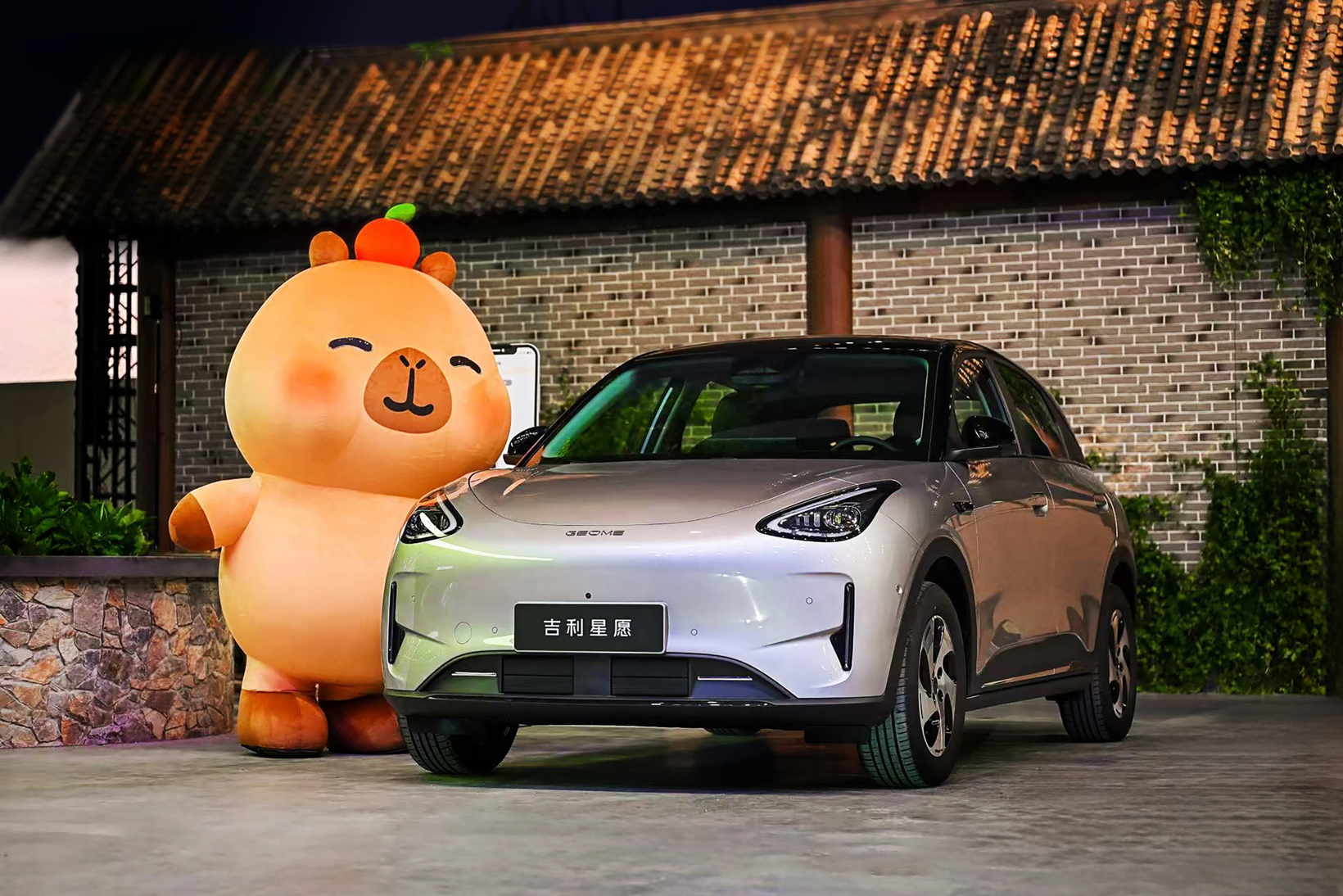
Image source: Geely Xingyuan
A year ago, the mainstream range for A0-class vehicles was still just over 300 km; today, 400 km has become the baseline.
However, price and driving range are merely the basic entry requirements. The real competitive focus of the A0-segment market in 2026 has shifted to the “trickle-down” of intelligent features.
The Leapmotor A10 packs a Qualcomm 8295 chip and LiDAR into a model starting at RMB 65,800; the 2026 BYD Seagull brings LiDAR to this segment for the first time, enabling advanced intelligent driving in the RMB 90,000 range with the optional package; and the all-new Geely Xingyuan is equipped with the Qianli Haohan H3 solution, with highway NOA as standard.
It was unimaginable two years ago to have a lidar and a high-computing-power chip for less than 70,000 yuan. Smart driving has rapidly moved down from a luxury feature in the 200,000- to 300,000-yuan range to the entry-level market, and the entire industry is reexamining the boundaries of its cost structure.
Driving control and safety are also becoming new areas of competition.
The all-new Xingyuan reindeer achieved a test speed of 80.7 km/h, with a fishhook test speed of 130 km/h, and the roof crush strength reached 3.4 times the vehicle’s weight; the Chery QQ3 comes standard across the entire lineup with liquid cooling and an independent suspension; the 2026 BYD Dolphin has been upgraded with CTB battery-body integration and a four-link independent suspension.
In the cost-sensitive A0 market, features that used to only appear in higher-level models are rapidly becoming more common.
From “a means of transportation” to “all-round competition”
The competition among A0-level pure electric vehicles is escalating, reflecting structural changes in the entire new energy market.
In April 2026, the retail penetration rate of new energy passenger vehicles in China surpassed 60% for the first time, reaching 61.4%. New energy vehicles have entered the mass market, and user expectations are rising accordingly. Consumers are no longer satisfied with simply “being able to drive”; they now expect sufficient range, up-to-date intelligence, uncompromised safety, and no sacrifice in driving dynamics.
This change in demand has given rise to a new trend of "value competition" replacing "price competition."
In the past, the key to winning in the A0 market was "who is cheaper," but now it has changed to "who offers more at the same price."
The all-new Star Wish’s more than 100 product upgrades and over 25 class-leading features reflect exactly this logic.
Leapmotor A10 leverages in-house cost control to bring smart features typically found in the 150,000-yuan range into the 60,000-yuan market; Chery QQ3 proclaims “safety without compromise, features without settling”; and Wuling Bingo S builds differentiation with class-above range. At their core, all are responding to the same demand: delivering a more complete product experience on a smaller budget.
At a deeper level, A0-segment all-electric small cars are becoming a “training ground” for automakers’ systemic capabilities.
In this highly cost-sensitive niche market, the ability to deliver intelligence, electric powertrain technology, and manufacturing craftsmanship beyond its class is itself proof of strength.
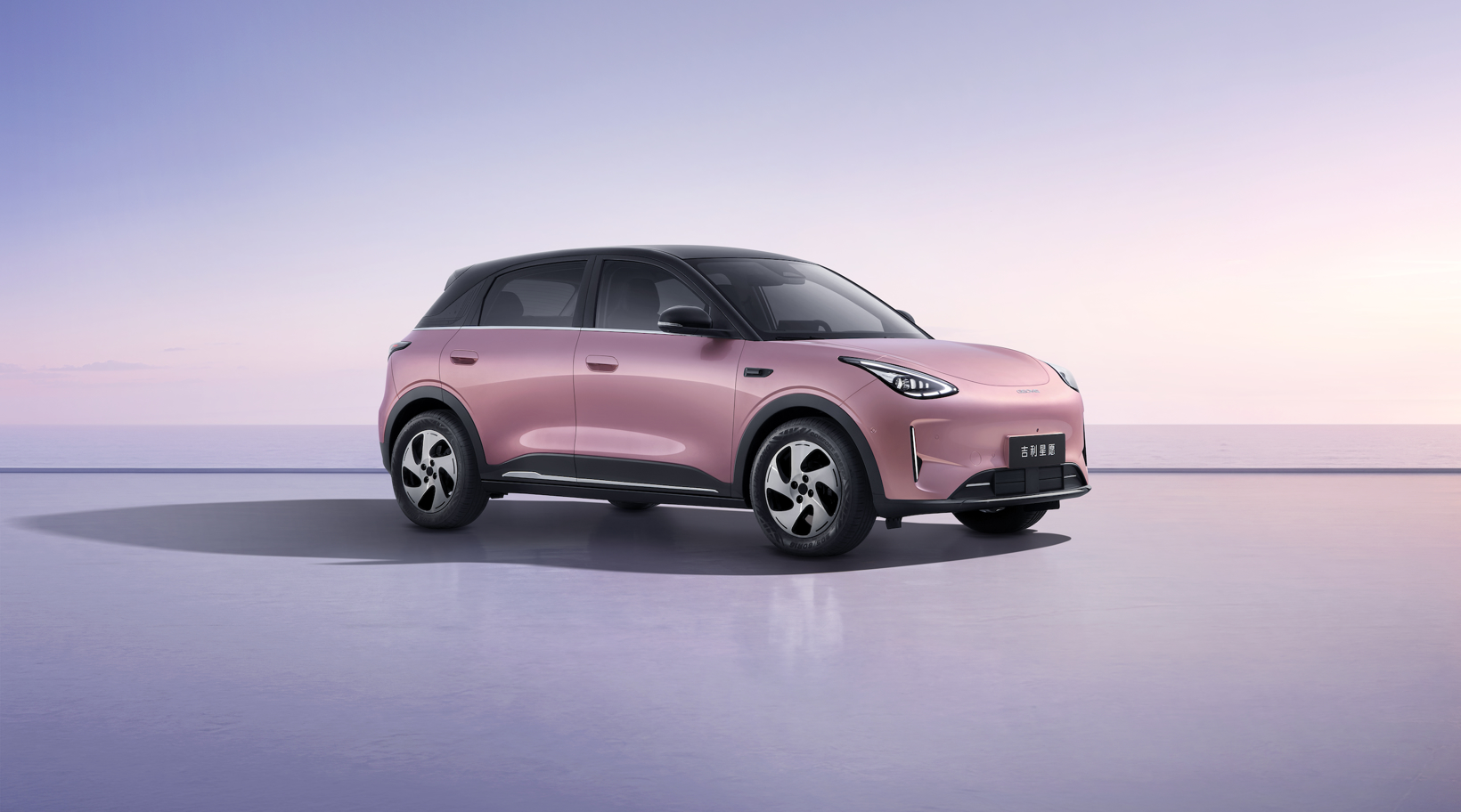
Image source: Geely Xingyuan
Geely Xingyue has transitioned from being the domestic sales champion to becoming one of the top three global new energy vehicles in the first quarter of 2026, which also proves the global potential of A0-class products.
In global emerging markets, the price range of RMB 60,000 to 100,000 happens to be the largest pocket of unmet demand, and Chinese automakers’ cost-control capabilities and ability to scale down advanced technologies in the A0 segment are poised to become a key lever for competing overseas.
However, intensified competition has also brought new challenges.
In February 2026, BYD Seagull’s sales plunged 78.1% year on year, briefly dropping out of the monthly top ten, exposing how even a former benchmark model can no longer rest easy amid intensive competition from rivals. Among the 15 models with wholesale volumes exceeding 20,000 units in April, only four pure electric micro and small cars remained—Xingyuan, Yuan UP, Seagull, and Dolphin—highlighting an increasingly pronounced concentration effect at the top.
The continuous shortening of product iteration cycles raises the question of how to maintain the accuracy of product definition and the stability of the supply chain during rapid iterations, which is a challenge that all entrants must address.
The intensifying competition among A0-segment small cars is far from over.
【Copyright and Disclaimer】The above information is collected and organized by PlastMatch. The copyright belongs to the original author. This article is reprinted for the purpose of providing more information, and it does not imply that PlastMatch endorses the views expressed in the article or guarantees its accuracy. If there are any errors in the source attribution or if your legitimate rights have been infringed, please contact us, and we will promptly correct or remove the content. If other media, websites, or individuals use the aforementioned content, they must clearly indicate the original source and origin of the work and assume legal responsibility on their own.
Most Popular
-
A Look at the Material Suppliers Behind SpaceX
-
Eastman France PET Depolymerization Plant: Project "Alive," But Construction Paused
-

Mitsubishi Chemical Plans To Split Petrochemical Business By 2028
-

Bola Carbon Black Announces Global Restructuring of Specialty Carbon Black and Multi-Walled Carbon Nanotube Business
-

Gas Explosion Accident at Shanxi Tongzhou Group Liushenyu Coal Mine Results in 82 Deaths