



Trump: United States to Impose 15% Tariff on South Korean Imports
On July 30, U.S. President Trump announced that the United States will impose a 15% tariff on imported goods from South Korea, which is lower than the previously threatened 25%. Meanwhile, South Korea agreed to invest $350 billion in the United States.
Shortly after meeting with South Korean officials at the White House, Trump announced the agreement. This came at a time when the United States was rolling out a series of trade policies, and the August 1 deadline for the tariffs set by the Trump administration was rapidly approaching.
Trump posted on his social media platform, stating, "The United States has agreed to reach a comprehensive and complete trade agreement with South Korea. We have agreed to impose a 15% tariff on South Korea, while the United States will not be subjected to tariffs by South Korea."
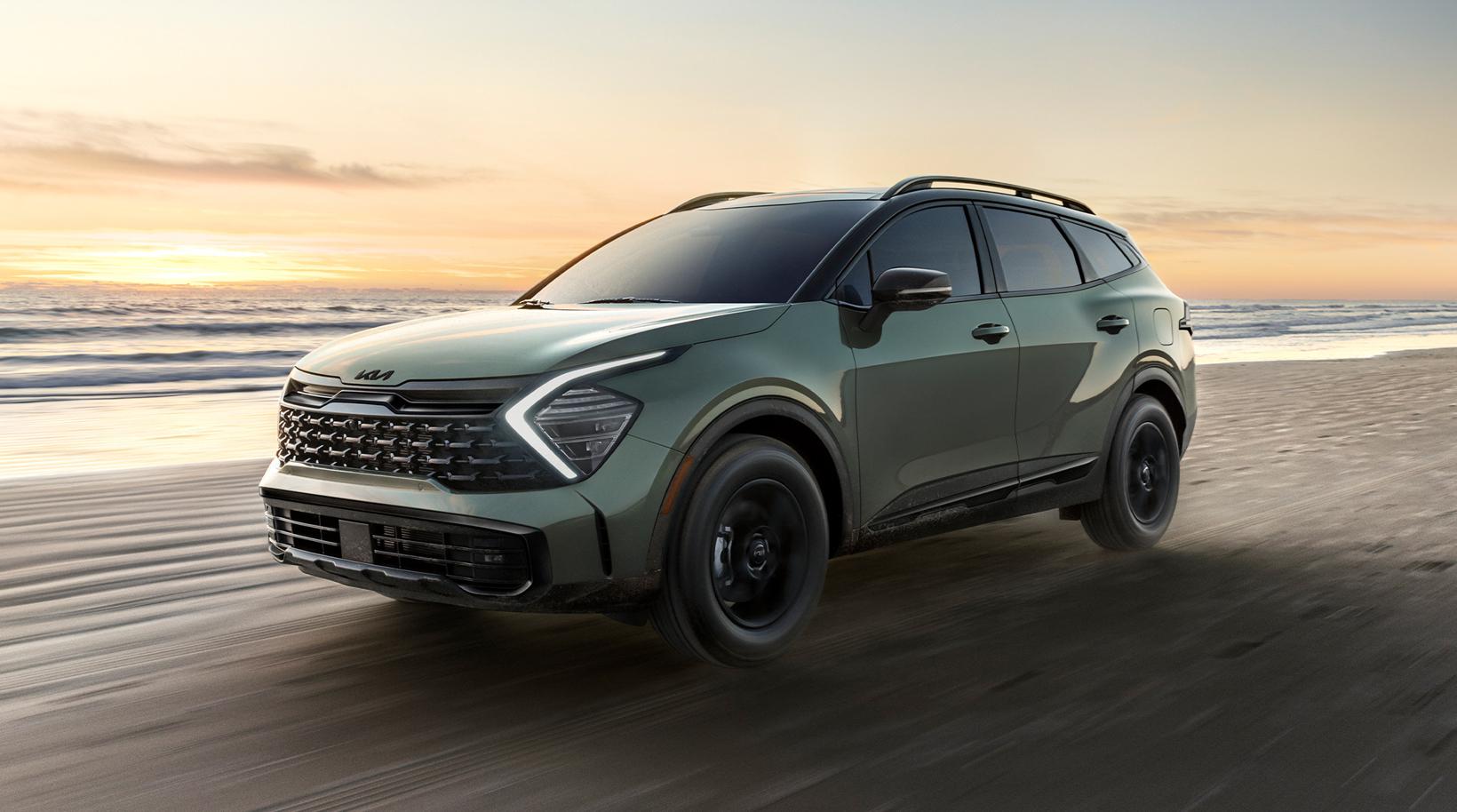
Image source: Kia Motors
Trump also stated that South Korea agreed to invest $350 billion in the United States for projects he selected, and to purchase $100 billion worth of American energy products. Additionally, South Korea will accept American products into its market, including automobiles and agricultural products, without imposing import tariffs on these products.
The newly elected President of South Korea, Lee Jae-myung, stated that the agreement has eliminated the uncertainties in the export environment, and the tariffs imposed by the United States on South Korea are lower than or on par with those of major competitors. He said, "We have overcome a significant obstacle."
Trump previously stated that starting from August 1, the United States would impose higher tariffs on imports from several countries. South Korea, being a major exporter of computer chips, automobiles, and steel, faced a 25% tariff on goods exported to the U.S. before a trade agreement was reached at the last minute on July 30.
Kim Yong-beom, the Chief of Policy at the South Korean Presidential Office, stated at a press conference that out of the $350 billion investment fund, $150 billion will be allocated to shipbuilding cooperation projects, and $200 billion will be invested in sectors such as chips, nuclear power, batteries, and biotechnology. He mentioned that the existing investment plans of South Korean companies will also be included in this fund.
Kim Yong-beom also stated that South Korea's energy purchases from the U.S. will include liquefied natural gas, liquefied petroleum gas, crude oil, and a small amount of coal.
U.S. Commerce Secretary Howard Lutnick stated that South Korea's energy procurement will be completed "within the next three and a half years." He also mentioned that the tariffs imposed by the United States on South Korean automobiles will be set at 15%, and South Korean semiconductor and pharmaceutical exports will not be subject to stricter restrictions than similar products from other countries. Steel, aluminum, and copper are not covered by the new agreement.
【Copyright and Disclaimer】The above information is collected and organized by PlastMatch. The copyright belongs to the original author. This article is reprinted for the purpose of providing more information, and it does not imply that PlastMatch endorses the views expressed in the article or guarantees its accuracy. If there are any errors in the source attribution or if your legitimate rights have been infringed, please contact us, and we will promptly correct or remove the content. If other media, websites, or individuals use the aforementioned content, they must clearly indicate the original source and origin of the work and assume legal responsibility on their own.
Most Popular
-
Mexico Imposes Tariff Up to 36% on Cross-Border E-Commerce Products, Effective January 1, 2026; Plastic Shows Partial Fluctuation Today
-
[Overseas News] Sumitomo Chemical Acquires Solvay's LCP Business! SK Chemicals Builds Circular Economy Model For Waste Banners!
-
Trump Delays Tariff Increase on Furniture, Cabinets, and Vanities
-
4.5 Million Tons! Wanhua Chemical Dominates Globally in MDI, Heavy Investment in Battery Materials Spurs New Storm
-
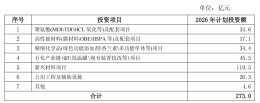
Wanhua Chemical Invests $27.3 Billion, 2026 Investment Map Revealed, $1.1 Billion Bet on Battery Materials


