Trillion-Dollar Low-Altitude Economy Trend Emerges! What Innovative Plastics Are Suitable?
The low-altitude economy has now become a booming sector. Drones, once regarded merely as high-end toys, are now being widely deployed in areas such as agricultural and forestry plant protection, terrain surveying, urban logistics and delivery, and emergency rescue and disaster relief. Their application boundaries continue to expand, and various low-altitude economic scenarios may see explosive growth in the future.
From the perspective of material applications, the operating conditions of low-altitude aircraft are complex and the scenarios are diverse, making it difficult for any single base material to meet all requirements.
This article combines the practical experience of more than ten senior R&D engineers and, with reference to the Low-Altitude Economy Scenario White Paper published by the Chinese Society of Aeronautics and Astronautics, provides an in-depth analysis of material selection logic for different application scenarios in the low-altitude economy, and reviews the characteristics of various high-quality plastics and metal materials suitable for the low-altitude sector.
01
Metal vs. Modified Plastics:
Comparison of Advantages and Disadvantages of Low-Altitude Flying Vehicle Materials
Material selection for unmanned aerial vehicles (UAVs), eVTOLs and other low-altitude aircraft—whether for carrying people, carrying cargo, logistics transportation, tourism and sightseeing, or agricultural and forestry operations—must simultaneously satisfy seven core criteria: lightweight, high strength and high stiffness with impact resistance, wide-temperature-range weatherability (−40°C to 80°C), resistance to oil and salt-spray corrosion, ease of machining and assembly, compliance with UL94 V-0/V-2 flame-retardant standards, and controllable cost.
Traditional metal materials
In the early low-altitude sector, metallic materials were the mainstream, with representative materials including aluminum alloys and titanium alloys.
Aluminum alloy: a benchmark for metal lightweighting, with a density of only 2.7 g/cm³, which is 30%-50% lighter than steel; it has good corrosion resistance and can serve for a long time after surface treatment, excellent processing performance, and high cost-effectiveness.
Titanium alloy: a high-performance special material with a tensile strength exceeding 1200 MPa, stable mechanical properties at high temperatures, and excellent resistance to acid, alkali, and salt spray corrosion.
However, metal materials also have significant drawbacks: titanium alloys are extremely expensive and difficult to process; their overall weight is relatively high, which reduces aircraft endurance and flight agility, making them difficult to adapt to the ultra-lightweight, high-mobility requirements of low-altitude economy development.
Mainstream innovative plastic substrates
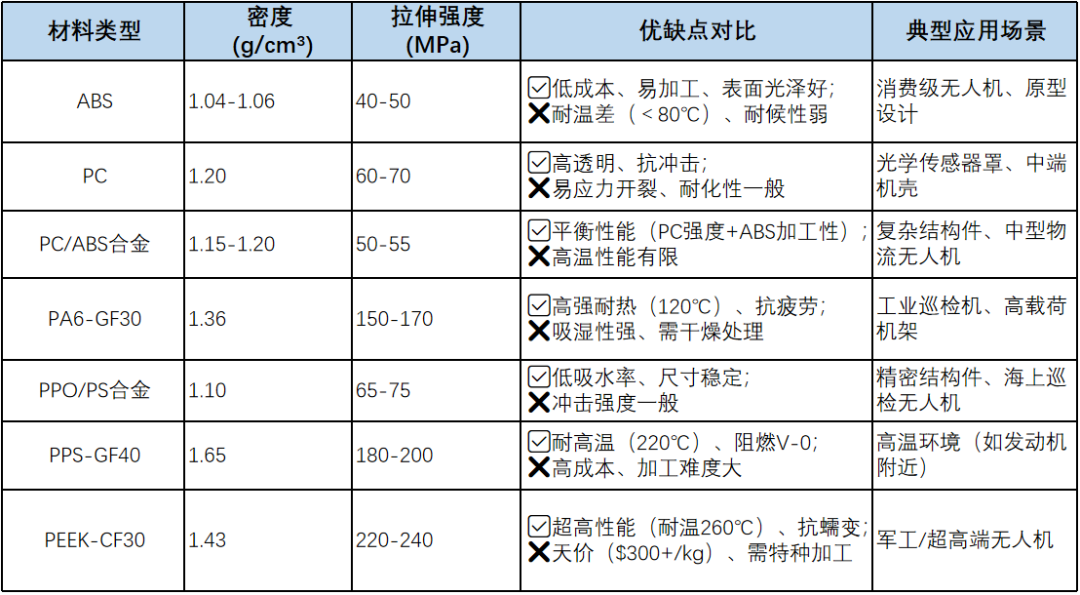
Thanks to their inherent advantages of low density and lightweight design, various modified plastics have become core materials for low-altitude aircraft as substitutes for metal, with different plastics positioned for different performance requirements.
02
Scene-based Material Selection Guide:
Material Solutions for the Three Core Low-Altitude Scenarios
Based on the low-altitude economic scenario matrix, select three high-frequency scenarios: agriculture and forestry, transportation, and marine environmental monitoring, and outline precise material selection plans.
Scene 1: Low-altitude Operations in Agriculture and Forestry
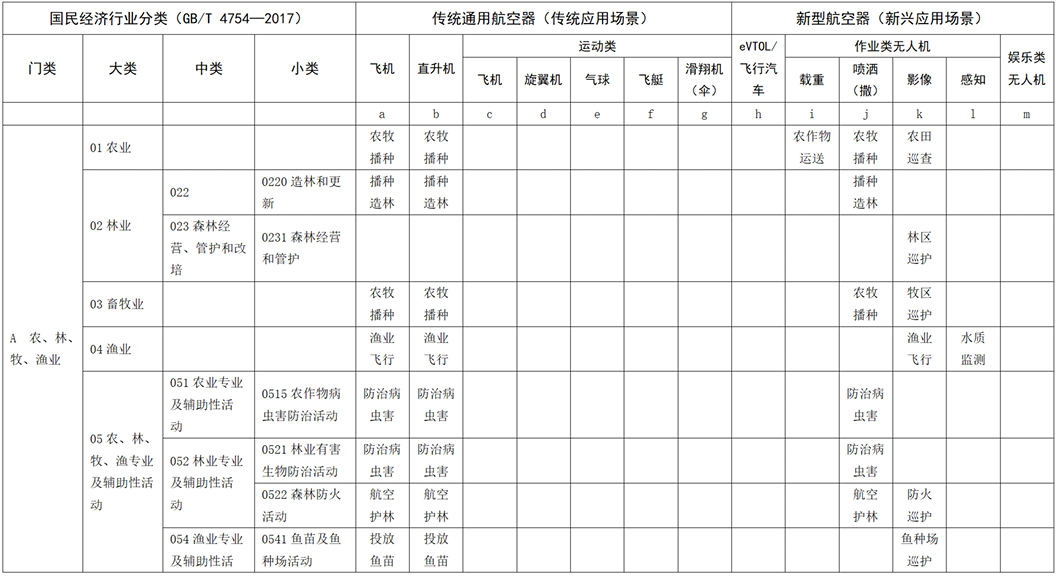
Covers scenarios such as crop transportation, sowing inspection, aerial pesticide spraying, forest fire patrol, and fish fry delivery in aquaculture; the key material requirements are resistance to heat and humidity as well as corrosion from chemical pesticides.
Airframe structure, spray support frame, and other load-bearing structural components:
-
PA6-GF30 is preferred for its high strength and fatigue resistance, and its moisture absorption drawbacks can be compensated for by surface coating.
-
Precision structural components are made of PPO/PS alloy, flame-retardant and resistant to pesticide corrosion.
-
High-load repeatedly stressed connectors are made of titanium alloy, which is highly corrosion-resistant and extremely durable.
Spray nozzle, pesticide pipeline, storage container.
Using PPS-GF40 in combination with titanium alloy lining, leveraging the high-temperature resistance and corrosion resistance of PPS, supplemented by the titanium alloy to prevent pesticide penetration, thereby extending service life.
Lightweight internal components (control panels, cockpit interior trim, lining panels)
-
Interior panels, control panels, and observation windows: use low-cost, easy-to-process ABS for non-load-bearing decorative parts.
-
The monitoring screen enclosure and observation window are made of impact-resistant PC.
-
Lightweight secondary structural components can be made from anodized aluminum alloys, which are better suited to humid and hot environments and are more cost-effective.
Scenario 2: Low-altitude transportation
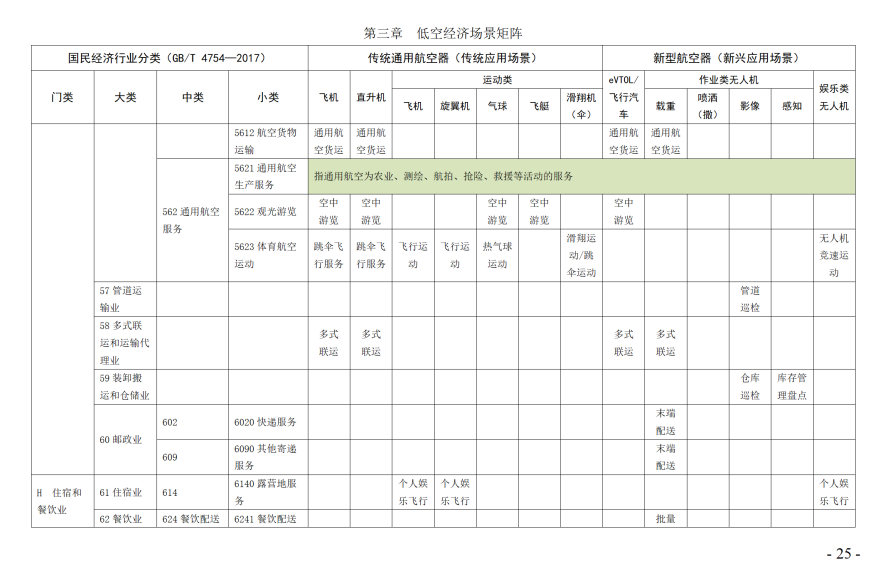
It includes scenarios such as passenger transportation, cargo delivery, aerial surveying and mapping, and emergency rescue operations. The core material requirements are ultra-lightweight, high rigidity and high strength, impact resistance, and high structural stability.
Main load-bearing components such as the fuselage primary frame and landing gear:
-
PA6-GF30 is selected for standard operating conditions, offering lightweight and high rigidity to improve load capacity and flight safety.
-
The critical connecting components of the rescue equipment are made of PEEK-CF40, offering excellent fatigue resistance and top-tier strength.
-
The high-load rescue hook interface is made of titanium alloy, which has excellent specific strength.
-
The secondary load-bearing brackets in the cargo hold may alternatively be made of aluminum alloy.
Dashboard, hatch hinge, precision connectors.
-
Select PC/ABS alloy to accommodate complex designs, balancing heat resistance, strength, and weight reduction requirements.
-
For precision moving fit components, aluminum alloy is preferred, as its machining accuracy is superior to that of titanium alloy.
High-speed moving components such as rotor shafts and transmission gears:
PEEK-CF40 substrate with a titanium alloy coating, combining wear resistance and vibration damping, high-temperature resistance, and surface hardness.
Porthole, camera protective cover:
Using transparent impact-resistant PC to ensure clear aerial photography and monitoring visibility.
Scenario 3: Marine Environmental Monitoring
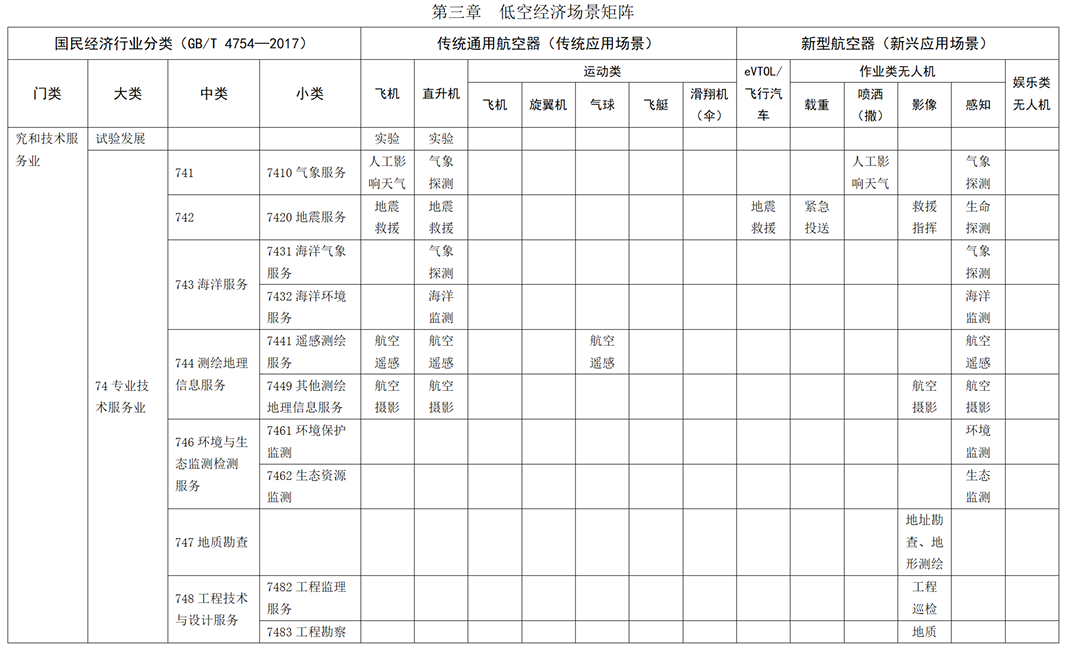
Long-term exposure to salt spray, high humidity, and seawater corrosion environments; the key material requirements are resistance to salt spray and seawater corrosion, weather and temperature resistance, and strong sealing stability.
Sensor housing, external brackets, buoy, and other exposed components.
-
For structures intended for long-term immersion, titanium alloys are irreplaceable for their resistance to seawater corrosion.
-
Low-cost float brackets are made of anodized aluminum alloy.
-
Precision monitoring equipment is compatible with PPO/PS alloys, featuring excellent salt spray corrosion resistance.
-
The engine compartment and components around the photovoltaic panels are made of PPS-GF40, which is high-temperature resistant and flame-retardant.
Data Sealing Cabin, Core Monitoring Component
PEEK-CF40 is adopted for its creep resistance and low moisture absorption, preventing performance degradation in high-humidity environments and making it suitable for long-life precision instruments.
Precision Instrument Sealing Chamber
PPO/PS alloy is paired with a titanium alloy frame. The alloy is resistant to seawater corrosion, while the titanium alloy provides rigid support to prevent deformation of the cabin body.
Engine housing, high-temperature area of exhaust pipe.
The PPS-GF40 substrate paired with titanium alloy fasteners prevents connection failures caused by metal corrosion.
Scenario Material Selection Summary
Cost-sensitive (agricultural and forestry operations): based on PA6-GF30 + aluminum alloy, with PPS-GF40 and titanium alloy used only at key pesticide corrosion-prone points.
Performance-priority (rescue transport): The core load-bearing structure adopts a titanium alloy + PEEK-CF40 combination, balancing lightweight design and extreme strength.
Extreme-environment type (marine monitoring): Long-term submerged components must use titanium alloy, combined with PPO/PS alloy and anodized aluminum alloy to control overall costs.
Industry-standard material selection approach: adopt a combination model of low-cost base materials and high-performance materials in critical areas; performance and cost can also be optimally balanced through metal-plastic composite structures, such as embedding titanium alloy reinforcing ribs within a plastic frame.
03
Emerging stringent scenarios:
Iterative Upgrading of New-Generation High-Performance Materials
In addition to the conventional three major application scenarios, harsh operating conditions such as extreme polar cold, desert high temperatures, wetland high humidity, and medical disinfection, as well as industry trends toward thinner walls and extreme lightweighting, have placed even higher demands on materials, giving rise to a range of new modified materials.
Extreme cold environment (-60℃ to 0℃)
Pain points: material embrittlement at low temperatures, a sharp decline in toughness, and easy cracking at interfaces.
-
Low-temperature modified PEI polyetherimide:
Retains 90% of its impact strength even at -100°C, with excellent resistance to freeze cracking and stable electrical insulation, making it suitable for polar research drone housings and battery compartment brackets.
-
Carbon fiber-reinforced PEEK:
At -50°C, the bending strength decreases by only 5%, offering resistance to thermal cycling and making it suitable for high-load components such as landing gear in aircraft operating in extremely cold environments.
Desert high-temperature environment (above 60°C)
Pain points: material softening at high temperatures, UV aging, and severe sand abrasion.
-
PI polyimide nanocomposites: capable of withstanding long-term temperatures up to 260°C; with a compatible UV-resistant coating, they can block 98% of ultraviolet radiation; offer excellent resistance to sand impact; used for desert inspection drone housings and photovoltaic panel brackets.
-
Ceramic-filled PPS (PPS-CF30): Maintains 85% strength at 180°C, resistant to dry heat aging, suitable for engine cooling grilles.
-
Metalized ASA: Composite aluminum-magnesium alloy coating that can reflect heat and reduce internal temperature rise of equipment, suitable for electronic device enclosures in desert conditions.
Trend toward ultra-thin walls
Traditional materials in thin-walled forming are prone to issues such as warping, insufficient strength, and appearance defects. Blade plastic has become the optimal solution.
Through molecular structure optimization and a specialized reinforcement formulation, it maintains high flexural strength and impact resistance even in thin-wall conditions, enabling ultra-thin product designs while reducing material usage and weight, and simultaneously balancing mechanical performance with an attractive appearance and premium feel.
Extreme Lightweight Trend
Compared with traditional plastics, microcellular nitrogen-foamed PPA (PPA-MF) achieves more than 50% weight reduction. With a density as low as 0.6 g/cm³ and a closed-cell structure that is waterproof and moisture-resistant, it can be used in components such as pontoons for water rescue drones.
As low-altitude economy scenarios continue to expand, various high-performance modified plastics and composite new materials are also continuously evolving, and will continue to support the lightweighting, high durability, and cost reduction of aircraft.
【Copyright and Disclaimer】The above information is collected and organized by PlastMatch. The copyright belongs to the original author. This article is reprinted for the purpose of providing more information, and it does not imply that PlastMatch endorses the views expressed in the article or guarantees its accuracy. If there are any errors in the source attribution or if your legitimate rights have been infringed, please contact us, and we will promptly correct or remove the content. If other media, websites, or individuals use the aforementioned content, they must clearly indicate the original source and origin of the work and assume legal responsibility on their own.
Most Popular
-

Layoffs, Divestments, Plant Closures While Pouring Billions: BASF Undergoes Major Transformation!
-
Ascend Adipic Acid Hit By Force Majeure, Market Expects Supply Resumption In Mid-September
-
Raw Material Supply Shortage! INEOS Phenol Declares Force Majeure on Phenol and Acetone Businesses
-
South Korea initiates anti-dumping investigation against Chinese PVC suspension resin! The target is Tianjin Bohua and Wanhua Chemical. How to break through?
-

Sixth national procurement set to be implemented: A “Reshuffling” Moment for the $10-Billion Medical Device Market