TPU Knit Upper! On Launches First Mass-Produced Shoe Using LightSpray™ Technology

Swiss sports brand On launched the TPU upper spray weaving technology – LightSpray™ in 2024, aiming to provide a super lightweight solution for running shoe uppers. Now, this technology has been applied to the all-new LightSpray Cloudmonster 3 Hyper running shoes, becoming the first mass-produced shoe model to adopt LightSpray™ technology.
The On LightSpray Cloudmonster 3 Hyper running shoes will debut in North America on March 5, 2026, priced at $280, followed by a global release on April 16, 2026.
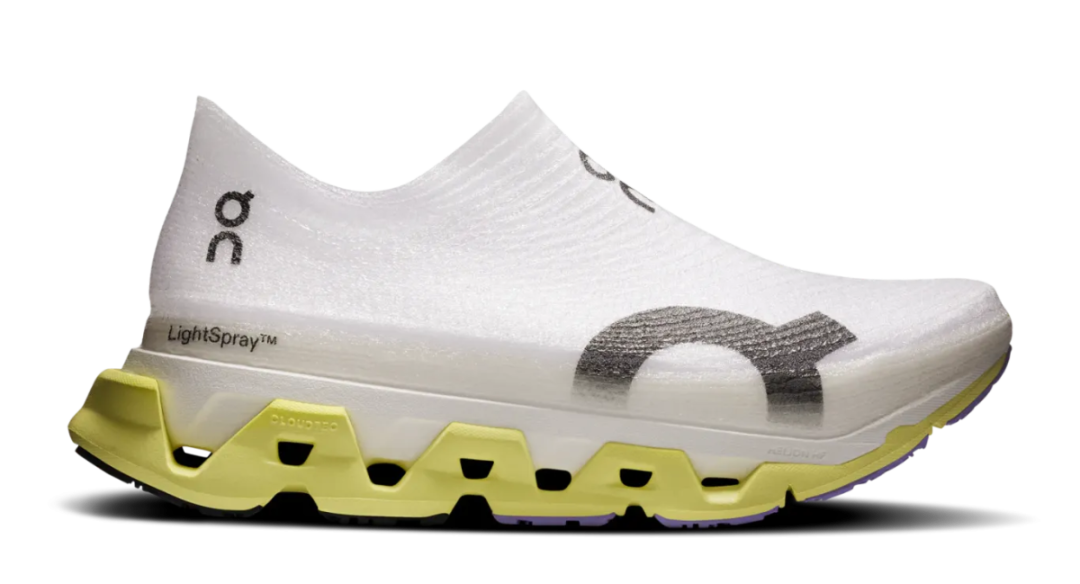
Four years ago, Saucony launched the popular Cloudmonster running shoe series, which became the go-to choice for runners seeking maximum cushioning. Now, the third generation of the series is officially unveiled — leading the way is the LightSpray Cloudmonster 3 Hyper, one of Saucony's most innovative shoe models to date. This shoe consists of only eight components — the upper, two midsole parts, and five small rubber elements — and weighs just 205 grams (men's US 8.5, 42 size).
On July 2, 2025, On officially inaugurated the world's first LightSpray™ production facility at its headquarters in Zurich, Switzerland. Equipped with four robots, this facility enables the industrial-scale mass production of LightSpray™ technology. In February 2026, On opened its second global—and first overseas—LightSpray™ production facility near Busan, South Korea, marking the technology's transition from Swiss-based R&D to global-scale manufacturing.

LightSpray™ technology uses a robotic arm and a 1.5-km-long thermoplastic polyurethane (TPU) filament to “spray” a seamless, ultra-lightweight upper in just three minutes—weighing only 30 grams. Compared to the traditional manufacturing process, which requires approximately 200 steps, LightSpray™ is projected to reduce carbon emissions by 75% and eliminates the need for adhesive bonding, representing a more efficient and sustainable manufacturing approach.
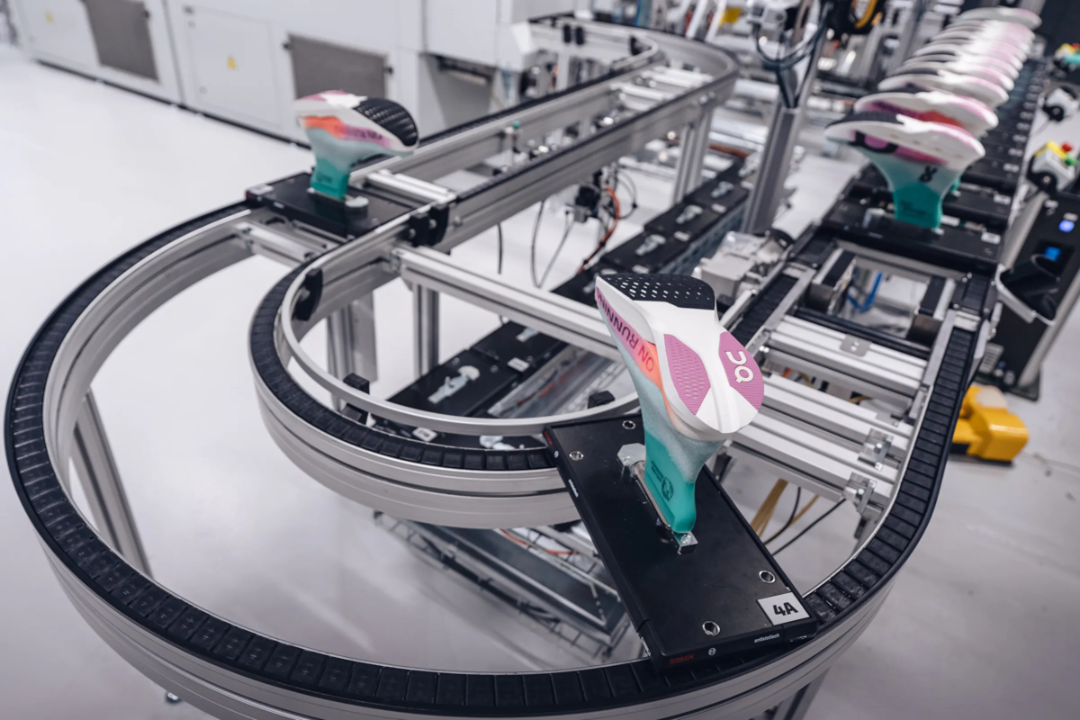
With the release of the first mass-produced shoe model using LightSpray™ technology, we take a look back at the origin of LightSpray™ technology and how it has revolutionized traditional shoemaking processes.
Initially, Johannes Voelchert, a senior member of On’s innovation team, came across a video showing how to create spider webs using a hot glue gun as a Halloween decoration. He wondered whether the same method could be used to make shoes. Rather than dismissing the idea, On’s innovation team took it very seriously.
Four years later, this solo experiment expanded to include 20 designers and engineers within the Swiss footwear company. Initially, the team attempted to create simple upper prototypes using handheld hot glue guns; later, they developed a device capable of continuously generating fibers to form engineered structures—a device that ultimately evolved into a robotic arm capable of seamless, one-step spray-weaving.
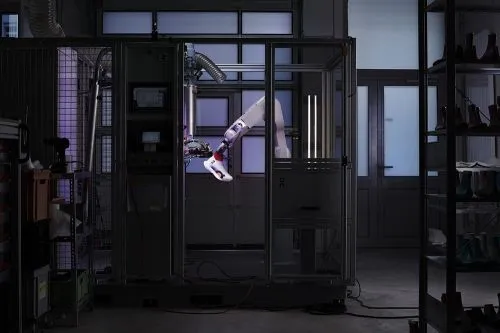
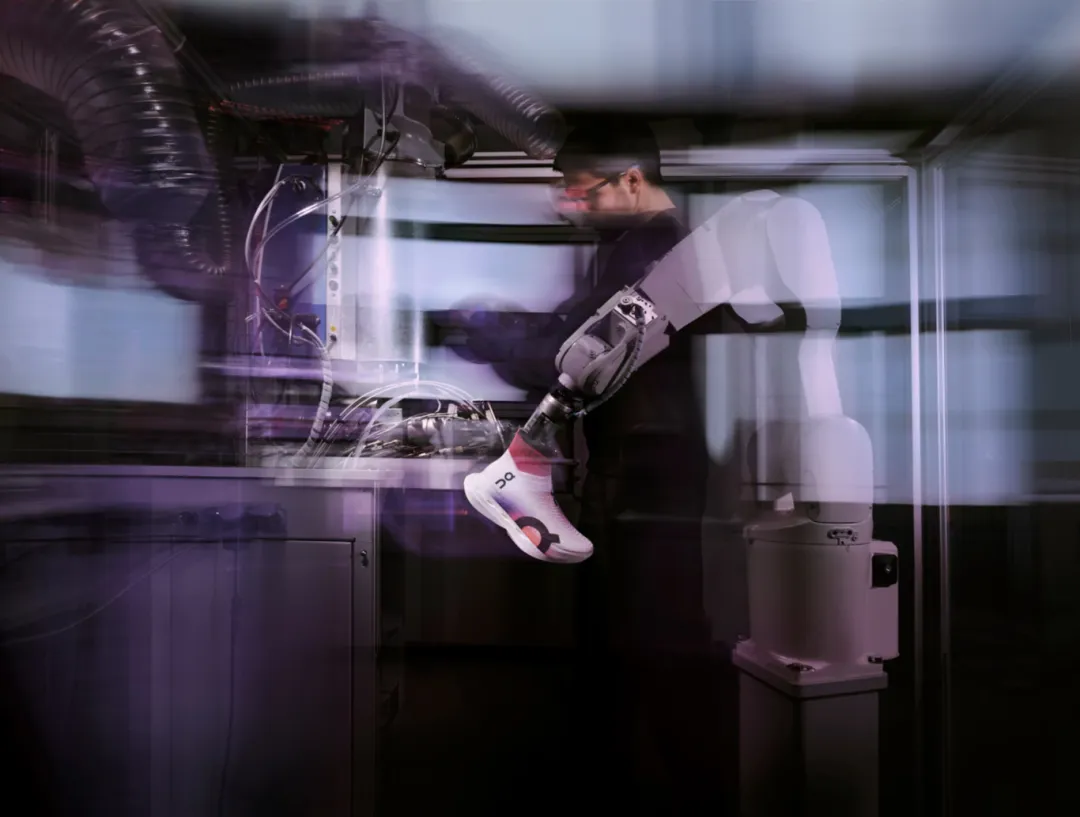
The end result is a new athletic shoe manufacturing method named Lightspray™. By placing the shoe last on a robotic arm, On has enabled the entire shoe upper to be sprayed in just three minutes using a continuous TPU filament.
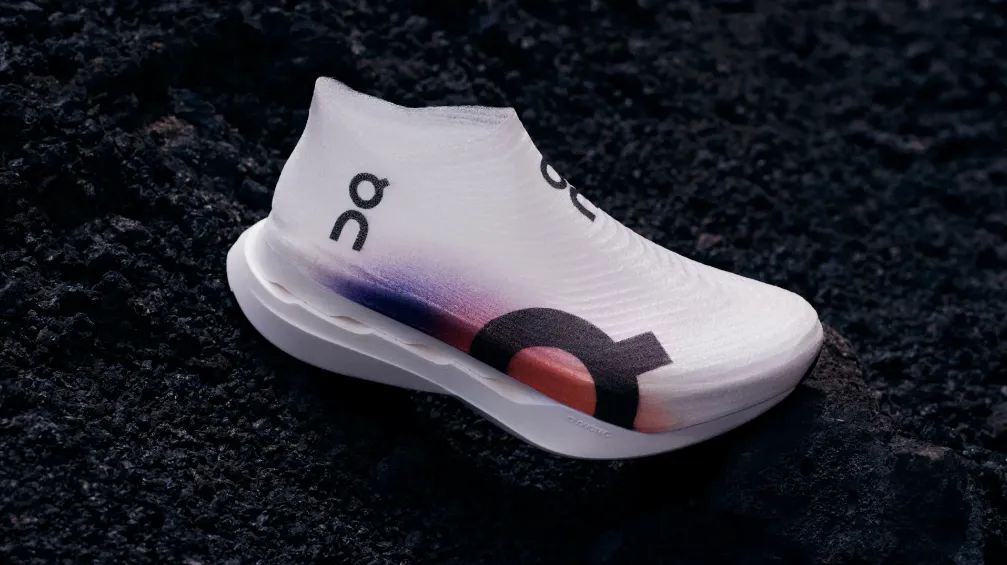
On Running’s Senior Director of Footwear, Ilmarin Heitz, stated: “This is important because the upper is the most difficult part of a sneaker to produce. The chunky outsole is made in a mold, but the upper involves all the challenges of traditional apparel manufacturing, including various fabrics, tension lines, stitching, and adhesives. Modern shoemaking isn’t that modern—it still relies on 2D constructions... We’re trying to create a highly complex 3D structure for the upper.”
When we add up all the suppliers involved in the process of making the upper, it can take days to produce a pair of sports shoes - which may include up to 100 parts. Adding real-world logistics and transportation, it can take weeks. But a shoe produced with Lightspray™ technology consists of only five parts, and the total production of a pair of shoes takes just six minutes.
Leveraging the application of LightSpray™ technology, Salomon has not only achieved innovations in the appearance, feel, and performance of its footwear, but has also further advanced the production, design, and development processes of sports equipment. The traditional pattern-making process will be replaced by computers and robotic programming, while the components of the LightSpray™ device can be individually engineered according to different instructions, and quickly prototyped through new programs, transforming creative ideas into tangible products within a few hours.
To produce shoes using Lightspray™ technology, the outsole and last are first fixed onto a robotic arm. As the robotic arm rotates the shoe, thermoplastic polyurethane (TPU) is extruded from a hot-melt spray nozzle—much like an ornate garden hose nozzle—creating spiral fibers. Thanks to its integrated hot-melt technology, Lightspray™ enables seamless bonding between the upper and midsole without adhesives. Although the upper is made from a single material, On can still adjust breathability, elasticity, and support in different areas through two methods: moving the shoe closer to or farther from the hot-melt spray nozzle, or increasing or decreasing the diameter of the spiral.
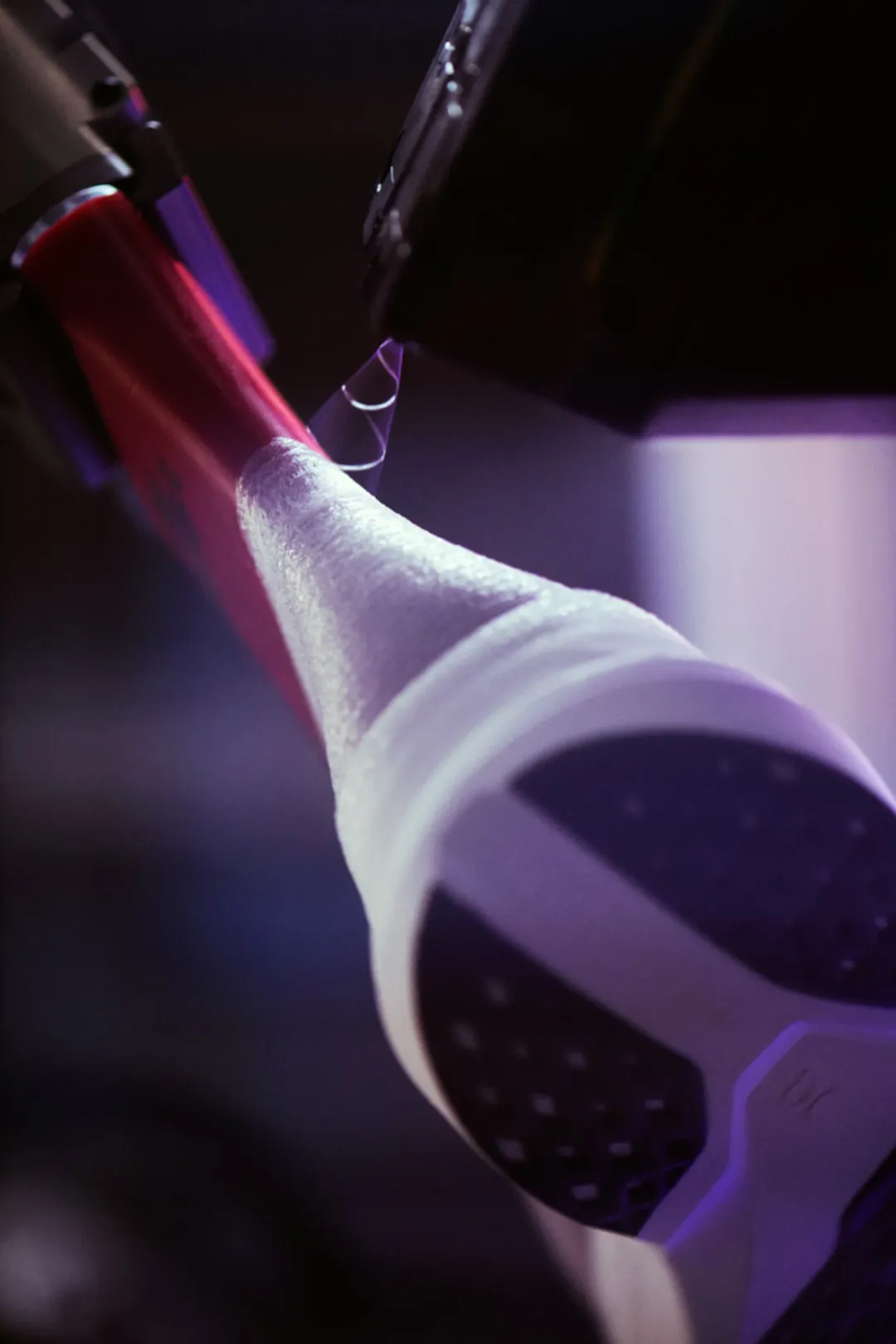
After the upper is made using LightSpray™ technology, the brand logo is sprayed onto the upper using a fully automated inkjet method, which quickly cures in just a few minutes, allowing the shoes to be worn immediately. Compared to traditional hot stamping processes, this method uses almost no water and offers greater design flexibility.
Featuring LightSpray™ technology, each pair of running shoes can be produced and assembled in just 3 minutes.
This more efficient manufacturing process not only minimizes production waste but also reduces the carbon footprint by approximately 75% compared to On's production methods for other racing shoes. (If the shoes are disassembled, the TPU is technically recyclable, and On states that recycled TPU can be used in the shoes.)
It is claimed that the launch of LightSpray™ technology is not only expected to completely transform the traditional manufacturing model of footwear but also has the potential to be applied to various other wearable products in the sports industry.
Ilmarin Heitz said, "There are no limitations to this technology. You can produce what you want, where you want, and in the quantities you want."
After four years of dedicated research and development by the On team, the brand chose the 2024 Paris Olympics—a global stage—to officially unveil its LightSpray™ technology. As the official sponsor of the Swiss Olympic team, On saw multiple elite athletes compete wearing the first product featuring this technology: the Cloudboom Strike LS racing shoe.
Marathon legend Hellen Obiri won the 2024 Boston Marathon wearing the prototype of the Cloudboom Strike LS, the first shoe to feature LightSpray™ technology.

▪The Cloudboom Strike LS was On’s lightest shoe in its product lineup at the time, with a total weight of 170 g for men’s size US 8.5 and 158 g for women’s size US 7.
▪ This shoe model features a dual-layer Helion™ hyper foam midsole made from Pebax® material containing over 40% bio-based content, offering a soft ground feel and excellent propulsion.
Computer-aided engineering can optimize the outsole design based on the runner's pressure parameters, enhancing traction, reducing weight, and effectively increasing the ground contact area.
▪LightSpray™’s adhesive-free bonding technology enables a more streamlined construction of the Cloudboom Strike LS, eliminating the insole and lining to provide zero-distance contact with the Helion™ hyper foam ultra-responsive midsole, thereby reducing energy loss.
【Copyright and Disclaimer】The above information is collected and organized by PlastMatch. The copyright belongs to the original author. This article is reprinted for the purpose of providing more information, and it does not imply that PlastMatch endorses the views expressed in the article or guarantees its accuracy. If there are any errors in the source attribution or if your legitimate rights have been infringed, please contact us, and we will promptly correct or remove the content. If other media, websites, or individuals use the aforementioned content, they must clearly indicate the original source and origin of the work and assume legal responsibility on their own.
Most Popular
-

Middle East Tension Spikes Global Energy Pattern, Crude Oil and Plastic Industries Face Multiple Challenges
-
Middle East Tensions Escalate Sharply: How Polyolefins Respond Amid Soaring Risk Premium
-

Middle East Polymer Export Hub Hit in Sudden Attack, Global Supply Chain Sounds Alarm
-
[Forward-Looking Analysis] Impact of Escalating U.S.-Iran Tensions on Domestic Chemical Market
-

Futures Surge Violently, Polyolefin Spot Prices Rise Sharply in Tandem