



Over 1.2 million medical device adverse event reports were submitted late.
Recently, the British Medical Journal (BMJ) released a latest data analysis, revealing serious delays in the submission of adverse event reports for medical devices in the United States. The data shows that more than 1.2 million adverse event reports for medical devices were not submitted to the U.S. Food and Drug Administration (FDA) by the deadlines stipulated in federal regulations.
According to the researchers' analysis, more than 400,000 of these overdue reports were submitted more than six months after the manufacturers received the adverse event notifications. This finding has raised widespread concern, as delayed reporting of adverse events can seriously impede the early detection of patient safety issues.
In the United States, most medical devices are required by manufacturers to report to the FDA when their devices malfunction or may cause or contribute to death or serious injury upon approval. According to federal law, manufacturers must submit a report to the FDA's Manufacturer and User Facility Device Experience (MAUDE) database within 30 days of becoming aware of an adverse event. However, the actual situation is far from optimistic.
The MAUDE database, as a crucial tool for the FDA to monitor the safety of medical devices, has known limitations. Some media reports indicate that manufacturers have even failed to report adverse events to MAUDE years after the regulatory deadlines. To investigate this issue in depth, a team of U.S. researchers conducted a detailed analysis of manufacturer reports received by the FDA over a three-and-a-half-year period from September 1, 2019, to December 31, 2022.
During this period, the FDA received a total of 4,432,548 reports involving 3,028 unique manufacturers and 88,448 unique devices, including 13,587 death reports, 1,552,268 injury reports, and 2,866,693 malfunction reports. However, it is concerning that only 71% (3,146,957) of the adverse event reports were submitted on time within 30 days, while 4.5% (197,606) were delayed between 31 to 180 days, and 9.1% (402,891) were submitted after 180 days.
These delayed reports involve a total of 1,004 deaths, 198,051 injuries, and 401,442 malfunctions. Further analysis shows that more than 50% of the delayed reports are attributed to three manufacturers and 13 types of medical devices, many of which, such as infusion pumps and blood glucose monitors, are crucial for patient care.
In addition, researchers found that nearly one-sixth (685,094 reports) had missing or invalid date data provided by the manufacturers. After excluding these reports with missing or invalid times, the percentage of delayed reports for high-risk devices (Class III devices) was higher at 22.4%, while for low-risk devices (Class I devices), the percentage of delayed reports was 6.9%.
Although researchers have pointed out some limitations, such as manufacturers potentially misreporting dates and the inability to accurately identify harms caused by delayed reporting, they emphasize that delayed reporting is not permitted under existing regulations. This means that, regardless of the reason, more policy attention is needed to address this issue.
The researchers wrote in the report: "The findings of this study collectively indicate that while the MAUDE database frequently informs the FDA's safety measures, this data source is incomplete for understanding medical device safety issues due to manufacturers' delayed reporting of adverse events. In addition to influencing how policymakers, clinicians, and patients make medical decisions, this may also impact future device development."
In an editorial, the researchers further noted: "This study adds to the literature on important limitations of passive surveillance, not only for medical devices but also for pharmaceuticals and other products regulated by the FDA. The MAUDE database can be a useful adjunct to active surveillance efforts, especially if some of the issues identified in this study are addressed. Ultimately, supporting the use of data from routine health encounters for active surveillance is crucial for improving patient safety with medical devices."
The release of this study once again sounds the alarm for the safety regulation of medical devices, reminding relevant authorities and manufacturers to strictly comply with regulatory requirements and report adverse events promptly and accurately to ensure patient safety.
【Copyright and Disclaimer】The above information is collected and organized by PlastMatch. The copyright belongs to the original author. This article is reprinted for the purpose of providing more information, and it does not imply that PlastMatch endorses the views expressed in the article or guarantees its accuracy. If there are any errors in the source attribution or if your legitimate rights have been infringed, please contact us, and we will promptly correct or remove the content. If other media, websites, or individuals use the aforementioned content, they must clearly indicate the original source and origin of the work and assume legal responsibility on their own.
Most Popular
-

Mexico Imposes Tariff Up to 36% on Cross-Border E-Commerce Products, Effective January 1, 2026; Plastic Shows Partial Fluctuation Today
-
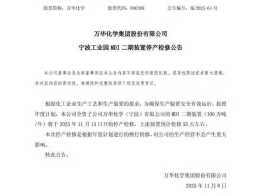
4.5 Million Tons! Wanhua Chemical Dominates Globally in MDI, Heavy Investment in Battery Materials Spurs New Storm
-

Trump Delays Tariff Increase on Furniture, Cabinets, and Vanities
-
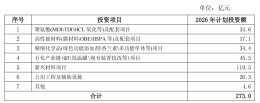
Wanhua Chemical Invests $27.3 Billion, 2026 Investment Map Revealed, $1.1 Billion Bet on Battery Materials
-

Back-to-back major joker moves! covestro’s 1.32 million ton mdi dual-line expansion and hdi acquisition reshape global polyurethane landscape


