



Official Launch! United States Solicits Opinions on Tariff Reduction List for Chinese Goods, Industrial and Consumer Goods to Be Prioritized for Tariff Cuts
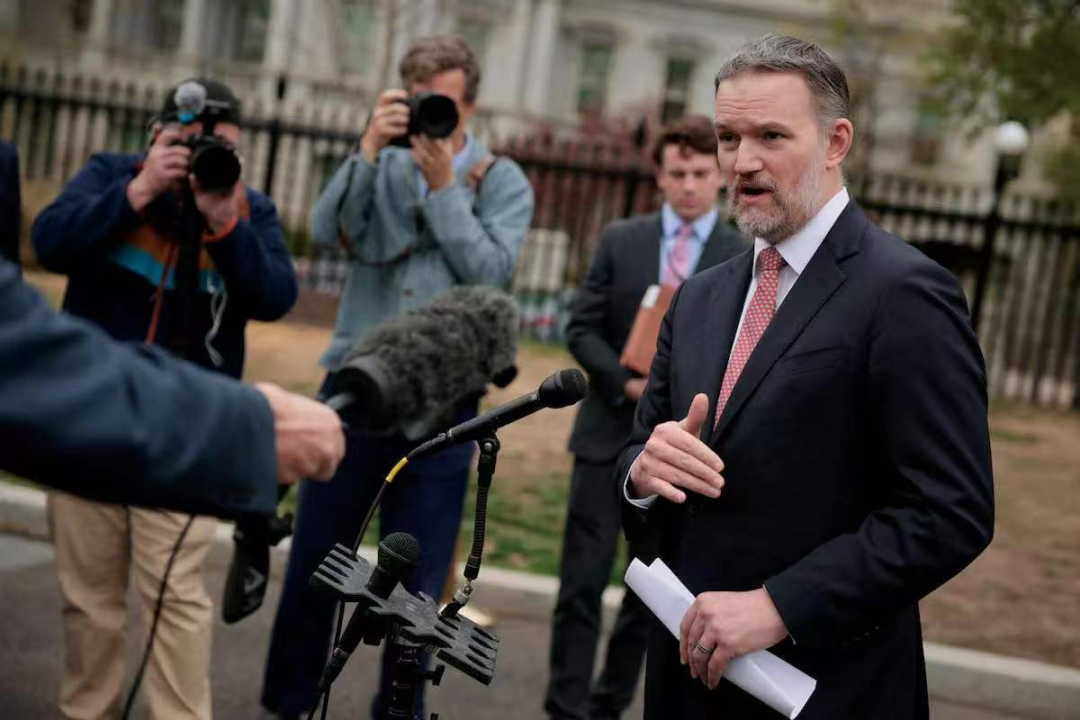
On June 2, 2026, the Office of the United States Trade Representative (USTR) published a Notice of Request for Comments in the Federal Register, primarily to invite public input on plans for a “U.S.-China Trade Commission,” and to solicit views on reducing tariffs on specific categories of non-sensitive products that could benefit from reciprocal tariff reductions by both sides, thereby promoting a balanced and mutually beneficial bilateral trade relationship.
The U.S. plans to restore the “most-favored-nation” tariff rate on some Chinese products, meaning no additional tariffs will be imposed.
U.S. Trade Representative Greer stated that the Trump administration will work with all stakeholders to define tariff reductions on non-sensitive goods that can deliver tangible results for American farmers, ranchers, fishermen, small businesses, manufacturers, and workers.
This means that the list of goods subject to the tariff reductions will focus on agricultural products, low-end consumer goods (such as household items, toys, clothing and footwear, and decorative items), low-end industrial products (non-sensitive components in certain industrial equipment, such as medical equipment or parts), fireworks, and certain energy products.
According to Greer’s previous interview, the goal of the U.S.-China Trade Committee is to facilitate tariff reductions on at least $30 billion (about 203 billion yuan) worth of “non-sensitive goods” between the two countries, which represents a very substantial trade volume.
Main contents of this solicitation of opinions (14 questions in total)
Part One: Identification of Non-Sensitive Products (Questions 1-11)
1. Which Chinese products should be considered “non-sensitive” (not involving economic/national security or supply chain risks)?
2. Which Chinese products currently subject to additional tariffs should be reduced to MFN tariff rates? Please provide the average annual import values for 2022–2024.
3. Which U.S. consumers will benefit from the tariff adjustments?
4. Which American consumers will be harmed?
5. Which American workers or producers will benefit?
6. Which American workers or producers will be harmed?
7. Is there tariff inversion (where the tariff rate on finished goods is lower than that on intermediate goods)?
What is China's market share in imports for each product?
9. Which U.S. export products are currently subject to increased tariffs by China and should be restored to China's MFN tariff rate? Please provide the average export value for the years 2022-2024.
10. Are the above-mentioned products agricultural products, industrial products (with a significant decline in exports), or products affected by multiple tariffs/high tariffs?
11. Which products can the United States still export, or which products does China still rely on U.S. supply for, even if China imposes additional tariffs?
Part II: Operational Mechanisms of the U.S.-China Trade Committee (Questions 12–14)
What should be the frequency of meetings to effectively monitor trade flow (amount and time)?
13. How should the list of non-sensitive products be evaluated and adjusted in a timely manner?
What kind of data sharing mechanism should be established to ensure the efficient operation of the committee?
The deadline for submitting comments is July 10, 2026, and the rebuttal or response to comments is due by July 27, 2026.
🚨 This round of tariff reductions focuses on non-sensitive products, mainly covering certain consumer electronics, household goods, apparel and footwear, non-sensitive components used in industrial and medical equipment, energy products, and more. These products have primarily been subject to Section 301 tariffs, and this round of reductions will prioritize lowering those Section 301 tariffs.
At present, the additional tariffs imposed by the United States on China are mainly Section 301 tariffs, covering nearly half of Chinese goods exported to the U.S., primarily non-sensitive products. The tariff rates range from 7.5% to 100%, with the vast majority of products subject to rates between 7.5% and 25%, and a few products reaching 100%.
Section 301 tariffs are the tariffs imposed during President Trump’s first term. In 2018, Trump used this provision to levy additional tariffs of 7.5% to 25% on more than $200 billion worth of Chinese goods. In 2024, Biden used the same provision to impose tariffs on Chinese electric vehicles, batteries, semiconductors, and medical supplies, with tariff rates on some products reaching as high as 100%.
In addition, the United States has also imposed Section 122 and Section 232 tariffs, but these tariffs apply to all countries/regions globally, rather than specifically targeting China.
📌 Section 122 Tariff: In February of this year, after the reciprocal tariffs and fentanyl tariffs were ruled invalid by the court, Trump immediately turned to imposing tariffs under Section 122 at a rate of 10%, effective February 24, 2026, with a validity period of 150 days, through July 24, 2026. This tariff applies to all countries/regions worldwide, including China. However, a large number of goods are exempt from this tariff, including products already subject to Section 232 tariffs, electronic products, critical minerals, certain agricultural products, pharmaceuticals, and others.
📌 Section 232 Tariffs: Tax rates range from 25% to 50%, covering products including steel/aluminum/copper and their derivatives, automobiles, and auto parts. Applicable to all countries worldwide. The United States made two adjustments on April 6 and June 1, reducing tariffs on some products.
【Copyright and Disclaimer】The above information is collected and organized by PlastMatch. The copyright belongs to the original author. This article is reprinted for the purpose of providing more information, and it does not imply that PlastMatch endorses the views expressed in the article or guarantees its accuracy. If there are any errors in the source attribution or if your legitimate rights have been infringed, please contact us, and we will promptly correct or remove the content. If other media, websites, or individuals use the aforementioned content, they must clearly indicate the original source and origin of the work and assume legal responsibility on their own.
Most Popular
-
Layoffs, Divestments, Plant Closures While Pouring Billions: BASF Undergoes Major Transformation!
-
Ascend Adipic Acid Hit By Force Majeure, Market Expects Supply Resumption In Mid-September
-

Raw Material Supply Shortage! INEOS Phenol Declares Force Majeure on Phenol and Acetone Businesses
-
South Korea initiates anti-dumping investigation against Chinese PVC suspension resin! The target is Tianjin Bohua and Wanhua Chemical. How to break through?
-

Sixth national procurement set to be implemented: A “Reshuffling” Moment for the $10-Billion Medical Device Market


