Mitsubishi gas chemical develops pec resin combining marine biodegradability and hydrolysis resistance
On June 10, Mitsubishi Gas Chemical Company, Inc. announced that its long-developed biodegradable aliphatic polyester carbonate resin (hereinafter referred to as “PEC resin”) was added in May 2026 to the positive list of the “Marine Biodegradable Plastic Identification Labeling System” operated by the Japan BioPlastics Association (JBPA).
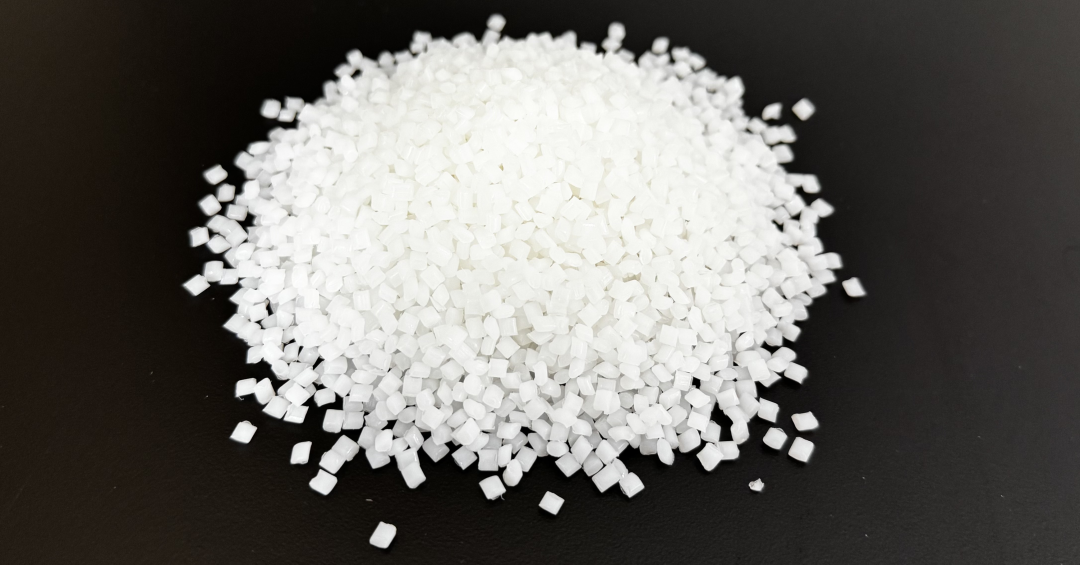
Biodegradable PEC resin
JBPA’s “Marine Biodegradable Plastic Identification Labeling System” is a certification system that evaluates the biodegradability and safety of plastic products in the marine environment. Products that comply with JBPA standards are permitted to use the name and label “Marine Biodegradable Plastic.” The system adopts a whitelist approach, under which approved plastics, additives, intermediate products, and other materials are registered.
PEC resin chemical structure

A key feature of this PEC resin is that, while being biodegradable, it is not prone to deterioration due to hydrolysis. Under appropriate storage conditions, it is expected to maintain its molecular weight and strength over the long term not only in pellet form but also in processed forms such as films, thereby helping to ensure quality stability during storage and distribution throughout the supply chain and offering advantages in handling during molding and processing.
In addition, this PEC resin combines marine biodegradability with hydrolysis resistance, and is expected to maintain stable quality in various applications involving contact with water. It also shows promise for use in products related to marine and riverine water environments.
Mitsubishi Gas Chemical will take this inclusion in the approved permit list as an opportunity to advance discussions on production systems related to the commercialization of this PEC resin and to conduct market demand research, thereby contributing to the realization of a sustainable society.
【Copyright and Disclaimer】The above information is collected and organized by PlastMatch. The copyright belongs to the original author. This article is reprinted for the purpose of providing more information, and it does not imply that PlastMatch endorses the views expressed in the article or guarantees its accuracy. If there are any errors in the source attribution or if your legitimate rights have been infringed, please contact us, and we will promptly correct or remove the content. If other media, websites, or individuals use the aforementioned content, they must clearly indicate the original source and origin of the work and assume legal responsibility on their own.
Most Popular
-
Ascend Adipic Acid Hit By Force Majeure, Market Expects Supply Resumption In Mid-September
-

Layoffs, Divestments, Plant Closures While Pouring Billions: BASF Undergoes Major Transformation!
-
LG Chem And TK Chemical Sign PBAT Cooperation MOU
-

[Overseas News] Dow Considering Exit From Joint Venture With Saudi Aramco; US Government Pressures Ford to Cut Ties With China
-
AI Computing Power Demand Ignites Electronic Fabrics! China Jushi Hits Limit Up! Domestic Substitution Welcomes Golden Window