



Mexican and Canadian Auto and Parts Tariff to the U.S. Exceeds $10 Billion This Year
According to foreign media reports, the Anderson Economic Group released an analysis report on October 16, showing that in the first ten months of this year, automakers paid a total of $10.6 billion in tariffs for cars and parts shipped from Canada and Mexico to the United States.
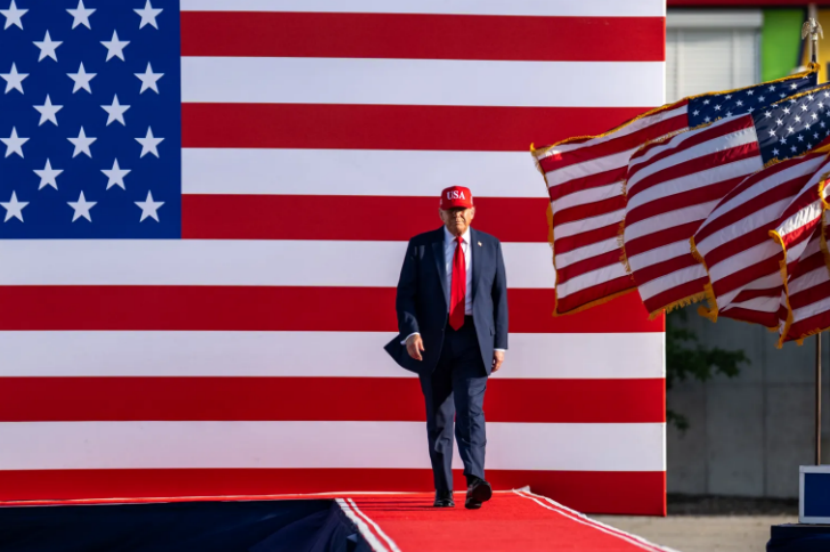
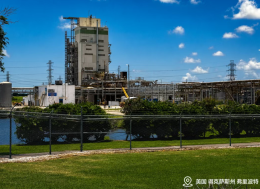
Image source: The White House
The above analysis report includes official data from the U.S. Census Bureau as of July this year, as well as estimates of tariff costs from August to October, clearly reflecting the huge expenses that automotive tariffs impose on the industry. Currently, most companies choose to bear this cost themselves rather than pass it on to new car consumers; however, analysts expect that as tariff costs continue to accumulate and corporate profits continue to shrink, car prices will eventually rise.
Patrick Anderson, CEO of Anderson Economic Group, stated in a statement: "The $10 billion cost cannot be borne solely by automakers and auto parts suppliers; consumers and workers will also bear part of the cost."
It is worth noting that the total amount of tariffs actually paid by automakers may be higher than the estimates provided by the Anderson Economic Group. There are two specific reasons for this: first, the estimated data only covers tariffs related to automobiles and parts imported by the U.S. from Canada and Mexico, and does not include tariffs incurred from similar products imported from other countries; second, the data does not account for the 50% high tariffs imposed by the U.S. on steel and aluminum, as well as various derivative products (including some automobile parts and manufacturing equipment) made from these metals.
According to the latest data from the U.S. Census Bureau, from January to July this year, the United States imposed tariffs totaling $6.45 billion on automobiles and auto parts from Canada and Mexico. Anderson Economic Group estimates that from August to October this year, companies will pay approximately $1.4 billion in tariffs each month for these products.
In April of this year, the Trump administration began imposing a 25% tariff on imported cars and parts. Since then, the tariff revenue collected from car imports from Canada and Mexico has accounted for the majority of the annual tariff revenue from car imports in the United States.
However, automobiles and parts that meet the preferential treatment rules of the United States-Mexico-Canada Agreement (USMCA) can benefit from an exception policy: automobiles that meet USMCA requirements only need to pay a 25% tariff on the value portion of their non-U.S. components; parts that comply with the agreement's rules can enter the U.S. market duty-free.
Currently, the United States imposes different tariff rates on imported cars from various countries: the European Union and Japan, due to trade framework agreements with the United States, have a tariff rate of 15% on cars exported to the U.S.; a similar agreement between the U.S. and South Korea has not yet taken effect; the United Kingdom enjoys a special quota, with the first 100,000 cars exported to the U.S. each year subject to only a 10% tariff; for all other countries not mentioned above, the tariff on cars exported to the U.S. is 25%.
【Copyright and Disclaimer】The above information is collected and organized by PlastMatch. The copyright belongs to the original author. This article is reprinted for the purpose of providing more information, and it does not imply that PlastMatch endorses the views expressed in the article or guarantees its accuracy. If there are any errors in the source attribution or if your legitimate rights have been infringed, please contact us, and we will promptly correct or remove the content. If other media, websites, or individuals use the aforementioned content, they must clearly indicate the original source and origin of the work and assume legal responsibility on their own.
Most Popular
-

Mexico Imposes Tariff Up to 36% on Cross-Border E-Commerce Products, Effective January 1, 2026; Plastic Shows Partial Fluctuation Today
-
4.5 Million Tons! Wanhua Chemical Dominates Globally in MDI, Heavy Investment in Battery Materials Spurs New Storm
-
Trump Delays Tariff Increase on Furniture, Cabinets, and Vanities
-
Wanhua Chemical Invests $27.3 Billion, 2026 Investment Map Revealed, $1.1 Billion Bet on Battery Materials
-
Back-to-back major joker moves! covestro’s 1.32 million ton mdi dual-line expansion and hdi acquisition reshape global polyurethane landscape


