



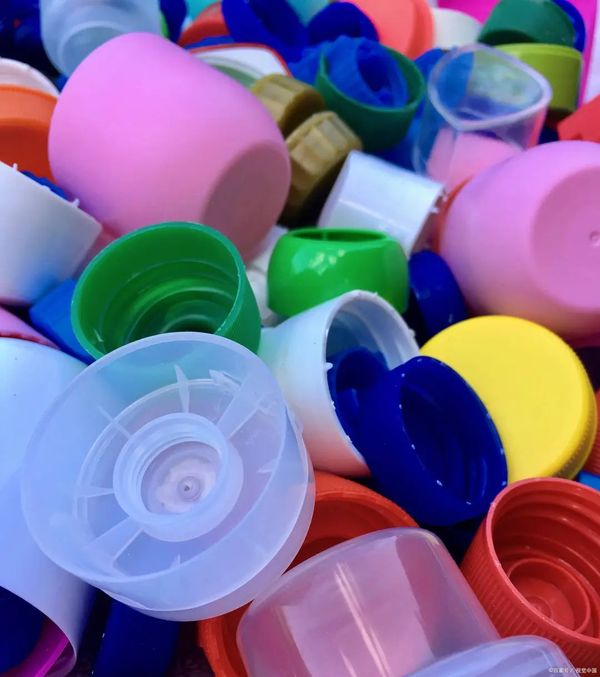
In 2024, China's plastic products production is steadily increasing, and structural optimization is aiding the green transition.
The latest data from the National Bureau of Statistics shows that in 2024, China's plastic products industry continues to develop steadily, with a total annual output of 82.3 million tons, a year-on-year increase of 3.5%, which is an increase of 0.8 percentage points compared to 2023. Under the guidance of the "dual carbon" goals, the industry is accelerating its transition towards high-end and green development, with a significant increase in the proportion of biodegradable materials, recycled plastics, and high-value-added products, highlighting the characteristics of high-quality development.
Market demand drives growth, and the industrial structure continues to optimize.
In 2024, China's plastic products industry is expected to grow driven by the rebound in demand from downstream sectors such as packaging, automotive, and electronics. The output of high-end products such as food-grade packaging materials, lightweight components for new energy vehicles, and medical consumables increased by 8.2%, 12.6%, and 9.3% year-on-year, respectively. Notably, the output of biodegradable plastic products exceeded 4 million tons, accounting for 4.9% of the total plastic product output, with a year-on-year growth of 20%. The replacement of traditional plastics has shown significant results in areas such as express delivery and catering.
A relevant person from the National Development and Reform Commission pointed out that with the deepening of the "Action Plan for Plastic Pollution Control (2023-2025)," the production of disposable plastic products to be eliminated will decrease by 15% year-on-year in 2024. Ultra-thin plastic bags and daily chemical products containing plastic microbeads have basically exited the market. The industry's research and development investment intensity has reached 2.1%, driving breakthroughs in key technologies such as modified recycled plastics and chemical recycling processes, with the application proportion of recycled materials in packaging, building materials, and other fields increasing to 18%.
Regional coordinated development, the share of capacity in the central and western regions has exceeded 40% for the first time.
The regional layout presents a new pattern. In 2024, the output share of plastic products in the central and western regions will reach 41.2%, breaking the 40% mark for the first time. Provinces such as Henan, Sichuan, and Hubei are relying on the construction of circular economy industrial parks to attract the transfer of industrial chains from the Yangtze River Delta and the Pearl River Delta, with annual output growth rates of 6.3%, 5.8%, and 5.5% respectively, all exceeding the national average. The eastern region, on the other hand, focuses on high-end manufacturing, with Zhejiang, Guangdong, and other areas establishing 20 national-level green factories, and the coverage rate of intelligent production lines exceeding 60%, promoting a year-on-year reduction in industry energy consumption intensity by 4.2%.
Policies safeguard high-quality development, and the industry is moving towards a new stage of green growth.
In 2024, the Ministry of Industry and Information Technology and ten other departments jointly issued the "Action Plan for the Green Upgrade of the Plastic Processing Industry," proposing to establish a carbon footprint management system covering the entire lifecycle by 2026 and cultivate 30 zero-carbon demonstration enterprises. Many regions are supporting technological upgrades for companies through fiscal subsidies and tax incentives, with the annual investment in environmental protection equipment in the plastic industry increasing by 25% year-on-year. Wang Zhanjie, Secretary-General of the China Plastics Processing Industry Association, stated: "The industry is shifting from 'quantitative expansion' to 'qualitative improvement,' with the application of green low-carbon technologies and circular economy models becoming the core of future competition."
Experts analyze that as the "14th Five-Year Plan" for plastic pollution control deepens, by 2025, the industry will focus on breaking through technical bottlenecks in marine biodegradable materials and high-value utilization of recycled plastics. It is expected that the annual production growth rate will remain at 3%-4%, and the proportion of green products is likely to exceed 30%. Against the backdrop of increasing global green trade barriers, China's plastic product export structure continues to optimize, with the international competitiveness of high value-added products further enhanced, contributing a Chinese solution to global sustainable development.
【Copyright and Disclaimer】The above information is collected and organized by PlastMatch. The copyright belongs to the original author. This article is reprinted for the purpose of providing more information, and it does not imply that PlastMatch endorses the views expressed in the article or guarantees its accuracy. If there are any errors in the source attribution or if your legitimate rights have been infringed, please contact us, and we will promptly correct or remove the content. If other media, websites, or individuals use the aforementioned content, they must clearly indicate the original source and origin of the work and assume legal responsibility on their own.
Most Popular
-

Mexico Imposes Tariff Up to 36% on Cross-Border E-Commerce Products, Effective January 1, 2026; Plastic Shows Partial Fluctuation Today
-
4.5 Million Tons! Wanhua Chemical Dominates Globally in MDI, Heavy Investment in Battery Materials Spurs New Storm
-

Trump Delays Tariff Increase on Furniture, Cabinets, and Vanities
-
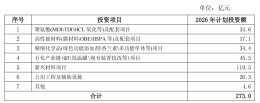
Wanhua Chemical Invests $27.3 Billion, 2026 Investment Map Revealed, $1.1 Billion Bet on Battery Materials
-
Back-to-back major joker moves! covestro’s 1.32 million ton mdi dual-line expansion and hdi acquisition reshape global polyurethane landscape


