How Technology Enhances the Performance of Plastics
In recent decades, due to continuous technological advancements, plastics have undergone significant transformations. These innovations have not only improved the traditional performance of plastics but also paved the way for new applications and environmental considerations. In this comprehensive discussion, we will delve into how technology has enhanced the performance of plastics and shaped their role in various industries.
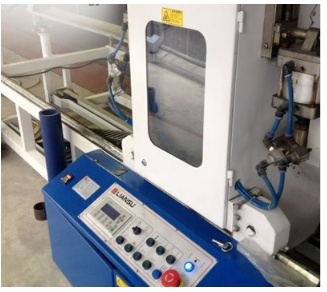
Advanced Polymer Science
The core of advancements in plastic technology lies in the field of polymer science. Engineers and scientists continuously develop new polymers and improve existing ones to achieve desired performance. For example, the development of high-density polyethylene (HDPE) and polypropylene (PP) has revolutionized packaging materials due to their excellent strength-to-weight ratio, chemical resistance, and moisture resistance.
Nanotechnology and Nanocomposites
Nanotechnology opens up limitless possibilities for enhancing the performance of plastics. Nanocomposites, which combine nanoparticles such as carbon nanotubes or clay, exhibit exceptional mechanical strength, thermal stability, and barrier properties. These materials can be used in automotive parts, electronic devices, and even food packaging, where durability and safety are crucial.
3. Additive Manufacturing (3D Printing)
Additive manufacturing, commonly known as 3D printing, has revolutionized the production of plastic parts. This technology allows for complex designs and customization, resulting in lighter yet powerful components. The aerospace and medical industries have greatly benefited from 3D printed plastics, which feature intricate geometries and reduce material waste.
4. Bio-based and biodegradable plastics
Concerns about plastic pollution and sustainability have spurred the development of bio-based and biodegradable plastics. Bio-based polymers are derived from renewable resources such as corn starch or sugarcane, providing a more environmentally friendly alternative to traditional fossil fuel plastics. Biodegradable plastics are designed to decompose naturally over time, reducing their environmental impact, and are used for single-use items such as food packaging and disposable utensils.
5. Recyclability and Circular Economy
Technological advancements are also focused on improving the recyclability of plastics and promoting a circular economy. Innovations in sorting and recycling technologies enable the recovery of valuable plastics from waste streams. Additionally, chemical recycling processes can break down plastics into their molecular components, allowing for the production of virgin-quality plastics from recycled materials.
6. Functional additives and coatings
Plastic can now be enhanced through functional additives and coatings to improve its performance in specific applications. For example, antibacterial additives are incorporated into plastics used in medical institutions to inhibit bacterial growth. UV stabilizers protect outdoor plastics from degradation due to sunlight exposure, thereby extending their lifespan.
7. Smart plastics and IoT integration
The integration of sensor and IoT (Internet of Things) technology with plastics has led to the development of smart materials. Smart plastics can detect and respond to external stimuli such as temperature, humidity, or mechanical stress. They are used in structural health monitoring, wearable devices, and smart packaging, indicating product freshness or tampering.
8. Lightweight high-performance plastics
Advancements in plastic formulations have led to lightweight yet high-performance materials. Carbon Fiber Reinforced Plastics (CFRP) and Glass Fiber Reinforced Plastics (GFRP) offer exceptional strength-to-weight ratios, making them ideal for applications in aerospace, automotive, and sporting goods. These lightweight plastics contribute to improved fuel efficiency and reduced emissions in transportation.
9. Thermal and Electrical Properties
Plastics can now be designed to exhibit specific thermal and electrical properties. Thermally conductive plastics are used for heat sinks in electronic devices, while electrically conductive plastics are applied in EMI shielding and electrical connectors. These tailor-made characteristics expand the versatility of plastics across various industries.
Technology continues to push the boundaries of what plastics can achieve. From advanced polymer science to nanotechnology, additive manufacturing, sustainable solutions, functional additives, and smart integration, the performance of plastics has undergone significant changes. These innovations not only enhance performance and durability but also address environmental issues, paving the way for a more sustainable future in plastic usage.
【Copyright and Disclaimer】The above information is collected and organized by PlastMatch. The copyright belongs to the original author. This article is reprinted for the purpose of providing more information, and it does not imply that PlastMatch endorses the views expressed in the article or guarantees its accuracy. If there are any errors in the source attribution or if your legitimate rights have been infringed, please contact us, and we will promptly correct or remove the content. If other media, websites, or individuals use the aforementioned content, they must clearly indicate the original source and origin of the work and assume legal responsibility on their own.
Most Popular
-

Mexico Imposes Tariff Up to 36% on Cross-Border E-Commerce Products, Effective January 1, 2026; Plastic Shows Partial Fluctuation Today
-
4.5 Million Tons! Wanhua Chemical Dominates Globally in MDI, Heavy Investment in Battery Materials Spurs New Storm
-

Trump Delays Tariff Increase on Furniture, Cabinets, and Vanities
-
Wanhua Chemical Invests $27.3 Billion, 2026 Investment Map Revealed, $1.1 Billion Bet on Battery Materials
-
Back-to-back major joker moves! covestro’s 1.32 million ton mdi dual-line expansion and hdi acquisition reshape global polyurethane landscape