Global Plastics Treaty calls intensify as microplastics linked to health impacts
At the opening of the resumed fifth session of the United Nations Environment Assembly (INC-5.2) on August 5, the World Wide Fund for Nature (WWF) and the University of Birmingham jointly released a report highlighting the multiple impacts of microplastics and nanoplastics (MnPs) on the environment and human health—from disrupting food production to triggering cancer and causing infertility—further underscoring the significance of the conference.
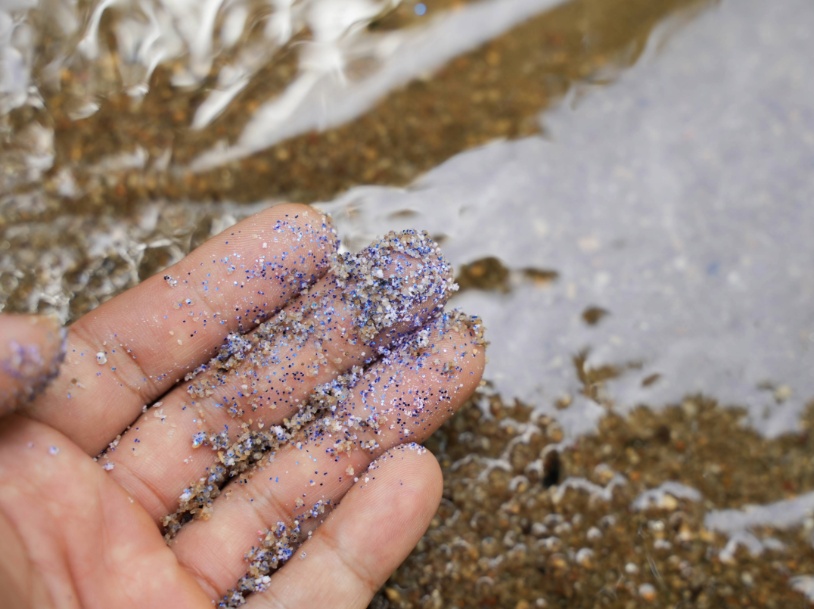
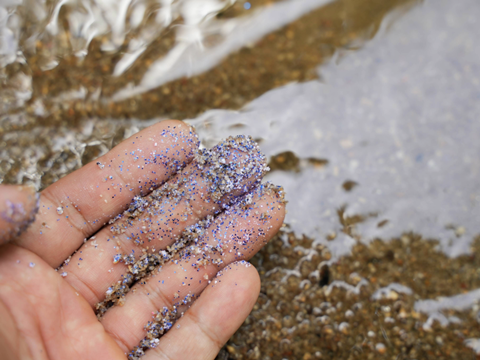
With INC-5.2 kicking off tomorrow, WWF and the University of Birmingham underline its importance by linking micro- and nanoplastics (MnPs) to various environmental and human health impacts, ranging from disrupted food production to cancer and infertility.
Microplastics (typically defined as plastic fragments smaller than 5 millimetres in size) and nanoplastics (fragments smaller than 1 micrometre, or 1/1000th of a millimetre) leach into the environment from plastic products such as packaging. Most are said to be secondary particles, formed as larger pieces of plastic degrade over time.
According to WWF and the University of Birmingham’s report, MnPs can affect the ecosystem and food production by impacting the health and behaviour of organisms in the soil. Microplastics from polyethylene (PE) are thought to influence the immune system of earthworms, while those from polyethylene terephthalate (PET) are linked to oxidative damage in roundworms.
Polyvinyl chloride microplastics are also said to restrict the movement of springtails, which help break down organic matter in soil.
MnPs can also cause inflammatory or dysregulated immune responses, disrupt cellular function, and damage tissues through their presence alone, the report says. Nanoplastics are small enough to enter human tissues and organs, and have so far been identified in the lungs, brain, intestine, and placenta, alongside blood, breast milk, and stool.
Inhaling MnPs can apparently trigger existing conditions such as asthma or chronic obstructive pulmonary disease (COPD), but studies have also suggested that they can build up in the arteries and increase the risk of heart attack, stroke, atherosclerosis, and other cardiovascular diseases. Nanoplastics like polystyrene have been connected to inflammation and cell death in both humans and mice.
Plastic additives can reportedly cause further environmental damage, including per- and polyfluoroalkyl substances (PFAS), often found in grease- and water-resistant packaging; UV stabilizers and alkylphenols, sometimes infused into packaging to prevent damage from sunlight; and bisphenols from food and drink packaging and reusable water bottles.
The European Commission recently banned the use of Bisphenol A in food-contact materials, with the European Food Safety Authority citing ‘potentially harmful effects on the immune system’.
Yet other additives persist, including phthalates – chemical additives used to achieve properties like flexibility, which the report ties to the disruption of human hormones. Among the potential risks are breast and testicular cancer.
Metals, metalloids, and metal compounds such as lead, cadmium, and antimony are used for colour and heat resistance but are thought to contribute to water and soil pollution. Flame retardants have also been found in polar bears, chimpanzees, and red pandas, the report indicates.
Chemical substances like these are believed to reduce fertility, cause reproductive disorders, contribute to metabolic conditions like diabetes and obesity, and have even been tied to neurological conditions like ADHD, autism, and dementia.
While the report concedes that the presence of chemicals in the human body cannot always be blamed solely on plastics, it still considers them ‘a likely and preventable source of exposure’.
“Global and national regulations have yet to catch up with the rapidly emerging scientific evidence,” the report asserts. “While research continues to evolve, several studies already show consistent and concerning links between many plastic additives and serious health effects.
“This growing body of evidence must serve as a foundation for strong, science-based legislation to minimize exposure to MnPs and the toxic chemicals currently found in many plastics.
“Adopting the precautionary principle – taking action where credible risks are identified, even in the absence of absolute scientific certainty – is essential to avoid long-term harm.”
Now WWF and the University of Birmingham call for a Global Plastics Treaty that enforces global bans and phase-outs for avoidable plastic products and ‘chemicals of concern’ and harmonizes requirements for ‘safe and circular’ plastic product design.
The text should implement measures to align financial flows and mobilize resources, facilitating an ‘equitable and just’ transition, while mechanisms should be introduced to strengthen and adapt the treaty’s measures over time.
The next round of treaty negotiations will take place at the sixth session of the Intergovernmental Negotiating Committee at the Palais des Nations in Geneva from 5th – 14th August 2025. WWF previously walked us through the treaty’s current status and an ideal vision of its future.
The NGO has high hopes for the treaty’s development after the International Court of Justice ruled that any country failing to address greenhouse gas emissions and fossil fuels could be required to pay reparations to the nations affected. Non-compliance with the Kyoto Protocol and Paris Agreement’s emission reduction commitments ‘may constitute an intentionally wrongful act’, according to the Court’s advisory opinion.
【Copyright and Disclaimer】The above information is collected and organized by PlastMatch. The copyright belongs to the original author. This article is reprinted for the purpose of providing more information, and it does not imply that PlastMatch endorses the views expressed in the article or guarantees its accuracy. If there are any errors in the source attribution or if your legitimate rights have been infringed, please contact us, and we will promptly correct or remove the content. If other media, websites, or individuals use the aforementioned content, they must clearly indicate the original source and origin of the work and assume legal responsibility on their own.
Most Popular
-

Mexico Imposes Tariff Up to 36% on Cross-Border E-Commerce Products, Effective January 1, 2026; Plastic Shows Partial Fluctuation Today
-
4.5 Million Tons! Wanhua Chemical Dominates Globally in MDI, Heavy Investment in Battery Materials Spurs New Storm
-
Trump Delays Tariff Increase on Furniture, Cabinets, and Vanities
-
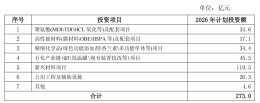
Wanhua Chemical Invests $27.3 Billion, 2026 Investment Map Revealed, $1.1 Billion Bet on Battery Materials
-
Back-to-back major joker moves! covestro’s 1.32 million ton mdi dual-line expansion and hdi acquisition reshape global polyurethane landscape