



US-Canada Trade Conflict Escalates! Canada Imposes 15% Tariff On US Molds, 50% Tariff On Plastic Products In Retaliation
The Canadian federal government recently announced that retaliatory tariffs on U.S. molds and plastic products will officially take effect on September 8, 2026, leading to increased costs for key production equipment and plastic products for Canadian manufacturers.
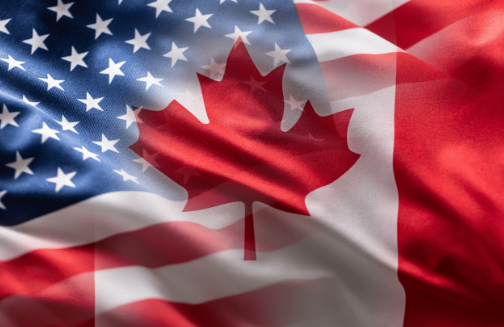
Canadian Prime Minister Mark Carney announced this week that Canada will impose reciprocal retaliatory tariffs on approximately $20 billion worth of U.S. goods, with rates ranging from 15% to 50%. This move follows the breakdown of U.S.-Canada trade negotiations and President Trump’s imposition of a 50% tariff on Canadian goods last weekend, prompting Canada’s immediate countermeasures.
The Canadian Department of Finance stated that, despite Canada’s good-faith efforts in intensive negotiations to secure a fair and comprehensive trade agreement, the terms proposed by the United States would ultimately undermine Canada’s interests. The Department noted that the U.S. position demanded excessive concessions from Canada without offering reciprocal benefits.
In a statement this week, the Canadian government said, “Canada does not wish for this trade conflict to erupt, but we must respond to create a level playing field for our domestic businesses.”
Canada has implemented measures that include imposing a 15% tariff on plastic, metal, and rubber molds, and a 50% tariff on a wide range of plastic products such as plastic bags, packaging, tableware, kitchenware, and vinyl wall coverings. These tariffs mark a significant escalation in the Canada-U.S. trade dispute and will directly impact manufacturing operations across Canada.
Tariffs on Molds Impact Manufacturing Competitiveness
The 15% tariff on molds strikes at the core capabilities of Canada’s manufacturing sector. As essential equipment for producing consumer goods and industrial components, molds are indispensable; the new tariffs will raise production costs for companies reliant on U.S.-made tooling and molds.
The Canadian Department of Finance stated that Canadian companies originally planning to expand factories and upgrade production lines are now facing unexpected cost increases, which could lead to project delays and undermine their competitiveness. These tariffs also apply to metals and rubber molds, with impacts extending beyond the plastics industry to affect multiple manufacturing sectors.
Plastic products are subject to a 50% tariff.
Finished plastic products will face a hefty 50% tariff, affecting various goods widely used by Canadian businesses and consumers in their daily lives, including:
- Various types of plastic shopping bags
- Packaging materials and packaging containers
- Tableware items such as plates, cups, and spoons
- Kitchenware and Food Storage Containers
- Vinyl plastic wall and ceiling decoration materials
The Canadian government stated that the aforementioned goods are widely used in the retail, food service, packaging, and construction sectors, and that the impact of tariffs will permeate the entire Canadian economy.
Part of a package of retaliatory measures
The recent tariffs on plastics and molds are part of Canada’s comprehensive countermeasures, directly targeting the industries hardest hit by the Trump administration’s tariffs, and marking a more intense new phase in the trade war between the two countries.
As early as March 2025, Canada imposed a 25% tariff on U.S. steel and aluminum products in response to the earlier U.S. tariffs on Canadian metal products. In June, Trump raised the steel tariff to 50%, and this Monday he threatened to impose a 50% tariff on Canadian steel, aluminum, and automotive products effective January 1, 2027.
In addition to plastics and molds, the tariffs effective on September 8 also cover U.S. goods across multiple industries: dairy products at 25%–50%; steel and aluminum products increased from 25% to 50%; seafood imports at 25%; wood pulp and paper products at 25%–50%; consumer goods such as smartphones, home appliances, and apparel at 15%–50%; cosmetics at 50%; and vehicles and equipment including motorcycles, trailers, and railway locomotives at 25%–50%.
Manufacturing enterprises face difficult choices.
With less than two weeks remaining before the tariffs take effect, Canadian manufacturers must make swift decisions: either accelerate purchases of U.S. molds and plastic products before September 8, seek alternative suppliers in other countries, or prepare to absorb the additional costs or pass them on to downstream customers.
For companies whose capital equipment budgets for the current year have already been finalized, time is particularly tight. A 15% increase in mold costs has forced these enterprises to make trade-offs among delaying purchases, reducing order volumes, and cutting other expenses.
Industries reliant on plastic packaging and plastic products face significant cost shocks from a 50% tariff, which may be passed along the supply chain and potentially drive up prices for end-consumer goods.
There are no signs of the conflict being resolved.
Tariff measures are being continuously escalated, with no signs of dispute resolution in sight, as both countries keep expanding the scope and severity of trade restrictions. Trump has also threatened to further raise tariffs in 2027, implying that the trade war is likely to persist over the long term. Companies need to prepare for prolonged disruptions rather than treating this as a short-term adjustment.
The Canadian government stated that the current countermeasures are reciprocal and targeted, focusing on sectors most severely impacted by U.S. tariffs. However, the extremely broad scope of taxed goods, ranging from core production equipment such as molds to a wide array of consumer products, indicates that the trade dispute has far exceeded the initial steel and aluminum conflict.
As September 8 approaches, Canada’s plastics industry and other manufacturing firms are bracing for disruption, as the costs of molds and raw materials—essential to maintaining corporate competitiveness—have risen sharply.
【Copyright and Disclaimer】This article is the property of PlastMatch. For business cooperation, media interviews, article reprints, or suggestions, please call the PlastMatch customer service hotline at +86-18030158354 or via email at service@zhuansushijie.com. The information and data provided by PlastMatch are for reference only and do not constitute direct advice for client decision-making. Any decisions made by clients based on such information and data, and all resulting direct or indirect losses and legal consequences, shall be borne by the clients themselves and are unrelated to PlastMatch. Unauthorized reprinting is strictly prohibited.
Most Popular
-

Precision in Every Cycle: WINTEC e-win All-Electric Machines for High-Cavity Medical Injection Moulding
-
又一项“卡脖子”材料被攻克!仁信新材10万吨光学级PMMA剑指日韩垄断
-

Rhein River Water Level Hits Record Low! Covestro And BASF Announce Force Majeure For Some Products
-

A Look at the Material Suppliers Behind SpaceX
-

Faurecia Sells Interior Business For €1.82 Billion


