



Two Major Chemical Giants Fell Successively In May, And The Industry As A Whole Turned Cold
Two companies, one British and one American, declared bankruptcy, with a broken cash flow becoming a fatal blow.
Trinseo filed for Chapter 11 bankruptcy reorganization on May 13. The U.S. specialty materials company is a globally recognized supplier of polycarbonate, styrene-butadiene latex, and ABS resin, but its operations have remained under pressure in recent years. It reported a net loss of $546 million in 2025 and a further loss of $116 million in the first quarter of 2026, while its total debt reached as high as $2.8 billion. After the restructuring, the company is expected to reduce its debt by $2 billion, and existing lenders will receive 100% of the equity in the reorganized company. The company’s president said the move is intended to “strengthen the balance sheet and continue operating without interruption.” The interests of all general unsecured creditors will remain unaffected.
Plastic Energy entered administration on May 11. The UK-based chemical recycling company has developed its proprietary TAC™ pyrolysis technology, which converts waste plastic into synthetic oil, and operates two commercial recycling plants in Spain. However, it collapsed due to the prolonged downturn in Europe’s plastics recycling sector and a cash flow crunch. Administrators are now seeking potential buyers to take over the business. The operating entities of the two plants in Spain have not entered insolvency proceedings and continue to operate normally.
Japanese chemical giants collectively practice "decluttering" and massively exit traditional businesses.
Asahi Kasei announced on May 12 that it will shut down multiple production lines at its Mizushima plant, including styrene monomer, low-density polyethylene, and high-density polyethylene, while also halting a 200,000-ton-per-year acrylonitrile production line. The company clearly stated that this is an exit from “business areas with persistently sluggish profitability.” The company admitted that Japan’s ethylene crackers have remained below the break-even line for 44 consecutive months, with utilization currently only around 70%. The company has set a four-year transition period and expects to officially cease production in 2030.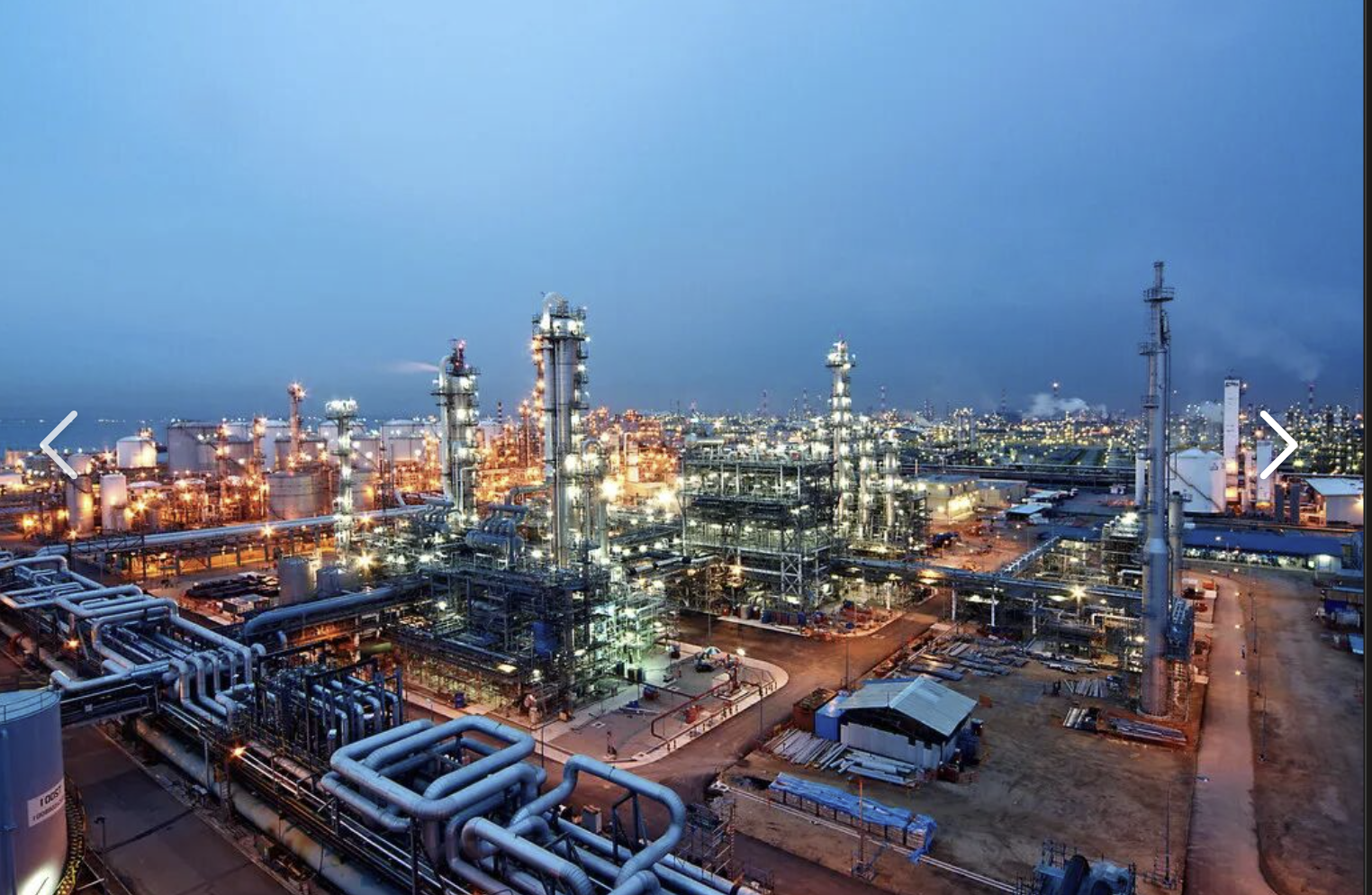
Mitsubishi Chemical also announced on the same day that it would completely withdraw from its PBS biodegradable plastics business in Thailand. The company’s mass-production plant, operated through a joint venture with Thailand’s PTT Global Chemical, had already ceased production in December 2025 due to weaker-than-expected market demand and persistently low long-term profitability. Once existing inventory is sold out, the company will end sales and dismantle the facilities. This is not the first such business divestment; the company has previously exited businesses including PET bottles, coke, and needle coke.
European and American companies are divesting businesses, shutting down production capacity, and optimizing their workforce to survive.
European Polyamide GiantOn May 6, DOMO Chemicals announced that it will sell its Engineering Materials (EM) business in its entirety to an affiliate of Lone Star Funds. The transaction covers the full scope of the Engineering Materials business, including three European production sites in Premnitz, Germany; Arco, Italy; and Gorzów, Poland; support functions in Belgium, Germany, Spain, Poland, and India; and international entities operating in Haiyan, China; Mumbai, India; Seoul, South Korea; and Buford, the United States. The transaction also includes the application center in Lyon, France; masterbatch industrial activities; and the intellectual property portfolio of the TECHNYL® brand, which has a history of more than 70 years.
On May 5, Celanese announced the closure of its nylon 66 plant in Singapore, while optimizing two production facilities in the United States. The company stated that this move aims to "enhance competitiveness and streamline production layout." The Singapore plant is expected to operate until the end of July 2026 to ensure a smooth shutdown.
Koppers, a global supplier of carbon compounds and commercial wood treatment products and services, plans to close its Illinois plant by the end of 2026, affecting about 120 employees. The plant primarily produces preservative chemicals for railroad and wood product treatment. The closure is due to the aging of the facility, rising operating costs, and increased investment required for environmental compliance, with production to be transferred to Georgia and Ohio. The company expects to incur restructuring charges of $30 million to $35 million in fiscal 2026.
On May 8, Wacker Chemie announced that it would cut around 1,600 jobs in Germany, accounting for nearly 10% of its total workforce in the country. Of these, 1,300 positions will be eliminated at its Burghausen headquarters, 200 at its Nünchritz site, and 60 in the Munich area. The layoffs are intended to save €300 million in costs annually.
UK waste management giant ViridorMay 12Announced a proposal to cease its European chemical recycling operations in Oslo, Norway; Skive, Denmark; and Malmö, Sweden. The company said that weak demand, regulatory uncertainty, and competition from low-cost virgin plastics have made advanced plastic recycling “not commercially investable without policy changes.”
Domestic chemical enterprises are contracting and restructuring.
Shan Shui Technology's wholly-owned subsidiary, Changxing Chemical, hassince May 1. The company primarily produces para-aminobenzenesulfonic acid, with an annual production capacity of 2,400 tons. Due to high raw material prices and weak downstream demand, it has been incurring continuous losses. The company stated that "continuing production will exacerbate losses." In 2025, the subsidiary's revenue accounted for 3.91% of the company's consolidated financial statements.
Shandong Huiyuan Chemical, established for less than two years, is already facing a change of ownership. On May 6, the company disclosed that its controlling shareholder plans to transfer a 51% equity stake. The company reported a full-year loss of 350,000 yuan in 2025 and remained unprofitable in the first quarter of 2026. After the transaction is completed, actual control of the company will change hands.
Hengli Petrochemical's Singapore subsidiary plans to cease operations in late May, affecting approximately 100 employees who will face layoffs or reassignment. The subsidiary specializes in the trading of oil and petrochemical derivatives, and the parent company was previously targeted by the U.S. for allegedly purchasing Iranian oil.”for being placed on the sanctions list.
Shengxi Ao and Plastic Energy have successively collapsed, and Japanese companies are withdrawing on a large scale. Companies such as DOMO, Celanese, Koppers, and Wacker Chemie are all making cutbacks, and domestic companies have not been spared either. This winter in the global chemical industry may continue to impact the direction of the industry's landscape.
【Copyright and Disclaimer】The above information is collected and organized by PlastMatch. The copyright belongs to the original author. This article is reprinted for the purpose of providing more information, and it does not imply that PlastMatch endorses the views expressed in the article or guarantees its accuracy. If there are any errors in the source attribution or if your legitimate rights have been infringed, please contact us, and we will promptly correct or remove the content. If other media, websites, or individuals use the aforementioned content, they must clearly indicate the original source and origin of the work and assume legal responsibility on their own.
Most Popular
-

A Look at the Material Suppliers Behind SpaceX
-
Daily Review: Cost and Supply Support Push Polyester Bottle Film Market Higher
-
$80 Million Hammered Down! TMD Business Acquired By TNJ Ohio After Judicial Ruling
-

【Overseas News】Trump visits china, us auto industry issues collective appeal; china-us economic and trade talks held in south korea; celanese announces price increase
-
[PVC Weekly Review] Policy Support Weakens, Market Continues Downward Trend


