Shoe industry giant warns tariffs and conflicts will drive costs up in second half
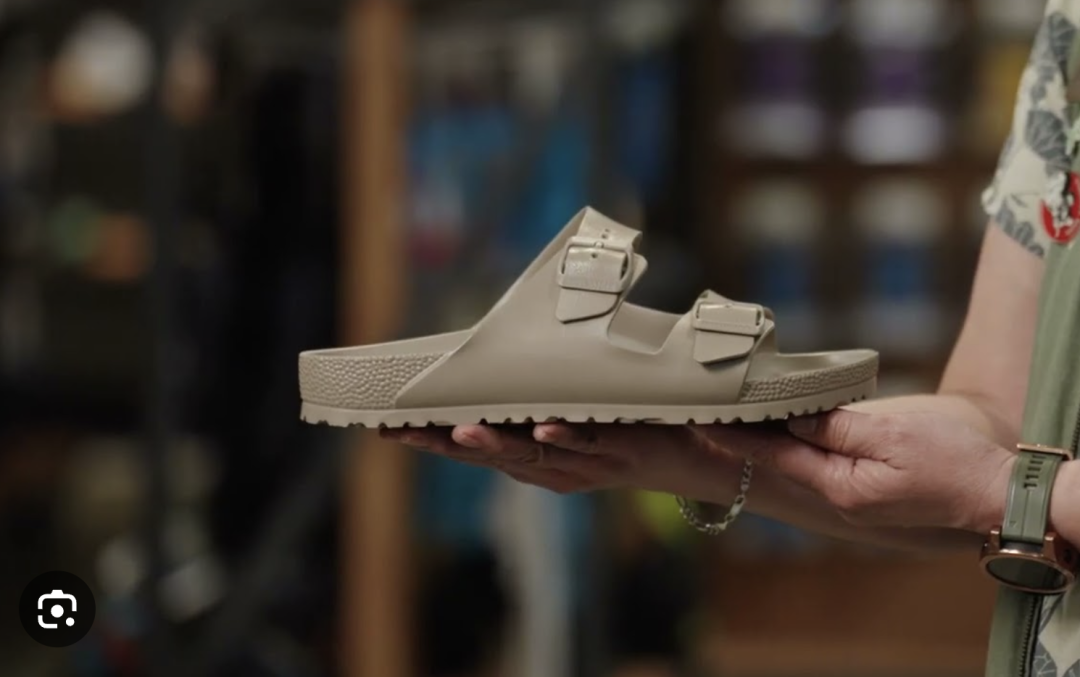
On May 13, shares of German footwear giant Birkenstock plunged 13% after the company warned that cost pressures would continue to rise in the second half of the year due to U.S. tariffs and the conflict in the Middle East.
Tariffs and Conflict
This will lead to continuously rising costs in the second half of the year.
Chief Executive Officer Oliver Reichert said that inflation triggered by the conflict is curbing consumer spending.
This reflects the broader challenges faced by the apparel and athletic wear industry, as companies like Nike and Under Armour are also dealing with rising costs and a more cautious consumer spending environment.
"We are facing multiple conflicts in the Middle East, disrupting global supply chains and driving up energy costs," said Reicht.
The company’s second-quarter results also fell short of expectations, as its Europe, Middle East and Africa (EMEA) business unit suffered a loss of 6 million euros due to shipment disruptions to the region and weak demand caused by the conflict.
To mitigate the impact of the disruptions, the company is redirecting shipments to faster-growing markets such as the Asia-Pacific region and reallocating inventory.
eToro market analyst Sam North said:
“The company’s comments indicate that geopolitical turmoil is now affecting logistics and demand, so further regional pressure cannot be ruled out if the conflict continues.”
The company's stock is currently trading at $33 after falling 14% to a record low.
Tariff Lag
Birkenstock executives said the company is also facing higher tariffs due to changes in U.S. trade policy, with its average tariff burden having risen from just over 10% previously to more than 20%.
Chief Financial Officer Ivica Krolow stated:
"If the current tariff structure remains unchanged, we may see further margin pressure in the fourth quarter."
It is expected that tariffs will have a negative impact of approximately 100 basis points on profit margins in the third quarter and about 50 basis points in the fourth quarter.
95% of Birkenstock's footwear products are produced in Germany and are largely sold in the United States. The company has been trying to offset some of the cost pressures through price increases and inventory management.
The prices of this German footwear manufacturer’s products range from $50 to $2,000, and the company has kept its annual forecast unchanged, citing continued strong demand in its key markets.
Sales are expected to grow by 13% to 15% in fiscal year 2026 at constant exchange rates, with earnings per share expected to be between €1.90 and €2.05.
The company's revenue growth was primarily driven by the Asia-Pacific region, which reported a sales increase of 22% this quarter, while the Americas grew by 4% and Europe, the Middle East, and Africa grew by 10%.
【Copyright and Disclaimer】The above information is collected and organized by PlastMatch. The copyright belongs to the original author. This article is reprinted for the purpose of providing more information, and it does not imply that PlastMatch endorses the views expressed in the article or guarantees its accuracy. If there are any errors in the source attribution or if your legitimate rights have been infringed, please contact us, and we will promptly correct or remove the content. If other media, websites, or individuals use the aforementioned content, they must clearly indicate the original source and origin of the work and assume legal responsibility on their own.
Most Popular
-

A Look at the Material Suppliers Behind SpaceX
-

Daily Review: Cost and Supply Support Push Polyester Bottle Film Market Higher
-

$80 Million Hammered Down! TMD Business Acquired By TNJ Ohio After Judicial Ruling
-

【Overseas News】Trump visits china, us auto industry issues collective appeal; china-us economic and trade talks held in south korea; celanese announces price increase
-
[PVC Weekly Review] Policy Support Weakens, Market Continues Downward Trend