



Resin Price Report: Benzene Prices Soar, Market Conditions Shift
Throughout the summer, favorable signals in the resin market have continued to emerge. In July, buyers held the upper hand in nearly all major resin categories. However, with crude oil prices surging, spot benzene prices continuing to strengthen, and Tropical Storm Bertha approaching, warning signals in some markets have now shifted to yellow. The buying window still exists, but the room for favorable conditions is no longer equal across all market segments.
The polyethylene and polypropylene markets remain favorable to buyers; meanwhile, for resin categories affected by benzene feedstock, August pricing trends are highly uncertain due to the combined impact of tightening supply and geopolitical risks.
This week, three major events occurred in the petrochemical industry in quick succession:
The military conflicts in the Middle East have escalated, posing a serious threat to global energy shipping routes. WTI prices surged over $13 per barrel, while Brent crude oil prices exceeded $100 per barrel. Benzene spot prices have risen for the third consecutive week, ultimately reaching $4.93 per gallon. In addition, the second named storm of the 2026 hurricane season, Tropical Storm Bertha, is moving toward the Gulf Coast of Texas and Louisiana, an area that houses a large number of petrochemical production facilities in the United States.
For most of this summer, the resin market trend was clear and straightforward, with all data pointing in the same direction:
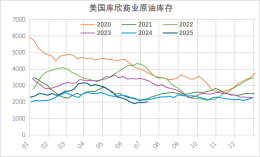
Polyethylene (PE) inventories remain far above the normal level for the same period, with output continuing to exceed market demand; despite ongoing fluctuations in polypropylene-grade propylene (PGP) feedstock prices, buyers still hold the upper hand in the polypropylene (PP) market; although the peak construction season, which should have supported demand for building materials, has arrived, polyvinyl chloride (PVC) prices continue to weaken; caprolactam (the feedstock for nylon 6) prices continue to decline; affected by the lower settlement price of the July benzene contract, polystyrene (PS) prices may see a sharp drop in July.
The above is a reflection of the market indicators, and the actual market trends have largely confirmed the data predictions. If buyers closely follow market data, refuse to accept unilateral quotes from suppliers, raise objections to extended pricing, and choose to negotiate in July instead of waiting and observing, their procurement costs will ultimately be much lower than those of buyers who take a wait-and-see approach.
This market forecasting framework is now critically important, as the warning signals of certain market indicators have already shifted.
Purchase benefits the market.
First, let's look at the categories with clear market trends:
The polyethylene market is showing the clearest signals. Following a 15-cent-per-pound price decline in June, July contract settlement prices are expected to fall by at least another 10 cents per pound. Ample supply and elevated inventories continue to suppress any upward pricing momentum from seasonal demand. One producer has announced plans to raise prices by 5 cents per pound in August, the first signal that suppliers are attempting to halt the price decline, but the supply-demand fundamentals monitored by ResinSmart do not support this proposed increase. Current market signals remain favorable for buyers. Procurement recommendation: Complete July negotiations as soon as possible and, based on current supply-demand fundamentals, proactively push back against the August price-increase proposal to prevent it from taking effect.
Despite continued fluctuations in polymer-grade propylene feedstock prices, the polypropylene market remains favorable to buyers. Polymer-grade propylene prices had previously stayed in the mid-40 cents-per-pound range and fell back to 44 cents this week. So far, no producers have announced price increase plans for July. Even with feedstock costs still elevated, suppliers have not proposed any price hikes, which is enough to reflect the current weak market demand and a pricing trend that is stable or moving downward.
Polyvinyl chloride (PVC) saw the smallest price fluctuation this week. Market supply continued to exceed demand, and no pricing adjustment plan for July has been released yet. The July confidence index for builders of newly built single-family homes stood at only 34, remaining below the 40 boom-bust line for 15 consecutive months and marking the longest downturn since 2012. Although housing starts rebounded sharply in June, supported by a recovery in multifamily construction, the improvement in demand was still insufficient to tighten market supply and demand. PVC buyers maintained strong bargaining power, and bullish market signals remained green.
Polyethylene terephthalate (PET) prices continued to decline, driven by raw material costs. The July contract settlement price for paraxylene (PX) was reduced by 2 cents per pound, and PET selling prices fell in tandem. Peak summer demand for bottle-grade materials has only been able to keep orders stable and has failed to reverse the downward price trend, with no price increase plans announced for August. Market pricing remains weak, and the key risks to watch in the third quarter are weather conditions along the U.S. Gulf Coast and sharp fluctuations in crude oil prices.
Market volatility in trends
This Friday, the market warning signal for major resin categories has turned yellow, with consistent factors driving price changes across all categories—spot prices of benzene have increased.
The raw material costs of polystyrene, acrylonitrile-butadiene-styrene copolymer (ABS), polycarbonate (PC), nylon 66 (PA66), and nylon 6 (PA6) are all highly dependent on benzene. The July benzene contract settlement price fell sharply, and that price has already been locked in, so July pricing for these five categories remains favorable to buyers. However, driven by higher crude oil prices and tightening market supply, spot benzene prices continued to rise throughout July, with weekend quotes reaching $4.93 per gallon. If this spot price remains elevated or continues to climb, the August benzene contract price will rise accordingly. The raw material cost relief that buyers originally expected to enjoy in the third quarter may be delayed until the end of the fourth quarter, or may even fail to materialize altogether.
For polystyrene, the trend of prices falling by at least 6 cents per pound in July will not change. The yellow alert does not mean that the purchasing environment will worsen in July; rather, it serves as a reminder to buyers that July may be the best short-term window for negotiating leverage. Be sure to finalize pricing negotiations as soon as possible to prevent suppliers from using rising spot benzene prices as leverage in August negotiations.
The market logic for acrylonitrile-butadiene-styrene copolymer (ABS) and polycarbonate is similar. As the July contract settlement prices for raw materials have declined, the cost benefit is gradually being passed through to end-user prices, with risks concentrated in August. Current July contract cost calculations still favor buyers, so negotiations should be completed before the August benzene price trend is finalized.
Nylon 66 and nylon 6 are both highly dependent on benzene feedstock. Nylon 6 is additionally supported by favorable caprolactam market conditions, although caprolactam prices have fallen sharply compared with last week. Based on the decline in raw material prices, there is ample room for negotiation in July nylon 6 procurement. Do not directly accept pricing carried over from June; instead, use raw material cost data to secure a better purchase price.
The Market Logic Behind Market Indicators
Lifeguards use warning flags to alert people to hazards at sea, because the ocean does not actively reveal the dangers it conceals. These flags translate complex real-world sea conditions into clear signals that people can act on, and accurate forecasting also gives the warning signals credibility.
All the market warning signals from the Resin Intelligence Information Platform for this summer have now come to pass. The current market has split into two distinctly different trends: buyers of polyethylene (PE), polypropylene (PP), polyvinyl chloride (PVC), and PET are holding ample bargaining power. Multiple data points—including inventory levels, raw material price trends, and the fact that suppliers have no plans to raise prices—support the buyers’ advantage, corresponding to a green warning signal. Purchasing strategy: actively negotiate, push back against unreasonable quotations, and strive for concessions, seizing the favorable market window to complete procurement.
The market warning signals for polystyrene (PS), ABS, polycarbonate (PC), nylon 66, and nylon 6 have turned yellow—not because the July procurement environment has deteriorated, but because the price trend of benzene feedstock in August is now far more uncertain than it was two weeks ago. Buyers who complete July price negotiations this week will be in a vastly different bargaining position compared with those who, during August negotiations, are forced to confront spot benzene price increases.
Market indicators will not be distorted; they will only objectively reflect the real supply and demand situation. The current procurement window remains open, but the bargaining power of purchasers will continue to narrow in the remaining time of the third quarter.
【Copyright and Disclaimer】This article is the property of PlastMatch. For business cooperation, media interviews, article reprints, or suggestions, please call the PlastMatch customer service hotline at +86-18030158354 or via email at service@zhuansushijie.com. The information and data provided by PlastMatch are for reference only and do not constitute direct advice for client decision-making. Any decisions made by clients based on such information and data, and all resulting direct or indirect losses and legal consequences, shall be borne by the clients themselves and are unrelated to PlastMatch. Unauthorized reprinting is strictly prohibited.
Most Popular
-
Strait of Hormuz Blocked Again, Supply-Demand Mismatch in Polyolefin Market Set to Intensify!
-

Versalis Shuts Down Polyethylene Plant in Brindisi, Italy
-

【Overseas News】Shipping traffic in the Strait of Hormuz has sharply declined! South Korea approves the reorganization of Liuzhi Petrochemical; Italy shuts down the PE plant
-
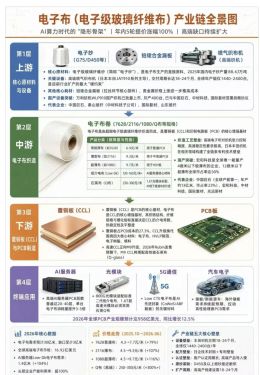
AI Computing Power Demand Ignites Electronic Fabrics! China Jushi Hits Limit Up! Domestic Substitution Welcomes Golden Window
-

[Overseas News] US Senate Approves Bill! SABIC Collaborates with Saudi Automobile Brand! Anti-fog Biodegradable Film Launched


