



Philippines Auto Sales Down 11.8% Year-On-Year In The First 4 Months
According to Gasgoo, the latest data released by the Chamber of Automotive Manufacturers of the Philippines, Inc. (CAMPI) show that in April 2026, overall vehicle sales in the Philippine automotive industry continued their year-on-year decline. Total sales in the first four months of this year reached 132,867 units, down 11.8% from 150,654 units in the same period last year. Among them, first-quarter sales fell 9.8% year on year, and after adding the April figures, the decline further widened.
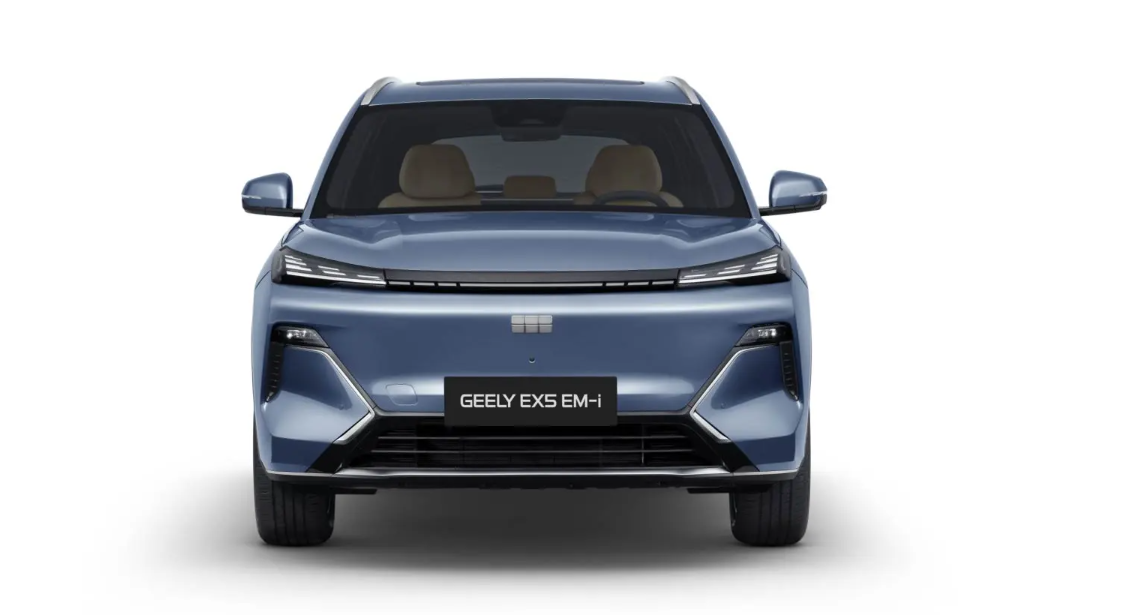
Image source: Geely
Despite pressure on the overall market, electrified models delivered strong performance. Sales of plug-in hybrid electric vehicles (PHEVs) surged, hybrid electric vehicles (HEVs) also achieved steady growth, while battery electric vehicle (BEV) sales slowed in April. Chinese automaker Geely was the biggest highlight of the month: driven by its newly launched EX5 EM-i plug-in hybrid model, Geely’s April sales reached 1,119 units, ranking fourth among all brands. Among them, PHEV sales totaled 493 units, far exceeding the 387 units sold by second-ranked Jetour; BEV sales reached 90 units, second only to Tesla’s 92 units, placing Geely in second place.
In terms of cumulative sales since the beginning of the year, Geely currently ranks 12th. The traditional leading carmakers maintain a stable pattern: Toyota Motor Philippines firmly holds the top spot with 66,206 units sold, followed by Mitsubishi Motors Philippines in second place with 24,371 units. Suzuki Philippines, Nissan Philippines, and Ford Philippines rank third to fifth, with sales of 6,289, 5,323, and 4,877 units respectively. Notably, except for Toyota, the other four major brands have all experienced significant year-on-year sales declines.
The report also noted that BYD Philippines (BYD Cars Philippines), being a non-member of CAMPI, had its sales excluded from the statistics; VinFast, which had been a leading brand in pure-electric vehicle sales, recorded zero sales in April.
CAMPI President Jose Maria Atienza stated: “The electrification trend we have observed over the past few years is continuing. The growing adoption of xEVs (including BEVs, PHEVs, and HEVs) is largely driven by increased consumer awareness and acceptance of electric technologies. Given the demand in the Philippines for various energy-efficient vehicles, this trend is expected to strengthen further.”
He added, “Rising oil prices will affect Filipino consumers’ driving habits and vehicle purchasing choices. This may not only accelerate the shift in preference toward electrified models, but also highlight the practicality of small, fuel-efficient vehicles with low-displacement engines. The automotive industry will continue to evolve in response to market demand.”
【Copyright and Disclaimer】The above information is collected and organized by PlastMatch. The copyright belongs to the original author. This article is reprinted for the purpose of providing more information, and it does not imply that PlastMatch endorses the views expressed in the article or guarantees its accuracy. If there are any errors in the source attribution or if your legitimate rights have been infringed, please contact us, and we will promptly correct or remove the content. If other media, websites, or individuals use the aforementioned content, they must clearly indicate the original source and origin of the work and assume legal responsibility on their own.
Most Popular
-
A Look at the Material Suppliers Behind SpaceX
-
BASF, Selling Again!
-
BASF Cuts Core Business As It Exits All Non-Core Operations, Triggering A New Round Of Industry Restructuring
-
Gas Explosion Accident at Shanxi Tongzhou Group Liushenyu Coal Mine Results in 82 Deaths
-

Bola Carbon Black Announces Global Restructuring of Specialty Carbon Black and Multi-Walled Carbon Nanotube Business


