



Packaging Industry Faces a Growing Component Obsolescence Crisis
The accelerated obsolescence of packaging equipment components requires the entire industry to strengthen supply chain coordination, communicate in advance, and establish formal management processes.

Industry stakeholders lack formal processes to respond to costly disruptions, highlighting the urgent need to improve communication and collaborative planning strategies. Getty Images
The obsolescence of mechanical parts, electrical and electronic components, as well as software and digital infrastructure, is spreading rapidly in the packaging and processing industries, causing costly disruptions for manufacturers striving to maintain equipment lifecycles.
According to the “Obsolescence Management” report released in July 2026 by the Business Intelligence division of PMMI, The Association for Packaging and Processing Technologies, software and digital components are the most affected by obsolescence issues.
The report indicates that the main force driving obsolescence is the development of new technologies, but failures, digital incompatibility, and issues with material costs and supply also play important roles.
Key Gaps in Obsolescence Management
Although obsolescence issues are costly and disruptive, the report found that a large number of end users, original equipment manufacturers, and component suppliers have not established formal response procedures, nor do they have dedicated obsolescence management personnel.
In addition, the time window for obsolete communication and the period during which obsolete components remain available for purchase are often shorter than industry expectations, creating planning challenges and operational disruptions.
This report analyzes the operational impact of obsolescence issues and explains how end users, original equipment manufacturers, and component suppliers can bridge the gap between industry needs and current practices. The report points out that strengthening coordination across the supply chain and within organizations can help improve planning, reduce disruptions, and enhance responses to future obsolescence events.
Strategic divergence reveals communication gaps.
To mitigate the negative impact of obsolescence, end users rely on stocking spare inventory, seeking alternatives, purchasing new equipment, and extending component life through preventive maintenance programs. PMMI noted in its report that end users want OEMs to communicate obsolescence events as early as possible, avoid using custom components, and assist in planning for and addressing obsolescence challenges.
However, OEMs’ obsolescence management strategies primarily focus on providing conversion kits, manufacturing new components, and selling new equipment. OEMs also hope to communicate as early as possible and assist in planning and organizing potential obsolescence events. In addition, they would like component manufacturers to be more transparent regarding R&D timelines.
To meet these needs, some component manufacturers explain the reasons for component discontinuation, provide alternatives, and give estimates of product lifespans and conversion kit costs.
Collaboration is the key to managing future risks.
The report concludes that all stakeholders are responsible for communicating, planning, and managing obsolescence events. Collaboration and more formal processes will help prevent obsolescence events that trigger cascading effects across multiple components or systems, or that lead to the premature depletion of buffer stock.
Original equipment manufacturers and component suppliers should prioritize proactive communication and provide ample lead time and support information when issuing obsolescence notifications. The report also indicates that they should be prepared to convey this information to multiple contacts and departments within customer organizations.
To manage future risks and costs, end users will benefit from the data needed to incorporate obsolescence factors into total cost of ownership calculations and into upfront initiatives such as proactive service agreements and component planning strategies.
【Copyright and Disclaimer】This article is the property of PlastMatch. For business cooperation, media interviews, article reprints, or suggestions, please call the PlastMatch customer service hotline at +86-18030158354 or via email at service@zhuansushijie.com. The information and data provided by PlastMatch are for reference only and do not constitute direct advice for client decision-making. Any decisions made by clients based on such information and data, and all resulting direct or indirect losses and legal consequences, shall be borne by the clients themselves and are unrelated to PlastMatch. Unauthorized reprinting is strictly prohibited.
Most Popular
-

Raw Material Supply Shortage! INEOS Phenol Declares Force Majeure on Phenol and Acetone Businesses
-
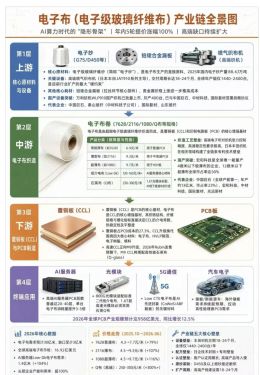
AI Computing Power Demand Ignites Electronic Fabrics! China Jushi Hits Limit Up! Domestic Substitution Welcomes Golden Window
-
1.451 billion bet! why the newly installed production line of guofeng new materials has japanese giants uneasy?
-

Braskem And Lallemand Launch Renewable Bioacetone For The Plastics Industry
-
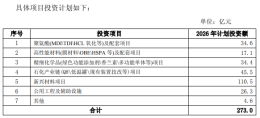
Wanhua Chemical Announces Key Investment Directions for 2026


