



One Fabric Hard to Find! AI Computing Power Sparks Market Trends, How Long Can the Plastics Material Dividend Last?
At midday on August 7, the core glass fiber electronic cloth stock Honghe Technology surged to the daily limit price of 163.61 yuan before opening off the limit and pulling back. Its upstream glass fiber roving leader, China Jushi, also hit the daily limit before opening off and fluctuating at high levels. International Composite Materials surged sharply and closed up 8.86%. The three core stocks in the industrial chain drove a broad rally across PCB, copper-clad laminate, and glass fiber sectors, including Shengyi Technology and Nanya New Material.
Behind the unusual market moves lies an industry truth: a thin sheet of fiberglass electronic cloth has unexpectedly become a key bottleneck in the AI computing power supply chain. An extreme supply-demand mismatch is driving a boom across the entire plasticized electronic substrate industry chain. How long can this industry dividend last?
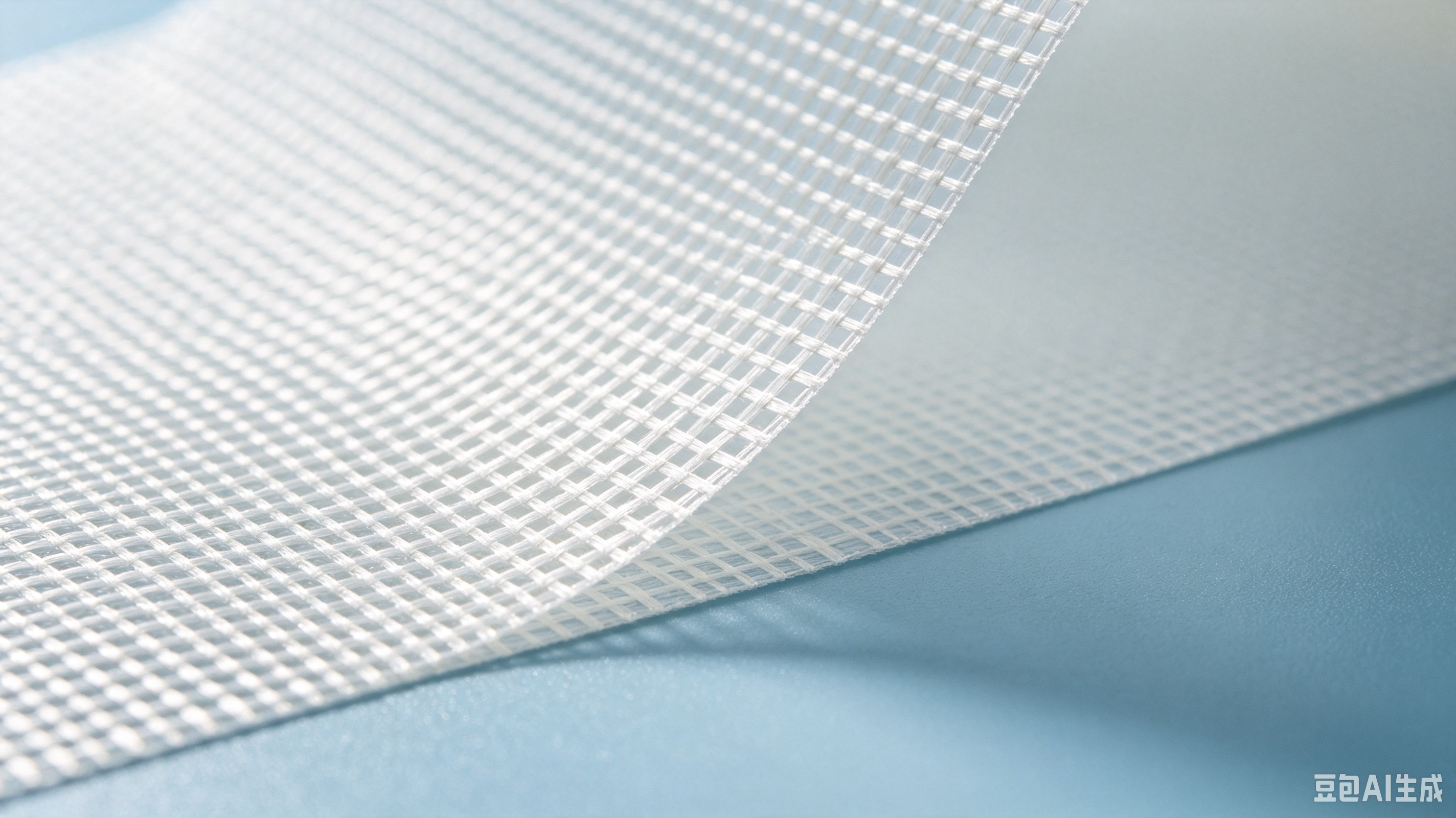
Image source: Doubao
Zhuansu Shijie has learned that Goldman Sachs recently raised its forecast for the compound growth rate of AI server PCBs from 2026 to 2028 to 148%. Rigid demand for computing-power motherboards is driving an explosion in demand for high-end specialty electronic fabric, and Honghe Technology’s long-term orders for high-end fabric have already been locked in through 2027. However, the delivery cycle for high-end imported looms is nearly two years, industry finished-goods inventories are at zero, and companies’ expansion projects are unlikely to fill the gap in the short term. Spot electronic fabric is “hard to come by, with prices more likely to rise than fall.”
More noteworthy is that the first-half performance forecasts of five core companies in the industrial chain have all risen across the board, with the highest expected increase reaching 364%! The price-boosting dividend has already materialized, and upstream plasticized raw materials such as glass fiber electronic yarn and electronic-grade epoxy resin have also risen in price simultaneously. Electronic glass fiber plasticized substrates have officially entered a long-term upward cycle driven by a supply-demand mismatch.
1. Iterative Computing Hardware Expansion Unlocks the Long-Term Growth Ceiling for Electronic Fabrics
The AI server industry wave is being transmitted from the top down to the PCB substrate segment, becoming the core driver behind the price increases of electronic fiberglass cloth. Goldman Sachs’ latest research report has significantly raised its estimates for the AI server PCB and copper-clad laminate markets. It expects the global AI server PCB market to reach $37.5 billion in 2027, up 38% from its previous forecast, and further increase to $84.0 billion in 2028, implying a 148% CAGR for AI server PCBs from 2026 to 2028.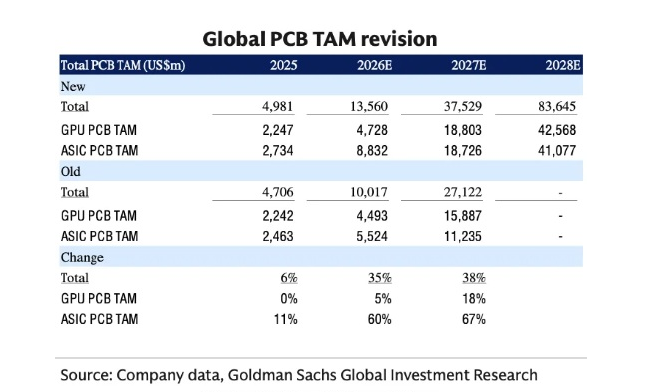
Source: Goldman Sachs report
Incremental demand is supported by clear data. As a leading domestic manufacturer of high-end electronic fabric, Honghe Technology has secured orders for ultra-thin and low-Dk specialty electronic fabric through 2027, with long-term agreements ensuring shipment volumes over the next two years and no risk of a short-term demand decline.
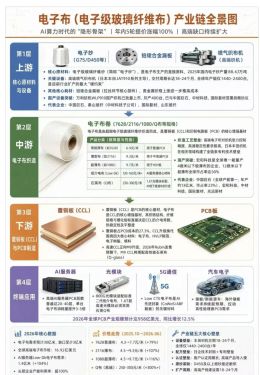
The transmission chain across the industry is clear: cloud service providers are ramping up purchases of AI servers → PCB manufacturers are expanding production of high-end substrates → copper-clad laminate companies are rushing to secure orders for electronic fiberglass cloth → upstream procurement volumes of fiberglass yarn, electronic epoxy resin, and other polymer-based raw materials continue to climb. This wave of computing power demand is characterized by strong sustainability and rapid growth, laying a solid foundation for the market outlook of the electronic polymer materials industry.
2. Multiple rigid supply bottlenecks make it difficult to close the short-term supply-demand gap.
Persistent demand growth, coupled with multiple constraints on the supply side, has created a situation in which electronic glass fabric is seeing “monthly price hikes and spot shortages,” and this is also the key reason why plastic and polymer materials have reached their full upside price elasticity.
First, there is a capacity bottleneck in core high-end weaving machines. The delivery cycle for imported customized air-jet looms adapted for ultra-thin, low-dielectric electronic fabric exceeds 18 months. Existing looms across the industry are operating at full capacity 24 hours a day, leading mainstream manufacturers to maintain nearly zero finished goods inventory. Downstream CCL companies can only secure supply through long-term contracts, and spot market availability has dried up.
Secondly, the capacity expansion cycle for leading players is lengthy. Honghe Technology’s RMB 8 billion high-end electronic fabric project is still in the infrastructure preparation stage, and it will take 2–3 years from equipment procurement to stable mass production. As a result, it is unlikely to generate meaningful capacity in 2026–2027. The new capacity will not be able to match demand growth, and the supply-demand gap is expected to persist over the long term.
Finally, high-end products are protected by formidable technological barriers. Advanced AI applications impose stringent requirements on the flatness of fiberglass yarn and resin wettability in specialty electronic fabrics, while the supporting plastic raw materials also carry high technical thresholds. It is difficult for small and medium-sized enterprises to enter the market quickly, allowing leading companies’ order advantages to continue expanding and making electronic fabric prices more prone to rise than fall.
III. Performance Delivered Across the Board, with Price-Hike Benefits Cascading Through the Plastics and Chemicals Industry Chain
Sustained price increases are directly translating into corporate profits. Performance forecasts for the first half of 2026 from five leading companies across the industry chain all point to strong growth, with the highest projected increase reaching 364%, confirming robust prosperity across the entire chain at different levels and dispelling doubts that this is merely thematic speculation.
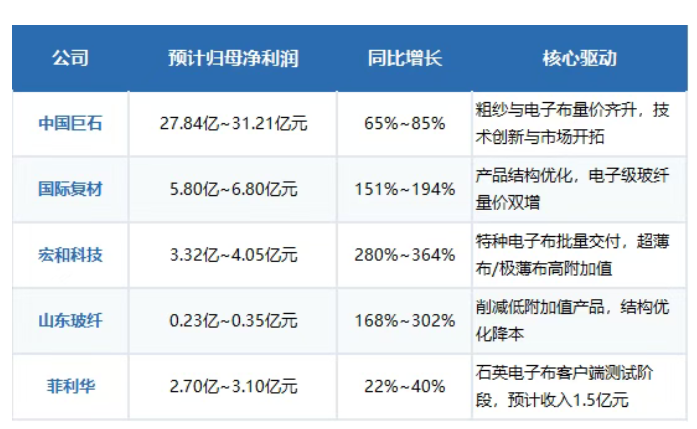
As the leading player in upstream fiberglass raw materials, China Jushi expects a net profit attributable to shareholders of 2.784 billion to 3.121 billion yuan in the first half of the year, representing a year-on-year increase of 65% to 85%. This growth is driven by a simultaneous rise in both the volume and price of roving and electronic fabrics, along with technological upgrades and expansion into overseas markets, highlighting the resilience of profitability. The performance elasticity of the international composite materials sector is even more pronounced, with a projected net profit of 580 million to 680 million yuan, a year-on-year increase of 151% to 194%. This is mainly attributed to the shift in product structure towards electronic-grade fiberglass, with high-end products significantly outperforming traditional categories in terms of profitability.
Mid- to high-end electronic glass fabric companies are seeing explosive profit growth. Honghe Technology expects its net profit attributable to shareholders in the first half of the year to be RMB 332 million to RMB 405 million, up 280% to 364% year on year, with second-quarter earnings rising about 64% quarter on quarter. The company focuses on ultra-thin fabrics, low-dielectric and other specialty electronic fabrics. In the first quarter, its overall gross margin reached 55.65%, while gross margin for high-end specialty fabrics reached 61.31%. The concentrated delivery of high-priced long-term contracts drove a sharp jump in profitability. Shandong Fiberglass expects net profit of RMB 23 million to RMB 35 million, up 168% to 302% year on year. By reducing low value-added products and focusing on electronic-grade fiberglass materials, the company has achieved cost reduction and efficiency gains.
Although Feilihua, a key player in forward-looking strategic deployment, is still in the certification stage, it has already begun to reap benefits. The company expects net profit for the first half of the year to reach RMB 270 million to RMB 310 million, up 22% to 40% year on year, with revenue from the quartz electronic cloth segment estimated at RMB 150 million. The company stated that the accelerated construction of global AI computing power centers is the core growth driver, and that its products are expected to reach an earnings inflection point once batch certification is completed.
Profits are being transmitted along the industrial chain. Price increases in electronic glass fiber cloth are driving up quotations for glass fiber yarn, electronic-grade bisphenol A epoxy resin, silane coupling agents, and other plastic-related raw materials. At the same time, upstream manufacturers of specialized plastic materials are seeing higher operating rates and stronger pricing power, creating a clear divergence from the weak market conditions for traditional general-purpose glass fiber and ordinary epoxy resin.
IV. Outlook on the Future of the Plastics and Chemicals Industry: Reference for Industry Practitioners’ Strategic Planning
Judging by the three dimensions of demand, supply, and performance, the tight supply–demand balance for high-end electronic fabrics in 2026–2027 will be difficult to reverse, and electronic glass fiber and their supporting plasticized substrates will remain in a long-term high-profitability/high-demand phase. Plasticized material manufacturers can avoid the cutthroat competition in generic products and focus on differentiated offerings—such as ultra-thin glass fiber yarn and low-dielectric modified resins—to enter the AI server PCB supply chain; plasticized material traders should reduce spot-market speculation, secure long-term contracts with leading factories, and deepen downstream channels with rigid demand; industrial investors should prioritize allocating to glass fiber and plasticization leaders that have achieved mass production of high-end specialty fabrics and are tied to top customers, seizing the opportunity for simultaneous growth in earnings and valuation.
A thin sheet of electronic fiberglass fabric connects the core substrate segment of the global AI computing power industry chain, while also rewriting the cyclical logic of the fiberglass plasticization industry—transforming it from a consumer-electronics-driven cyclical sector into a growth track driven by rigid demand for computing infrastructure. With overseas equipment supply constrained and domestic capacity expansion lagging, the value re-rating of upstream plasticized raw materials supporting electronic fiberglass still has ample room to continue before new capacity is released in a concentrated manner.
Editor: Abby
【Copyright and Disclaimer】This article is the property of PlastMatch. For business cooperation, media interviews, article reprints, or suggestions, please call the PlastMatch customer service hotline at +86-18030158354 or via email at service@zhuansushijie.com. The information and data provided by PlastMatch are for reference only and do not constitute direct advice for client decision-making. Any decisions made by clients based on such information and data, and all resulting direct or indirect losses and legal consequences, shall be borne by the clients themselves and are unrelated to PlastMatch. Unauthorized reprinting is strictly prohibited.
Most Popular
-
2026 Electronic Components Price Increase Notice
-
AI Computing Power Demand Ignites Electronic Fabrics! China Jushi Hits Limit Up! Domestic Substitution Welcomes Golden Window
-

Raw Material Supply Shortage! INEOS Phenol Declares Force Majeure on Phenol and Acetone Businesses
-

Europe’s “Walls” Keep Rising, but China’s Cars Keep Selling More
-

Packaging Industry Faces a Growing Component Obsolescence Crisis


