



Nike Unveils First Dual-Color Integrated 3D-Printed Sneaker, Air Max 1000, Made with TPU Material
Nike is partnering with Zellerfeld to create a new multi-colored version of the Air Max 1000 sneaker. This follows the release of the monochrome 3D-printed Nike Air Max 1000 in late 2024. TPUMaterial.
Recently, Nike and its long-term additive manufacturing partner, Zellerfeld, have jointly developed a new 3D printing technology: for the first time, it allows for the simultaneous output of two colors in a single, seamless printing operation. This innovative technology has been initially applied to the new Nike Air Max 1000 “Multicolor” footwear, marking a crucial step towards the large-scale commercial production of full-color, multi-material additive manufacturing.
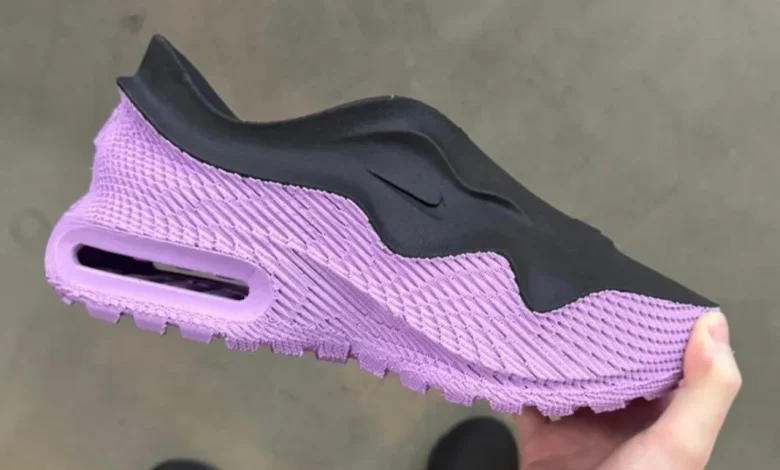
This release marks a significant step in the collaboration between Nike and Zellerfeld, transitioning from a technological pilot to a scaled production strategy. Their partnership began a decade ago with Nike's early push for 3D-printed footwear applications, and was marked by a return in 2024 with the relaunch of its 3D printing business and the introduction of the Nike Air Max 1000 monochromatic edition.
Later, Nike teamed up with renowned athletes Kylian Mbappé (Real Madrid Football), Léon Marchand (Swimming), and Victor Wembanyama (San Antonio Spurs Basketball) to release a French-themed Nike Air Max 1000 (AM 1000).
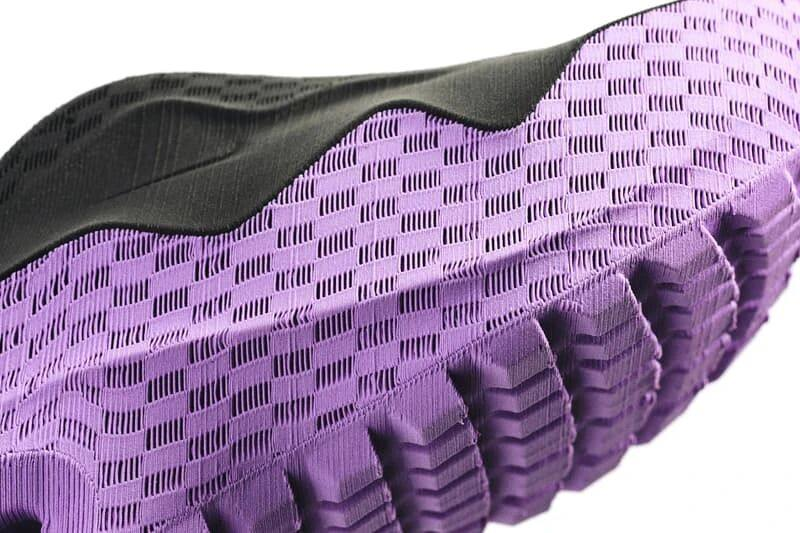
Unlike the Air Max 1000, which previously used monochrome 3D-printed shoes, the new "Multicolor" version directly incorporates dual-color areas during the printing process. The color accuracy and geometry are identical, eliminating the need for post-processing steps like painting or assembly. The prototype clearly shows the color separation: a purple base extends from the sole to the upper, intersecting with black at the shoe's iconic wavy silhouette, while the heel features a contrasting black Air cushion.
Nike points out that this Air Max 1000 "Multicolor" is the world's first commercially available dual-color integrated 3D-printed footwear product, opening up new creative spaces for designers and brands. This technology enables vibrant color combinations without compromising the Air Max 1000's iconic monolithic mesh structure.
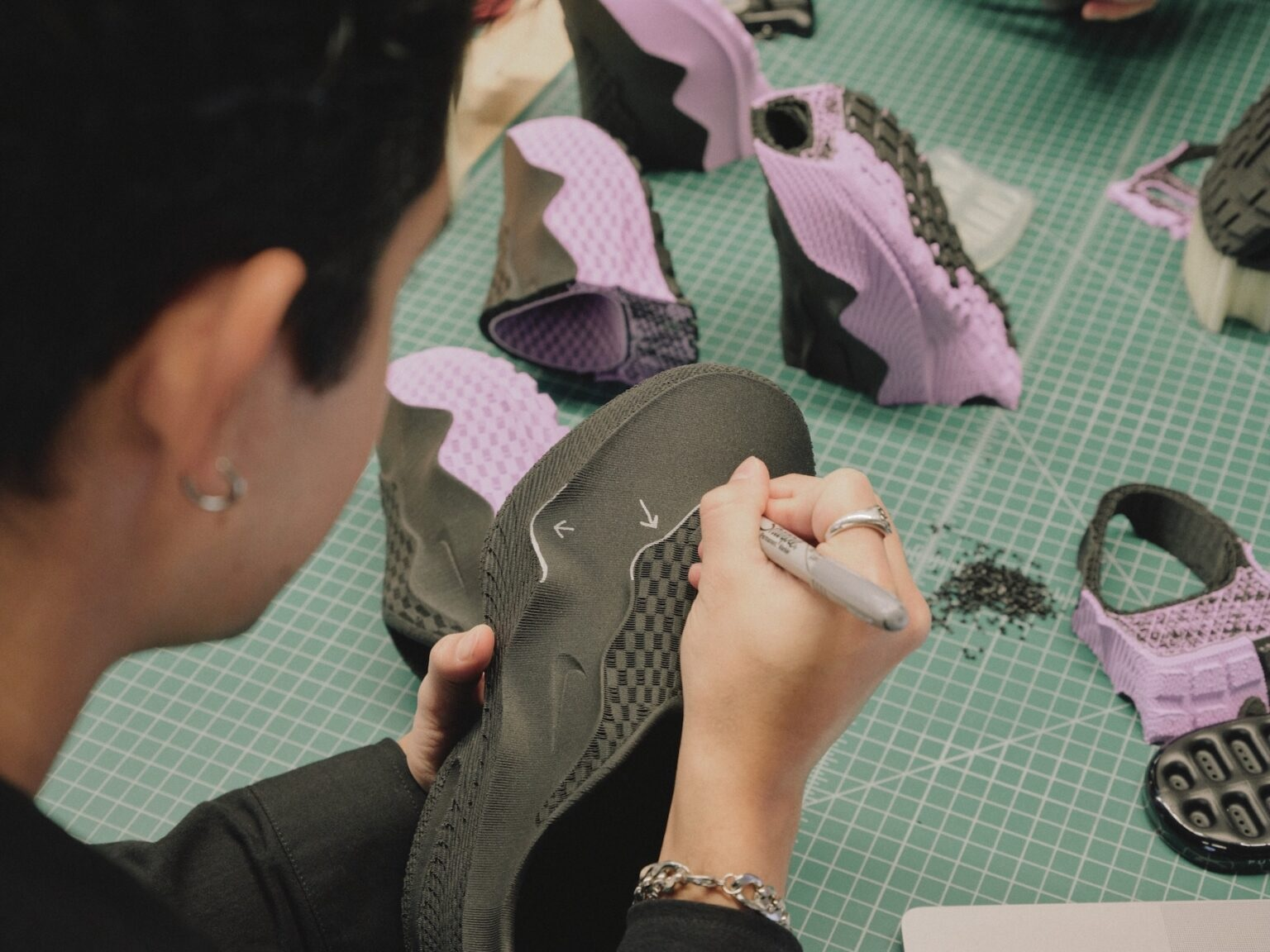
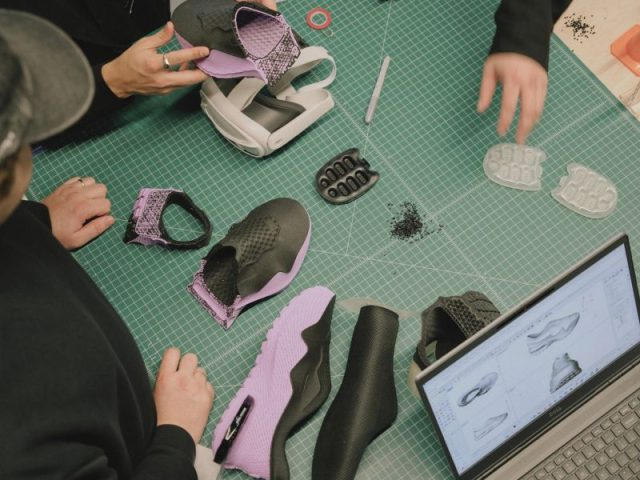
This release marks Nike and Zellerfeld's transition from small-scale pilot to scaled production, a strategic shift exemplified by the Air Max 95000, set to launch in late 2025. This shoe introduces Nike's "print-first" system, Project Nectar, which combines material formulation with toolpath control to enhance outsole durability, traction, and integrated detailing.
While the Air Max 95000 achieves its multicolor effect through layered printing technology, its process is not the same as the single-pass, two-tone printing technology currently applied to the Air Max 1000.
Zellerfeld's Gen3 printers are used for the mass production of both shoes, enabling complex mold-free forming and parametric assembly capabilities that enhance repeatability and efficiency for retail-scale production. According to both companies, this platform-based approach helps accelerate iteration speed, expand design freedom, and lay the groundwork for future personalization.
The Air Max 1000 "Multicolor" is expected to launch later this year, with more colorways and other 3D-printed Air Max models to follow. As Nike continues to integrate additive manufacturing deeper into its footwear lineup, two-tone printing marks a significant step in Nike's approach to color as a native design parameter, rather than an applied color.
【Copyright and Disclaimer】The above information is collected and organized by PlastMatch. The copyright belongs to the original author. This article is reprinted for the purpose of providing more information, and it does not imply that PlastMatch endorses the views expressed in the article or guarantees its accuracy. If there are any errors in the source attribution or if your legitimate rights have been infringed, please contact us, and we will promptly correct or remove the content. If other media, websites, or individuals use the aforementioned content, they must clearly indicate the original source and origin of the work and assume legal responsibility on their own.
Most Popular
-

EU Changes ELV Regulation Again: Recycled Plastic Content Dispute and Exclusion of Bio-Based Plastics
-
Vioneo Abandons €1.5 Billion Antwerp Project, First Commercial Green Polyolefin Plant Relocates to China
-

List Released! Mexico Announces 50% Tariff On 1,371 China Product Categories
-
Vynova's UK Chlor-Alkali Business Enters Bankruptcy Administration!
-
New 3D Printing Extrusion System Arrives, May Replace Traditional Extruders, Already Producing Car Bumpers

