Nike: 100% Recycled Polyester Makes 2026 World Cup Jerseys
Recently, Nike announced that it will launch 100% textile waste-made football jerseys for the 2026 World Cup. Nike claims that these kits, which use advanced chemical recycling technology and Aero-FIT technology, are "light, unrestricted, and comfortable," while setting new standards for sustainability.
Janett Nichol, VP of Innovation at Nike Apparel and Advanced Digital Creation Studio, said: "Nike's mission is to help athletes push the limits. Our groundbreaking Aero-FIT technology has achieved industry” It seems there was a minor part of the text that was not fully translated. Here's the complete translation: Janett Nichol, VP of Innovation at Nike Apparel and Advanced Digital Creation Studio, said: "Nike's mission is to help athletes push the limits. Our groundbreaking Aero-FIT technology has achieved industry-iconic innovation in apparel, both in top-tier athletic performance and scalable sustainability."
Traditional mechanical recycling has a fundamental flaw: each time plastic or polyester fibers undergo melting and re-spinning, the polymer chains break and shorten. As a result, the material degrades and its strength drops significantly, rendering it unsuitable for garment production—especially failing to meet the stringent requirements of premium sportswear. In contrast, chemical recycling overcomes this challenge by decomposing textile waste down to the molecular level using solvents, heat, and chemical reagents, reducing polyester back into its monomers. The resulting material exhibits physical properties identical to those of virgin petroleum-based polyester.

The yarn used for Nike's 2026 World Cup jerseys is this kind of fiber with equivalent virgin quality, which is why it can meet the high complexity and precise gauge requirements of the Aero-FIT technology. Unlike the traditional use of recycled plastic bottles, Nike's raw material for this time is used clothing and factory textile scraps. The recycling process is:
① Sort and shred the waste material, removing non-polyester components such as zippers and buttons.
Put the shredded material into the reactor, add a special chemical catalyst;
③ Filter out impurities such as dyes and chemical coatings, and separate blended materials in the liquid state;
④ Pure monomers are repolymerized into long-chain polymers, which are then spun into yarn.
Nike Executive Vice President and Chief Operating Officer Venkatesh Alagirisamy said, "This is a breakthrough innovation for athletes, demonstrating that high performance and circularity can coexist without compromise. From rising temperatures to more demanding competition environments, athletes' needs are driving us to redefine what's possible."
【Copyright and Disclaimer】The above information is collected and organized by PlastMatch. The copyright belongs to the original author. This article is reprinted for the purpose of providing more information, and it does not imply that PlastMatch endorses the views expressed in the article or guarantees its accuracy. If there are any errors in the source attribution or if your legitimate rights have been infringed, please contact us, and we will promptly correct or remove the content. If other media, websites, or individuals use the aforementioned content, they must clearly indicate the original source and origin of the work and assume legal responsibility on their own.
Most Popular
-
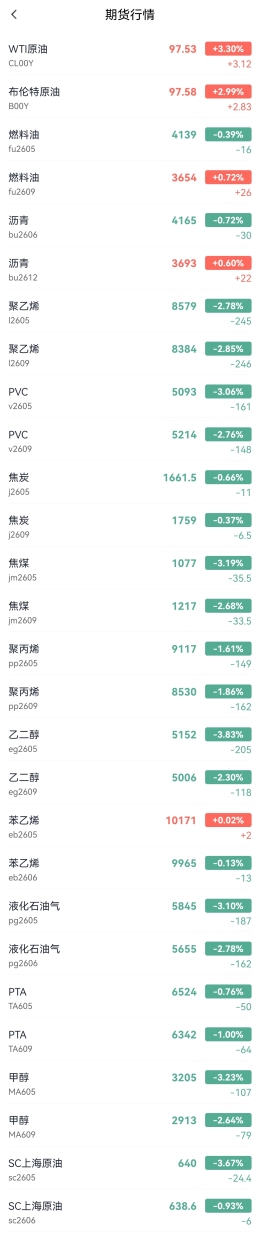
Middle East Tensions Escalate Again? U.S.-Iran Talks Collapse Before Starting, Crude Oil Volatility and Plastic Futures Retreat, Plastics Market Faces New Test
-

BASF Delivers First Batch of Innovative Cathode Materials for Semi-Solid-State Batteries to Weilan New Energy
-

Saudi Core Petrochemical Zone Hit! Trump Issues "Final Deadline" Threat to Iran! Over 5 Million Tons of Production Capacity Halted in April
-

Magna Announces Sale Of Lighting And Roof Systems Business
-

Vimar Launches Linea Switch Range Using Envalior Recycled Material, Cutting Carbon Footprint by Over 80%