



New Study Finds Polyethylene and Polypropylene (PP) Packaging Can Fully Biodegrade Within Two Years
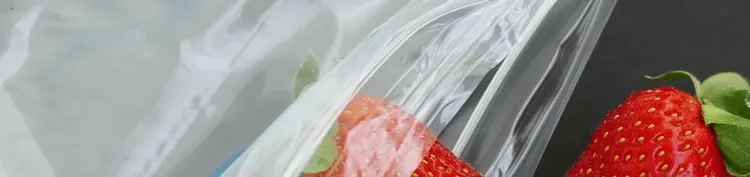
For packaging manufacturers and product developers currently evaluating biodegradable alternatives to conventional polyethylene (PE) and polypropylene (PP), a study described by researchers as a global first offers new reference data. This study, jointly released by Imperial College London, SIRIM, and Polymateria, demonstrates that PE and PP packaging using Polymateria’s biotransformation technology can achieve complete biodegradation in the natural environment within two years.
Converted into biologically utilizable waxy substances
It is estimated that about 32% of plastic packaging globally enters the natural environment each year, neither collected nor recycled. Such plastics can persist for hundreds of years and, after entering the oceans, fragment into microplastics. At the same time, thanks to their durability and low cost, plastics are extremely useful across many industries; in many parts of the world, plastics remain a key material for ensuring the steady supply of fresh food, clean water, and hygiene products.
Polyethylene and polypropylene are the most widely used plastic packaging materials, commonly found in daily necessities such as cups, straws, plastic bags, and plastic films, as well as in hygiene products such as masks and wet wipes.
Researchers have stated that plastics equipped with this bioconversion technology, when exposed to the natural environment, rapidly convert into a waxy substance that can be biologically utilized, without producing microplastics. Assessments have confirmed that this waxy substance is environmentally safe; biodegradation tests have demonstrated that microorganisms can completely consume this waxy substance, leaving no residual original plastic material.
伦敦帝国理工学院通过详尽分析还发现,能够分解该类塑料的微生物广泛天然存在于世界各地的土壤中,降解过程无需特殊环境条件。微生物分解这类塑料的方式,和分解天然油脂、黄油的机理一致。
Dr. Jose Jimenez Zarco, an Associate Professor of Synthetic Biology at Imperial College London and a leading researcher in microbiome-related studies, said: “Identifying a pathway to achieve complete biodegradation of polyolefin plastics is a major breakthrough. We now know that plastic materials previously thought to be virtually indestructible can safely return to nature. We are thrilled to see this technology make a real difference in tackling plastic pollution in the real world.”
为马来西亚监管标准提供佐证
马来西亚官方检测认证机构SIRIM(SIRIM)开展了这项研究中具有里程碑意义的生物降解测试。该研究进一步佐证了SIRIM2023年发布的国家生态标签SIRIM ECO 098,该标签参考英国BSI PAS 9017标准制定。这一生态标签为马来西亚推广可生物降解塑料、治理塑料污染提供支撑。
SIRIM Senior Researcher Muhammad Zuhayr stated: "We are honored to collaborate with Imperial College London and Polymateria on this cutting-edge research. According to the Malaysia Plastic Sustainability Roadmap (2021-2030), a significant portion of plastics in Malaysia are neither recycled nor properly disposed of through appropriate waste management channels, resulting in plastic leakage that pollutes the environment. This also indicates that we must continue to improve the waste management system while expanding the range of sustainable material options; both are equally important."
“Beyond various national-level initiatives, reliable alternative materials such as biodegradable plastics can help Malaysia transition to a circular plastics economy. Through SIRIM’s eco-labeling program, we help businesses, policymakers, and ordinary consumers confidently choose a range of reliable alternative materials.”
Multiple brands and regions have successively adopted this technology.
More than 300 brands across Asia, including many internationally renowned names, are rapidly adopting this biotransformation technology to address the region’s severe plastic leakage problem. Several stadiums in the UK have already implemented the technology, and it is now being gradually introduced in emerging markets such as Africa.
Plastic governance emphasizes a coordinated approach of reduction, reuse, and recycling. This study will strengthen the confidence of brands, industries, and policymakers, and promote the adoption of biodegradable plastics for pollution control across global markets and sectors.
Dr. Florence Huynh, one of the study’s lead authors and Vice President of Innovation at Polymateria, said: “As a science-driven company, the publication of these findings marks an important milestone in our mission to combat plastic pollution. The research confirms that conventional plastics can achieve complete biodegradation in open-air terrestrial environments. Each year, 32% of global plastic packaging waste leaks into the environment; this study once again reassures policymakers and industry that scalable, deployable solutions already exist for this portion of waste. We thank the experts at Imperial College London and SIRIM for giving us the opportunity to complete this pioneering research together.”
【Copyright and Disclaimer】This article is the property of PlastMatch. For business cooperation, media interviews, article reprints, or suggestions, please call the PlastMatch customer service hotline at +86-18030158354 or via email at service@zhuansushijie.com. The information and data provided by PlastMatch are for reference only and do not constitute direct advice for client decision-making. Any decisions made by clients based on such information and data, and all resulting direct or indirect losses and legal consequences, shall be borne by the clients themselves and are unrelated to PlastMatch. Unauthorized reprinting is strictly prohibited.
Most Popular
-

Billion-Level Project Officially Launched! Building A Hexanediamine-Hexamethylenediamine-Nylon 66-High-End Nylon Industry Chain
-
Thermoforming Industry Adopts Lightweight Solutions and Artificial Intelligence to Address Rising Costs
-
Price hike again! basf to raise north american caprolactam and nylon prices starting september
-

Rhein River Water Level Hits Record Low! Covestro And BASF Announce Force Majeure For Some Products
-
Ai vision system revolutionizes plastic quality inspection


