Middle East Tensions Escalate Again? U.S.-Iran Talks Collapse Before Starting, Crude Oil Volatility and Plastic Futures Retreat, Plastics Market Faces New Test
Within just two days, the Middle East situation has undergone a fatal reversal! Just as the U.S. and Iran had reached a bilateral temporary ceasefire, Israel launched its most intense air strikes to date against Lebanon—causing U.S.-Iran talks to collapse even before formal negotiations began. The Strait of Hormuz has once again suspended shipping; tensions between Iran and the U.S. have escalated sharply; global crude oil markets have plunged into turmoil; and domestic plastic futures have simultaneously come under pressure, retreating significantly. The entire global plastics and petrochemical industry has been dragged into a high-risk abyss, with raw material production cuts and surging end-product prices sweeping across the sector, further intensifying the industry-wide crisis.
Fatal Reversal! Aerial Attacks in Israel and Lebanon Spiral Out of Control, US-Iran Talks "Collapsed Before They Began"
On Tuesday, US President Trump reached a mutual temporary ceasefire agreement with Iran, bringing a brief hope for easing the situation in the Middle East. However, the next day, Israel launched its most intense air strikes against Lebanon, directly causing the US-Iran peace talks to fall apart. The Strait of Hormuz was completely closed again, forcing oil tankers to turn back and numerous vessels to be stranded near the strait. Iran's military spokesperson clearly stated that while hoping to reach an agreement through negotiations, Iran is prepared for a prolonged war if the talks fail. US President Trump immediately responded strongly, warning that if the agreement is not complied with, the US military will open fire "beyond anyone's imagination." The fierce confrontation between the two sides completely shattered the market's expectation of a ceasefire, and geopolitical risks once again dominated the global energy and chemical markets.
Crude Oil Plunges! Prices Rise Abroad but Fall Domestically, Weighing Down Plastic Futures Across the Board
Amid sudden geopolitical shifts, international crude oil prices halted their previous sharp decline and rebounded rapidly, with geopolitical risk premiums returning. However, dragged down by domestic market sentiment, prior losses, and weak downstream demand, the domestic futures market saw more declines than gains during the midday session on April 9, with the energy and chemicals sector broadly correcting and market bulls and bears intensifying their tug-of-war.
From a market perspective, the main contracts of ethylene glycol, SC crude oil, PVC, and methanol fell by more than 3%, while the main contract of polyethylene (LLDPE) declined by over 2%. The divergence—rising overseas crude oil prices but weakening domestic prices—has weighed on polyethylene futures, causing them to retreat. Currently, market trading logic is entirely driven by geopolitical developments, resulting in significantly heightened volatility and continuously rising operational risks across the industry.
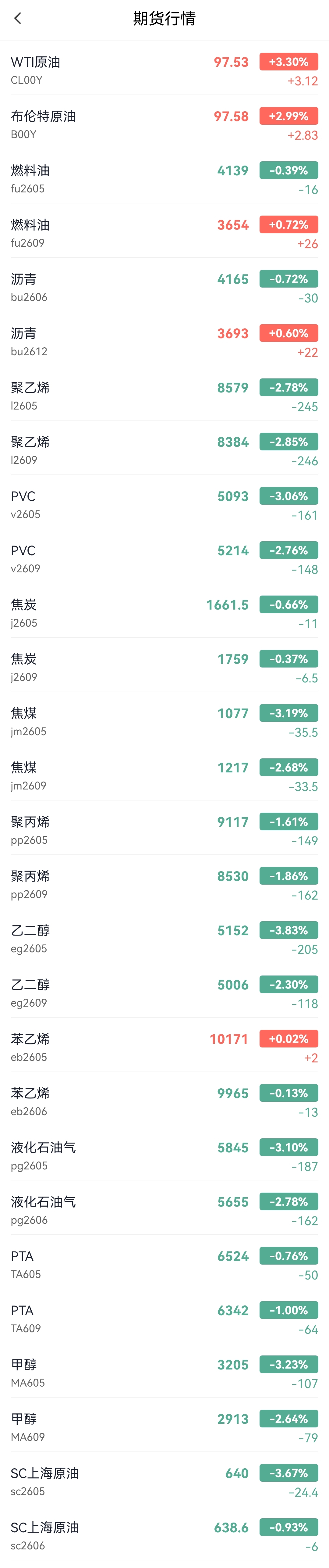
Photo source: Plastic Vision
Production Cut Impact! 22 Million Tons Shortage of Ethylene, Full-line Price Hikes in Downstream Affect Livelihood
The Middle East, as a core region for global ethylene production, has seen severe disruptions in its petrochemical supply system due to ongoing regional geopolitical tensions. Military strikes by the US and Israel against Iran have directly caused interruptions in petrochemical feedstock supplies. According to industry estimates, the region has lost about 15 million tons of ethylene production, and global ethylene production is expected to decline by 22 million tons in 2026, equivalent to 12% of the global ethylene production in 2025.
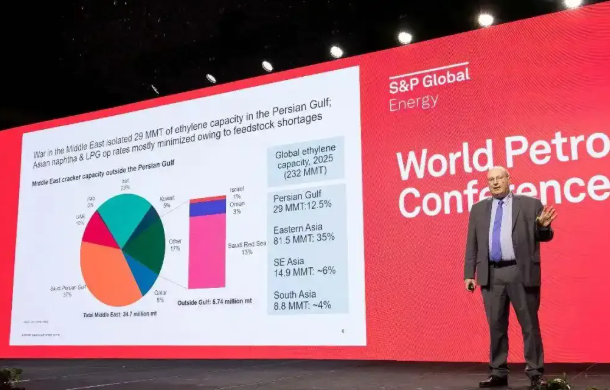
Image source: Today's Plastic Prices
It is currently the critical period for spring plowing and preparation. Prices of agricultural films and ground mulch have risen in tandem with raw materials, with ground mulch increasing by RMB 0.8–1.2 per kilogram, and high-quality seeds rising by 5%–10%. Among daily-use plastic products, garbage bags, food storage containers, and storage bins have seen price increases of 5%–10%, while supermarket shopping bags and takeout food containers have each risen by RMB 0.1–0.2 per unit.
Multiple plastic and packaging companies have issued price increase notices in quick succession. Meanwhile, due to tightening plastic supply, a shift toward paper-based packaging alternatives is emerging, resulting in a recent 30%-40% rise in inquiries for packaging paper, with kraft paper experiencing the most significant demand growth.
Moreover, civilian natural gas, fertilizers, pesticides, and daily chemical products such as personal care and cleaning items have also seen slight price increases; the impact of the Middle East conflict has permeated all aspects of daily life.
Snow on the snow! Formosa PVC quote "stuck", Asian market in panic
The impact of the geopolitical crisis has further spread to the Asian PVC market. As the regional supply leader, Formosa Petrochemical Corporation, affected by naphtha supply disruptions, had previously declared force majeure on ethylene and propylene. Its April PVC price announcement has been delayed, a rare occurrence in recent years.
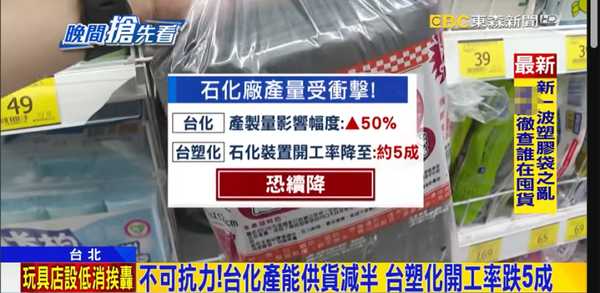
Image source: Zhuansu Vision
With the persistently high ethylene prices in Asia, the cost pressure on ethylene-based PVC is becoming increasingly evident. Coupled with the restriction of over 3 million tons of PVC production capacity by Formosa Plastics, the expectation of a tight supply in the Asian market continues to rise. There is a widespread concern that once Formosa Plastics resumes its quotations, the increase will far exceed previous levels, thereby driving the overall shift of the Asian PVC market upwards. Meanwhile, the domestic PVC futures market is weakening, with cautious spot trading and a strong wait-and-see sentiment.
Market Outlook Alert: Geopolitical Uncertainty Persists—When Will High Volatility in Plastics Markets Subside?
【Copyright and Disclaimer】This article is the property of PlastMatch. For business cooperation, media interviews, article reprints, or suggestions, please call the PlastMatch customer service hotline at +86-18030158354 or via email at service@zhuansushijie.com. The information and data provided by PlastMatch are for reference only and do not constitute direct advice for client decision-making. Any decisions made by clients based on such information and data, and all resulting direct or indirect losses and legal consequences, shall be borne by the clients themselves and are unrelated to PlastMatch. Unauthorized reprinting is strictly prohibited.
Most Popular
-
Middle East Tensions Escalate Again? U.S.-Iran Talks Collapse Before Starting, Crude Oil Volatility and Plastic Futures Retreat, Plastics Market Faces New Test
-

BASF Delivers First Batch of Innovative Cathode Materials for Semi-Solid-State Batteries to Weilan New Energy
-
Saudi Core Petrochemical Zone Hit! Trump Issues "Final Deadline" Threat to Iran! Over 5 Million Tons of Production Capacity Halted in April
-

Vimar Launches Linea Switch Range Using Envalior Recycled Material, Cutting Carbon Footprint by Over 80%
-

[Overseas News]Sumitomo chemical to acquire prime polymer; japan’s q1 electric vehicle sales surge; global energy faces “black april”